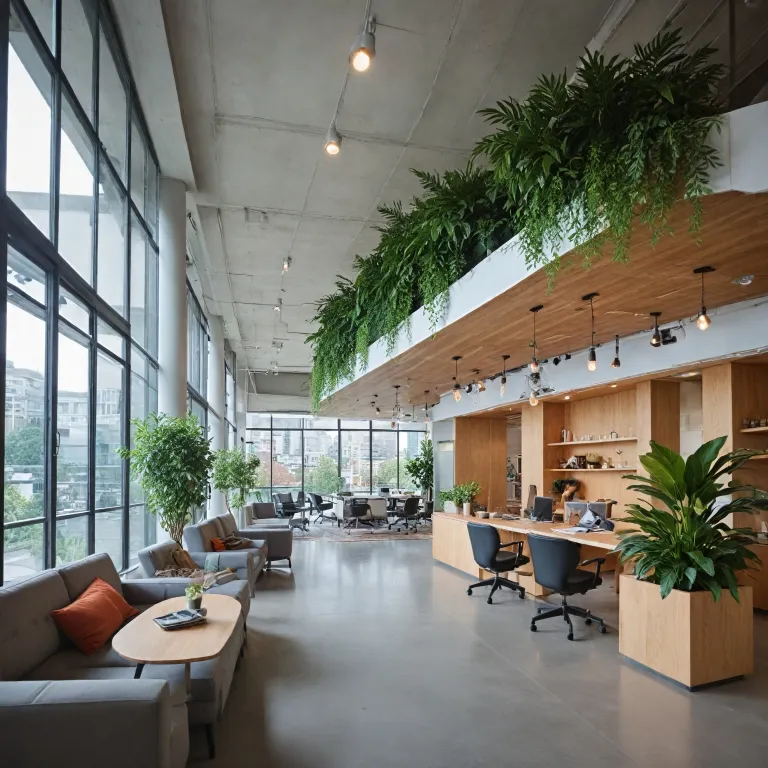
HQ development Vancouver WA hotel room as a mixed use catalyst
The HQ development in Vancouver Washington positions the hotel room as a strategic hinge between residential, commercial, and light industrial programs. Within this 99 acre site, the hospitality component is not an isolated object but a calibrated instrument that connects buildings, streets, and public spaces. For architects and designers, the hq development vancouver wa hotel room becomes a prototype for future proof guest experiences.
The master plan orchestrates 1 950 multifamily units, a 120 room hotel, extensive commercial retail, and 331 934 square feet of office light industrial space into a coherent urban center. This development Vancouver vision relies on a phased construction strategy that allows the hotel and hotels cluster to respond to evolving market data and hospitality demand from the Portland area. Hurley Development, as lead developer, uses Smart City tools to align construction sequencing, FF&E procurement, and long term asset performance.
Context is critical because the city Vancouver is shifting from a peripheral market to a primary destination within the wider Portland metropolitan area. The vancouver waterfront and proximity to the Columbia River reinforce the site as a gateway between urban living, leisure, and regional mobility. For investors and asset managers, the hq development vancouver wa hotel room typology must therefore serve both transient guests and future residents employees of the mixed use campus.
Within this framework, the hotel and suites program is designed to complement residential buildings and single family lots in adjacent neighborhoods. The room hotel inventory must flex between short stay and extended stay expectations, especially as residents and residents employees use hospitality spaces for meetings and social events. This duality pushes FF&E and layout decisions beyond conventional brand standards.
Designing hotel rooms for a mixed residential and commercial ecosystem
In HQ Vancouver, the hotel room is conceived as an adaptive node within a dense mixed use area rather than a sealed hospitality box. The adjacency of multifamily buildings, family lots, and potential single family clusters requires acoustic, privacy, and façade strategies that respect both guests and permanent residents. Designers must calibrate glazing, shading, and balcony details to mediate between active streets and quiet interior spaces.
The presence of significant commercial retail and office light industrial space on the site changes how suites and standard rooms are programmed. Daytime demand from residents employees and visiting teams from the Portland area encourages flexible room hotel layouts that support work, small meetings, and informal collaboration. At night, the same hq development vancouver wa hotel room must revert to a restorative environment with carefully tuned lighting, materiality, and acoustic separation.
For FF&E suppliers, this dual use scenario requires robust yet refined specifications that can withstand higher utilisation without sacrificing brand positioning. Casegoods, seating, and task lighting must align with the selected hotel brand while remaining neutral enough to integrate with future repositioning or a potential hotel indigo flag. In this context, the hotel indigo design language of locally rooted storytelling and layered textures offers a relevant benchmark for Vancouver Washington.
Asset managers will also look at precedents where hospitality has been integrated into complex urban regeneration schemes. A useful reference is the detailed analysis of adaptive reuse and FF&E transformation in this article on transforming historic icons for modern hospitality. While HQ Vancouver is new construction, the same principles of lifecycle thinking, flexible planning, and long term maintenance strategies apply to every hq development vancouver wa hotel room and its public spaces.
Urban integration, mobility, and the role of the hotel ground plane
The ground floor of the HQ Vancouver hotel is where hospitality, retail, and public realm intersect most intensely. Facing the wider urban center and internal streets, this level must choreograph flows between guests, residents, and visitors from the Portland area. The design of lobbies, cafés, and co working spaces will determine whether the hotel becomes a civic living room or remains an inward looking enclave.
Given the scale of commercial retail and office light industrial components, the hotel lobby and adjacent spaces can function as a mobility hub. Proximity to the vancouver waterfront and the Columbia River suggests opportunities for active travel connections, micro mobility docking, and shuttle interfaces serving the broader city Vancouver network. Each hq development vancouver wa hotel room then benefits from a narrative of connected urban living rather than isolated overnight stays.
For architects, the façade strategy at the podium level must reconcile brand visibility with urban continuity. Signage, canopies, and lighting should express the chosen hotel brand or a potential hotel indigo identity without fragmenting the streetscape. Transparent ground floor treatment can visually link interior hospitality spaces with external plazas, enhancing safety and wayfinding for residents employees and visitors.
Above the podium, the massing of the hotel and adjacent residential buildings must respect view corridors toward the Columbia River and the wider Portland area skyline. Balancing density with daylight access is essential for both suites and standard rooms, especially in a climate where natural light strongly influences guest satisfaction. This is where the master plan becomes a critical tool for aligning long term development phasing with immediate hospitality performance.
FF&E strategy for long term value in HQ Vancouver hotel rooms
In a large scale mixed use development Vancouver project, FF&E decisions for the hotel carry implications far beyond initial fit out. The hq development vancouver wa hotel room must be specified for durability, adaptability, and brand evolution over multiple refurbishment cycles. Asset managers will scrutinise replacement intervals, maintenance regimes, and residual values from the earliest design stages.
Hurley Development and its design équipe can leverage Smart City data and community engagement feedback to refine FF&E selections. For example, occupancy patterns from residents employees using hospitality spaces for co working may justify more resilient work surfaces and ergonomic seating in suites. Similarly, insights from commercial retail tenants and office light industrial users can inform storage, minibar, and small kitchen configurations for long term stay guests.
Suppliers should anticipate that the hotel and hotels within HQ Vancouver will operate within a competitive Portland area market. Aligning with a distinctive brand such as hotel indigo could support storytelling through locally sourced materials, art, and textiles that reference the Columbia River and vancouver waterfront. However, these narrative elements must be balanced with modular components that can be reconfigured as the urban center matures.
For technical directors and bureaux d’études, the interface between FF&E and building systems is another priority. Integrated headboards, lighting controls, and HVAC interfaces in every hq development vancouver wa hotel room should be designed for easy access and future technology upgrades. Lessons from complex adaptive reuse projects, such as those analysed in this piece on adaptive reuse design innovation and FF&E transformation, can inform detailing even in new construction.
Balancing residential expectations and hospitality performance
The coexistence of multifamily buildings, family lots, and potential single family homes around HQ Vancouver creates a nuanced context for hospitality operations. Noise, traffic, and light spill from the hotel and commercial retail must be carefully managed to maintain neighbourhood quality. This requires coordinated planning between Hurley Development, the city Vancouver authorities, and design teams.
From a guest perspective, the proximity to the vancouver waterfront, the Columbia River, and the wider Portland area is a strong value proposition. Yet the hq development vancouver wa hotel room must also feel anchored in a calm, residentially scaled environment. Layered acoustic insulation, thoughtful corridor planning, and controlled service routes can protect both guests and residents from operational disturbance.
For investors, the mixed use nature of the site supports diversified revenue streams across hospitality, residential, and commercial segments. The urban center framework, with its office light industrial and commercial retail components, can stabilise demand for suites and meeting spaces throughout the week. Over the long term, this integration may reduce volatility compared with stand alone hotels in purely tourist driven locations.
“The HQ Vancouver project is a 99-acre mixed-use development in Vancouver, WA, featuring residential units, commercial spaces, a hotel, and a park.” This statement underlines why each room hotel must be designed as part of a broader ecosystem rather than a self contained product. For design teams, this means aligning interior concepts, FF&E palettes, and amenity programming with the evolving identity of the development Vancouver community.
Resilience, phasing, and the future of HQ Vancouver hospitality
The extended delivery timeline of HQ Vancouver demands a resilient approach to hotel design and construction. Phased infrastructure and building delivery mean that the hq development vancouver wa hotel room may open while other parts of the site are still under construction. Robust wayfinding, temporary landscape strategies, and carefully managed access routes will be essential to protect guest perception during early phases.
For construction teams, coordinating hotel, residential, and commercial retail works on a live site requires precise logistics. The presence of office light industrial buildings and future family lots adds further complexity to traffic management and staging. Early integration of hospitality requirements into the master plan can reduce rework and protect programme and budget.
Looking ahead, the hotel and hotels within HQ Vancouver must be ready to respond to shifts in mobility, work patterns, and leisure behaviour across the Portland area. Suites may need to accommodate hybrid work, wellness, and micro meeting functions as residents employees and external visitors change how they use spaces. Flexible partitioning, plug and play technology, and reconfigurable FF&E will support this evolution over the long term.
For asset managers and investors, the vancouver project offers a laboratory for testing new hospitality models within a mixed use urban center. The combination of the vancouver waterfront setting, proximity to the Columbia River, and integration with residential buildings and single family contexts is rare. If the hq development vancouver wa hotel room succeeds as a versatile, resilient, and contextually rooted product, it may set a benchmark for future development Vancouver initiatives across the region.
Key quantitative insights for HQ Vancouver mixed use development
- Total project area for HQ Vancouver mixed use development is 99 acres, integrating hospitality, residential, and commercial functions.
- The master plan includes 1 950 multifamily dwelling units that will interact closely with hotel guests and hospitality amenities.
- Office and light industrial space totals 331 934 square feet, supporting residents employees and business visitors.
- Non office commercial space, including commercial retail and services, reaches 350 765 square feet within the urban center.
- The hospitality component is planned for 120 rooms, shaping the hq development vancouver wa hotel room strategy.
- A 6.5 acre park anchors the public realm, enhancing the value of surrounding buildings and hotel spaces.
Key questions about HQ Vancouver hospitality and design
What is the HQ Vancouver project and why does it matter for hotel design ?
The HQ Vancouver initiative is a large scale mixed use development in Vancouver Washington that combines residential, commercial, office light industrial, and hospitality programs on a single site. For hotel designers, this context means that every hq development vancouver wa hotel room must respond to both transient guests and long term community needs. The project therefore becomes a reference point for integrating hotels into emerging urban centers.
How does Hurley Development influence the hospitality strategy at HQ Vancouver ?
Hurley Development leads the overall vancouver project and coordinates the master plan, phasing, and stakeholder engagement. Its role ensures that the hotel, commercial retail, and residential buildings are aligned in terms of infrastructure, public realm, and long term value creation. This integrated approach allows the hq development vancouver wa hotel room concept to evolve alongside market demand and community feedback.
What makes the HQ Vancouver site particularly attractive for a hotel brand ?
The site benefits from proximity to the vancouver waterfront, the Columbia River, and the wider Portland area, creating strong leisure and business demand drivers. The mix of multifamily units, residents employees, and visitors to commercial and light industrial spaces supports year round occupancy. These factors make the location compelling for established brands such as hotel indigo as well as other hotels targeting urban mixed use environments.
How will residents and hotel guests share amenities within the development ?
Shared spaces such as parks, plazas, and some hospitality venues will be used by both residents and hotel guests. Careful design of circulation, access control, and acoustic separation will allow the hq development vancouver wa hotel room and its associated amenities to feel exclusive yet connected. This balance can enhance community engagement while protecting the privacy and comfort expected in high quality hotels.
What are the long term implications of HQ Vancouver for regional hospitality markets ?
As the urban center matures, HQ Vancouver is likely to shift perception of Vancouver Washington from a secondary to a primary node within the Portland area hospitality network. The performance of the hotel and hotels on this site will inform future development Vancouver strategies, particularly around mixed use integration and FF&E resilience. For investors and designers, the project offers valuable data on how hotel rooms perform within a complex, multi decade master plan.