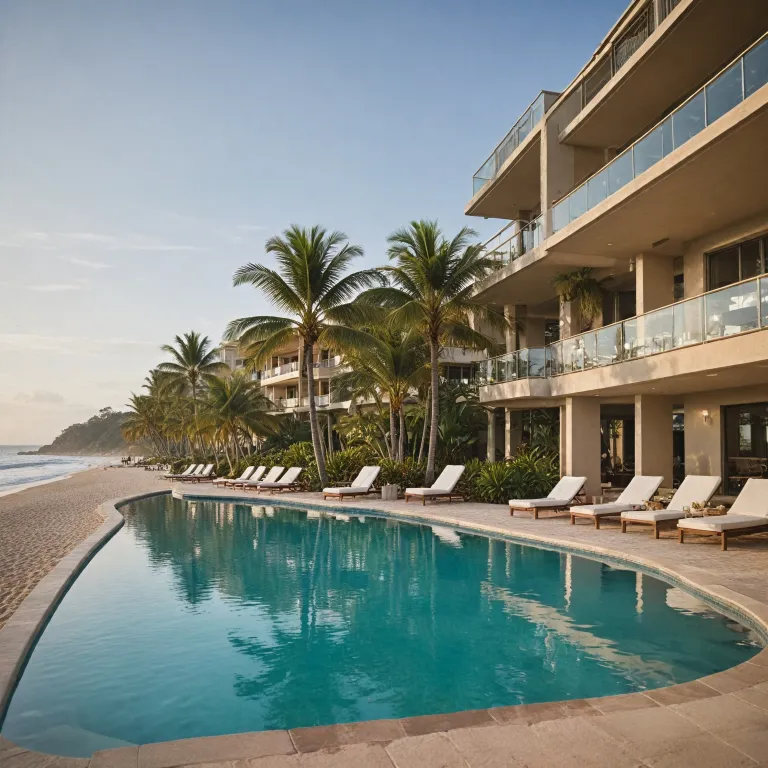
Preserving heritage and embracing innovation in beach hotel renovation
Beach hotel renovation case studies reveal the delicate balance between preserving historic character and integrating contemporary design. Projects along the pacific and in cities like miami and laguna beach demonstrate how hotel owners and asset managers collaborate with architects and designers to respect local heritage while upgrading amenities. The restoration of the Seagull Hotel in miami beach, led by Bulgari and Blue Horizon Group, exemplifies how a historic property can be transformed into a modern hotel property that still reflects the city’s unique coastal identity.
In these renovation projects, the use of advanced building systems, such as 3D laser scanning and Building Information Modeling (BIM), ensures that every aspect of the hotel renovation is meticulously planned. Existing Conditions provided precise as-built documentation for The Colony Hotel in palm beach, allowing for accurate design and cost management. These tools help address structural challenges often encountered in coastal environments, such as humidity and salt exposure, which can impact both guest rooms and public spaces.
Preserving historic elements is a priority, especially for properties that have welcomed luminaries and played a significant role in the local community. The integration of sustainable materials and energy-efficient systems is now standard in beach hotel renovation projects, supporting both environmental goals and operational cost savings. This approach not only enhances the guest experience but also ensures the long-term viability of the hotel offers in a competitive real estate market.
Innovative design and FF&E strategies for coastal hotels
Interior design and FF&E (furniture, fixtures, and equipment) selection are central to the success of any beach hotel renovation. Designers like Sarah Chen of Chen Studio Interiors have led projects such as the bathroom renovation at The Oceanfront Palms in miami beach, where the focus was on blending luxury with durability. The choice of materials and finishes must withstand the rigors of a coastal environment while delivering a refined aesthetic that appeals to both leisure and business travelers.
FF&E suppliers and design teams work closely to ensure that rooms suites, food beverage areas, and spa facilities reflect the latest trends in hospitality design. For example, Kurland GmbH’s involvement in the Marienlyst Beach Hotel spa renovation in Denmark brought specialized spa equipment and innovative wellness concepts to the property. This not only elevated the guest experience but also created new commercial real opportunities for the hotel property.
Cost management remains a critical concern in every renovation project. By leveraging BIM and 3D scanning, project teams can accurately estimate renovation project costs and identify potential savings. Asset managers and investors are increasingly interested in case studies that demonstrate how design innovation can drive both guest satisfaction and financial performance. For more on FF&E procurement and project delivery, see hospitality FF&E strategies.
Project management and financing models in beach hotel renovations
Effective project management is essential for delivering successful beach hotel renovation projects on time and within budget. Firms like Rider Levett Bucknall (RLB) have managed complex renovations such as the Hilton Garden Inn Waikiki Beach, where coordination among stakeholders was key to overcoming challenges posed by the local land and coastal conditions. The use of innovative financing structures, including construction loans, C-PACE financing, and historic tax credits, has enabled hotel owners to undertake large-scale renovation projects without compromising on quality or scope.
CastleGreen Finance’s involvement in the Fairmont Breakers Long Beach renovation illustrates how creative funding solutions can unlock new opportunities for hotel renovation. These models are particularly relevant in high-value markets like beach california and laguna beach, where real estate costs and regulatory requirements can be significant. Asset managers and investors closely analyze case studies to identify best practices in project delivery and risk mitigation.
Transparency and compliance with privacy policy and cookie policy requirements are increasingly important in the digital age. Project teams must ensure that all data related to the renovation project, from guest preferences to building systems specifications, is managed securely. For a deeper dive into project management frameworks for hospitality renovations, visit hotel project management best practices.
Integrating technology and sustainability in coastal hotel projects
Technology plays a transformative role in modern beach hotel renovation case studies. The adoption of 3D laser scanning and BIM allows for precise planning and execution, reducing errors and minimizing costly delays. As Advenser demonstrated in their structural model updates for a US beach hotel, these digital tools are invaluable for both new construction and the restoration of historic properties.
Sustainability is now a core objective in every renovation project. Hotels are integrating energy-efficient systems, water-saving fixtures, and eco-friendly materials into their design and construction processes. This not only reduces operational costs but also aligns with the expectations of environmentally conscious guests and the broader community. The Marienlyst Beach Hotel spa renovation, which spanned two years, is a prime example of how sustainability and wellness can be seamlessly combined in a coastal setting.
Local regulations and community engagement are critical factors in the success of beach hotel renovation projects. By working closely with city officials and local stakeholders, project teams can ensure that their designs respect the unique character of the land and contribute positively to the local economy.
Guest experience and operational excellence in renovated beach hotels
Enhancing the guest experience is a primary goal of every beach hotel renovation. Upgraded guest rooms, suites, and public areas are designed to provide comfort, functionality, and a sense of place that reflects the hotel’s coastal location. Renovated properties like The Don CeSar and The Colony Hotel have successfully combined historic charm with modern amenities, resulting in increased guest satisfaction and positive news coverage.
Food beverage offerings are also a focal point in many renovation projects. By reimagining dining spaces and menus, hotels can attract both local residents and visitors, strengthening their position within the community. The integration of advanced building systems ensures that operations run smoothly, from energy management to guest services, further enhancing the overall experience.
Hotel offers such as special packages or behind-the-scenes tours of the renovation process can generate additional interest and revenue. As one expert noted, “Renovations can lead to temporary closures or reduced capacity but often result in increased guest satisfaction and revenue post-completion.” This underscores the long-term value of investing in thoughtful, well-executed renovation projects.
Lessons learned and future opportunities in beach hotel renovation
Each beach hotel renovation project provides valuable lessons for architects, designers, asset managers, and investors. Common challenges include managing costs, addressing environmental factors, and balancing modernization with the preservation of historic elements. As one industry expert stated, “Common challenges include addressing structural issues due to environmental factors, preserving historical elements, and managing project costs.”
Collaboration among stakeholders is essential for identifying and capitalizing on new opportunities read in the market. The use of technology, innovative financing, and sustainable design practices has set new standards for the industry. “Hotels often collaborate with architects and historians to integrate modern amenities while maintaining or restoring historical features,” another expert observed, highlighting the importance of interdisciplinary teamwork.
Looking ahead, the demand for high-quality, sustainable, and guest-centric beach hotel renovation projects will continue to grow. Asset managers and investors are encouraged to study case studies from beach california, miami, and other leading markets to inform their strategies and identify emerging trends in hotel property development.
Key statistics from recent beach hotel renovation projects
- Hilton Garden Inn Waikiki Beach renovation cost: 115 million USD
- The Oceanfront Palms bathroom renovation cost: 2.4 million USD
- Marienlyst Beach Hotel spa renovation duration: 2 years
Frequently asked questions about beach hotel renovation case studies
What are common challenges in beach hotel renovations?
Common challenges include addressing structural issues due to environmental factors, preserving historical elements, and managing project costs.
How do hotels balance modernization with historical preservation?
Hotels often collaborate with architects and historians to integrate modern amenities while maintaining or restoring historical features.
What role does technology play in hotel renovations?
Technology like 3D laser scanning and BIM aids in accurate planning, design, and execution of renovation projects.
How do hotels finance large-scale renovations?
Hotels may use a combination of construction loans, C-PACE financing, historic tax credits, and other innovative financing structures.
What impact do renovations have on hotel operations?
Renovations can lead to temporary closures or reduced capacity but often result in increased guest satisfaction and revenue post-completion.
References: Rider Levett Bucknall, Kurland GmbH, Chen Studio Interiors