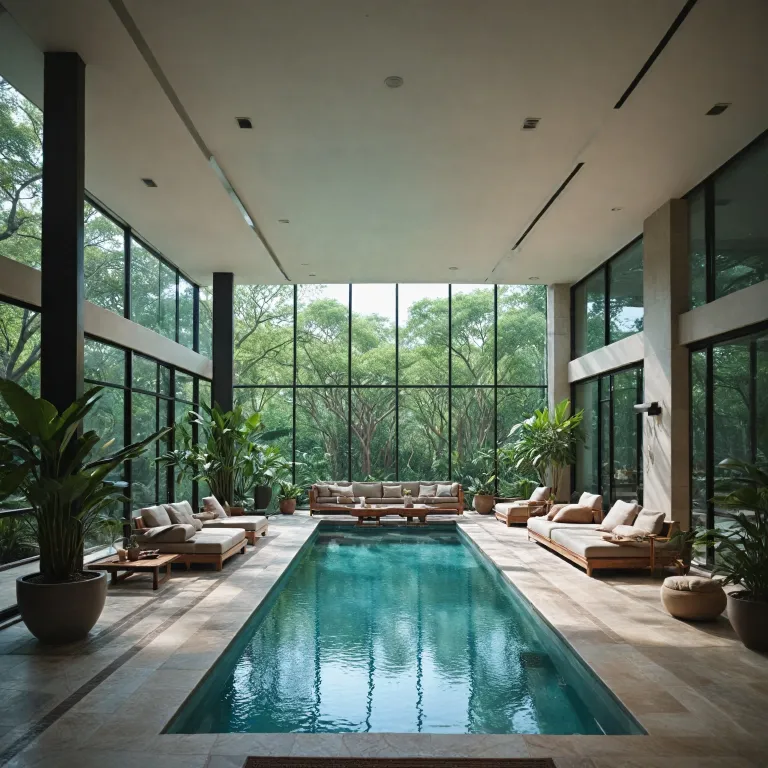
Redefining wellness: The evolution of luxury spa hotel architecture
Luxury spa hotel architecture has undergone a profound transformation, blending tradition with modern innovation to create immersive wellness experiences. Architects and designers now prioritize biophilic design, integrating natural materials and abundant daylight to foster a strong connection between guests and their surroundings. This approach enhances the spa experience, with living walls, water features, and panoramic views that invite tranquility and relaxation. The integration of local culture and art into hotel architecture ensures each project resonates with authenticity. Design studios collaborate closely with wellness consultants to craft spaces that reflect regional heritage while meeting the highest standards of luxury. The result is a harmonious balance between resort architecture and interior design, where every floor plan is meticulously developed to optimize guest flow and maximize the impact of spa interiors. Sustainability is at the core of modern luxury spa hotel architecture. Eco friendly materials, energy-efficient systems, and water-saving technologies are now standard in both new builds and renovations. This commitment to green practices not only reduces environmental impact but also appeals to the growing number of guests seeking wellness retreats that align with their values. The best spa hotels demonstrate that luxury and sustainability can coexist, setting new benchmarks for the industry.Designing for wellness: Integrating spa, pool, and water elements
The synergy between spa design and water features is central to the luxury spa hotel experience. Pools, hot springs, and hydrotherapy zones are seamlessly incorporated into the architecture, offering guests a diverse range of wellness options. Design studios focus on creating fluid transitions between indoor and outdoor spaces, enhancing the sense of openness and connection to nature. Interior design plays a pivotal role in shaping the ambiance of spa spaces. Materials such as stone, wood, and glass are chosen for their tactile qualities and ability to evoke calm. Lighting design is carefully planned to support circadian rhythms, while acoustic treatments ensure a serene environment. The spa interior is further elevated by curated art and bespoke furnishings, reflecting the unique identity of each hotel spa. The floor plan of a luxury spa hotel is meticulously crafted to support privacy and relaxation. Separate zones for treatment rooms, relaxation lounges, and wellness studios are arranged to minimize noise and maximize comfort. This thoughtful approach extends to the design of resort spas and wellness resorts, where every detail contributes to a holistic guest experience. For more insights on integrating wellness into hospitality design, explore this comprehensive guide on wellness-focused hotel architecture.Innovative approaches: Technology and eco friendly solutions in spa hotel projects
Technological advancements are reshaping the landscape of luxury spa hotel architecture. AI-driven wellness recommendations, touchless controls, and smart lighting systems are now integral to the modern spa experience. These innovations personalize guest journeys, allowing for tailored treatments and seamless service delivery. Sustainability remains a guiding principle in every project. Design studios are leveraging energy-efficient systems, sustainable building materials, and advanced water management solutions to reduce the environmental footprint of hotel spas. The adoption of eco friendly practices extends to the selection of spa products, cleaning protocols, and even the sourcing of local ingredients for wellness treatments. The integration of technology and sustainability is exemplified in leading wellness resorts and resort spas. For example, circadian lighting systems enhance sleep quality, while digital wellness platforms enable guests to customize their spa experience. The best spa hotels demonstrate that innovation and eco responsibility are not mutually exclusive. To learn more about sustainable practices in luxury hospitality, visit this resource on eco friendly hotel design.Spatial planning: Crafting immersive and functional spa interiors
Effective spatial planning is essential for delivering a memorable spa experience in luxury hotels. The architecture design process begins with a comprehensive analysis of guest needs, operational requirements, and site constraints. Design studios develop detailed floor plans that optimize circulation, privacy, and access to natural light. The arrangement of spa spaces is guided by principles of wellness and comfort. Treatment rooms are positioned to offer views of gardens or water features, while relaxation areas are oriented to capture the best natural light. The use of modular partitions and flexible layouts allows for adaptability, accommodating both individual and group wellness activities. Interior design elements such as color palettes, textures, and lighting are selected to evoke a sense of calm and luxury. The integration of water features, such as pools and hot springs, enhances the sensory experience and reinforces the connection to nature.Authenticity and cultural resonance in luxury spa hotel design
Authenticity is a defining characteristic of successful luxury spa hotel architecture. By incorporating local culture, art, and materials, architects and designers create spaces that resonate with guests on a deeper level. This approach not only enriches the guest experience but also supports the local community and economy. Design studios collaborate with regional artisans and cultural experts to ensure that every aspect of the hotel spa reflects its unique context. From handcrafted furnishings to site-specific artworks, these elements contribute to a sense of place and identity. The integration of traditional architectural motifs with modern amenities creates a dialogue between past and present, enhancing the overall resort architecture. The best spa hotels are those that celebrate their surroundings while offering world-class wellness experiences. Guests are drawn to spaces that feel both luxurious and authentic, where every detail tells a story. This commitment to cultural resonance sets leading wellness resorts and design spas apart in a competitive market.Case studies and future trends in luxury spa hotel architecture
Examining notable case studies reveals the impact of innovative design on guest satisfaction and market success. Properties such as Six Senses Milan and Taj Aravali Resort & Spa exemplify the fusion of modern amenities with traditional architecture, setting new standards for luxury spa hotel projects. These hotels demonstrate how thoughtful design can enhance wellness, sustainability, and guest experience. Emerging trends in luxury spa hotel architecture include the rise of wellness retreats, euphoria retreats, and holistic design approaches. Biophilic design, technological integration, and eco friendly practices are becoming industry benchmarks. As guest expectations evolve, architects and designers must continue to push the boundaries of creativity and innovation. The future of luxury spa hotel architecture lies in the seamless integration of wellness, sustainability, and cultural authenticity. By embracing these principles, the industry can deliver transformative experiences that exceed guest expectations and contribute to a healthier planet.Key statistics on luxury spa hotel architecture and wellness
- 70% of travelers are seeking wellness experiences in luxury spa hotels.
- There has been a 15% increase in luxury spa hotel openings from 2025 to 2026.
Frequently asked questions about luxury spa hotel architecture
What is biophilic design in luxury spa hotels?
Biophilic design involves incorporating natural elements like living walls, natural light, and organic materials into hotel architecture to create a connection with nature and enhance guest well-being.
How are luxury spa hotels integrating technology into their design?
Luxury spa hotels are integrating technology through AI-driven wellness recommendations, circadian lighting systems, and touchless controls to enhance guest comfort and personalize experiences.
Why is sustainability important in luxury spa hotel architecture?
Sustainability is crucial as it reduces environmental impact, meets the growing demand for eco-friendly travel options, and often results in cost savings through energy efficiency.
Can you provide examples of luxury spa hotels that embody these trends?
Examples include the Six Senses Milan, which integrates wellness with urban design, and the Taj Aravali Resort & Spa in Udaipur, which blends traditional Rajasthani architecture with modern amenities.
What role does local culture play in luxury spa hotel design?
Incorporating local culture ensures authenticity, enriches the guest experience, and supports the local community by showcasing regional art, materials, and design traditions.
- Luxury Travel Advisor
- Condé Nast Traveller Middle East
- Six Senses Official Website