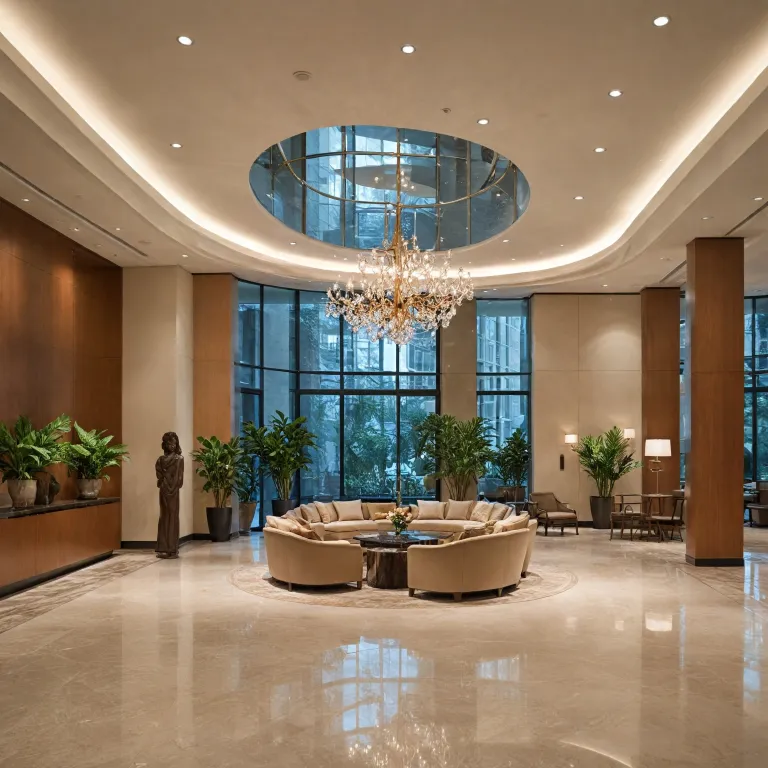
From industrial vault glass to hospitality design statement
Vault glass has moved from technical niche to hospitality signature. In hotels and resorts, a vault or glass vault is no longer just a secure envelope ; it becomes a transparent architectural shield that frames the guest view. When specified with care, this type of product balances safety, aesthetics and operational durability for demanding hospitality environments.
For architects and designers, the shift is similar to the evolution of the laboratory beaker into refined glass beaker collections for mixology bars. The same material logic applies when a water pipe or pipe straight element is reinterpreted as a sculptural balustrade in laminated glass straight assemblies. Each chosen product must respond to multiple variants of risk, maintenance and guest perception, not only to formal intent.
VaultCreation Co., Ltd. illustrates this convergence with its V-glass lens cover, which prevents condensation and electromagnetic interference in a single shield. In their own words, "'V-glass' is a lens cover developed by VaultCreation Co., Ltd. that prevents condensation and electromagnetic interference." This innovation shows how a technical glass vault can protect sensitive equipment while preserving a crystal clear quick view for surveillance, façade cameras or pool deck monitoring.
For asset managers, such multifunctional vault glass solutions reduce the number of separate product multiple layers needed in façades or FF&E packages. Fewer components mean fewer options product interfaces to fail, and a more robust phase of operation over the asset life cycle. In renovation, this approach allows teams to select options that upgrade performance without altering the architectural language guests already value.
Designing guest facing spaces with structural vault glass
In public areas, vault glass can define thresholds, from lobby to rooftop pool, while maintaining a generous view. When used as a structural glass straight balustrade, it acts as a shield without visual heaviness, especially where water features or straight water edges are part of the concept. Designers can specify multiple variants of interlayers, colors and coatings to tune privacy, reflection and solar control.
Rooftop pools in dense cities often rely on vault or glass vault assemblies to secure perimeters without blocking skyline vistas. In such spaces, the interface between water and glass becomes a critical product multiple detail, particularly where a water pipe or pipe straight overflow channel runs behind the glazing. Case studies of elevated hospitality in urban resorts with rooftop pools show how carefully detailed vault glass can transform a technical safety requirement into a memorable guest experience ; see this analysis of Denver hotels with rooftop pools as urban resorts in the sky.
Technical directors must also consider bowl height and catcher bowl geometries when integrating glass beaker style luminaires or water features near vault glass partitions. Splash patterns, pipe ice loads and ice catcher elements can affect slip risk and long term clarity of the glass surface. Coordinating these options chosen early with MEP and lighting consultants avoids late phase compromises that undermine both safety and design intent.
For FF&E suppliers, the challenge is to align the aesthetics of loose glass, from beaker inspired barware to sculptural bowl pieces, with the architectural language of the vault glass envelope. Consistency in colors, finishes and reflection levels across product lines supports a coherent narrative. This coherence strengthens brand positioning and simplifies the quick view evaluation process for investors comparing multiple options product proposals.
Integrating technical shielding and optics into hospitality vault glass
Beyond structure and safety, vault glass increasingly hosts technical functions that matter for contemporary hotels. Camera housings, sensors and communication devices often sit behind a glass vault or lens cover, where condensation and electromagnetic interference can degrade performance. Here, the V-glass solution from VaultCreation Co., Ltd. offers a relevant benchmark for hospitality projects that rely on discreet yet reliable surveillance.
In properties with extensive spa, pool or water features, humidity and temperature shifts can cause fogging on standard glass. When a lens or small vault is used to protect cameras monitoring a straight water edge or a pipe ice feed to a feature wall, visibility becomes a security issue. Multifunctional vault glass that combines shielding and anti condensation performance reduces maintenance interventions and ensures a constant quick view for staff.
Design teams should treat these technical components as part of the overall options product matrix, not as afterthoughts. During concept phase, architects can map where each chosen product that includes optics, from façade cameras to interactive displays, will spawn in the plan. This allows them to select options such as V-glass based shields, glass straight covers or pipe straight housings that align with the interior design language and guest sightlines.
Open concept public spaces, which are increasingly common in lifestyle hotels, intensify these requirements. When a lobby, bar and co working area share a continuous view, any visible vault glass or lens cover must be both technically robust and visually discreet ; insights on the impact of open concept designs in modern hotels highlight how transparency and control coexist. For asset managers, specifying such integrated products supports long term ROI by reducing the need for later retrofits of shielding or anti fogging solutions.
Guest rooms, privacy and the choreography of glass options
In guest rooms, vault glass is less about overt security and more about layered privacy and acoustic comfort. A glass vault can appear as a shower enclosure, a balcony balustrade or a partition that separates sleeping and bathing zones while preserving a sense of volume. Each of these applications requires a different balance of transparency, reflection and sound control, which must be addressed through options chosen at specification stage.
For example, a bathroom with a straight water cascade feature may use glass straight panels with integrated pipe straight channels and an ice catcher detail to manage splashes. The bowl height of basins, the catcher bowl geometry and the proximity of a water pipe to the glazing all influence cleaning regimes and long term clarity. Designers should treat these as product multiple parameters, aligning them with guest expectations for both intimacy and spectacle.
Digital configuration tools can help teams manage multiple variants of room types, each with its own vault glass package. When a hotel offers suites, corner rooms and standard keys, the vault, beaker style accessories and glass beaker amenities may vary, but the underlying performance criteria should remain consistent. Using select options workflows, project teams can ensure that every options product combination respects acoustic, safety and maintenance thresholds defined during the early phase.
From a commercial perspective, investors appreciate when the same family of vault glass products can serve several room typologies. This reduces stock complexity for spare parts and simplifies the cart of approved suppliers. It also allows operators to maintain a coherent aesthetic even as they will spawn new room categories or rebrand floors over time, without re opening the entire variants options negotiation with manufacturers.
Renovation strategies and phasing with vault glass systems
Renovation projects pose specific challenges when introducing or upgrading vault glass. Existing structures may not have been designed to carry the additional weight or stiffness of a new glass vault, especially when combined with integrated water features or pipe ice systems. Structural engineers and bureaux d’études must therefore evaluate each phase of intervention, ensuring that new loads and fixings respect the original building fabric.
Phased renovation often requires temporary shields or interim vault solutions to maintain operations. In such cases, modular vault glass panels with quick view access for maintenance can be installed, then reconfigured as the project advances. This approach allows the hotel to keep key revenue generating spaces open while the team completes more intrusive works behind the scenes.
For FF&E and OS&E packages, renovation is an opportunity to rationalise product multiple lines and align them with contemporary standards. Teams can review existing beaker collections, glass beaker barware, bowl assortments and pipe straight decorative elements, then select options that harmonise with the new architectural glass straight language. Articles on elevated boutique hotel renovation show how coherent material palettes, including vault glass, support repositioning strategies.
Asset managers should also anticipate how new vault glass systems will spawn future maintenance tasks and replacement cycles. Clear documentation of options chosen, from bowl height to ice catcher details and variants options for coatings, helps technical teams manage the building over time. When renovation contracts specify that suppliers will provide consistent product support for multiple variants, owners reduce lifecycle risk and protect the long term value of their investment.
Procurement, specification and collaboration around vault glass
Effective use of vault glass in hospitality relies on close collaboration between architects, designers, technical directors and suppliers. Early in the project, the team should define performance criteria for each vault or glass vault application, from structural balustrades to technical shields for optics. These criteria then guide the selection of each chosen product and the evaluation of options product proposals from manufacturers.
Digital specification platforms increasingly allow stakeholders to configure product multiple combinations and compare multiple variants side by side. A quick view interface can show how different colors, coatings or bowl height options affect both aesthetics and performance. When teams can select options in real time, they make better informed trade offs between cost, durability and guest experience.
For complex properties, it is useful to map where each type of vault glass will spawn in the building, from public areas to back of house. This spatial overview clarifies which zones require higher impact resistance, which need enhanced acoustic control, and where technical shielding like V-glass is appropriate. It also helps procurement teams structure their cart of items, grouping similar variants options to leverage volume pricing.
Suppliers who can provide integrated families of vault glass, glass straight panels, pipe straight components, ice catcher details and compatible beaker or bowl accessories offer clear advantages. They simplify coordination, reduce interface risks and support consistent quality across the project. For investors and asset managers, working with such partners strengthens confidence that the options chosen today will remain supportable and adaptable as the property evolves.
Key quantitative insights on advanced glass and shielding
- Ryoden, a key partner in advanced electronic and optical components, reports annual sales of approximately 1.9 billion USD, underlining the scale of investment flowing into technologies that intersect with hospitality grade vault glass.
- The integration of electromagnetic shielding and condensation control into single glass products, as demonstrated by V-glass, reflects a broader market trend toward multifunctional components that can reduce the number of separate layers in façades and technical enclosures.
- Growing demand for advanced shielding solutions in defense, safety and optical industries is accelerating innovation that can be transferred into hospitality applications, from surveillance systems to guest facing interactive displays protected by vault glass.
Frequently asked questions about vault glass in hospitality projects
What is 'V-glass' and why is it relevant for hotels ?
'V-glass' is a lens cover developed by VaultCreation Co., Ltd. that prevents condensation and electromagnetic interference. For hotels, this type of vault glass is relevant wherever cameras, sensors or communication devices sit behind glazing in humid or high interference environments. It helps maintain clear visibility and reliable operation without adding visually intrusive housings.
Who is Ryoden and how does it relate to vault glass ?
Ryoden is a Japanese company with annual sales of $1.9 billion, specializing in semiconductor and electronic products. Its role as an international partner for technologies like V-glass illustrates how hospitality projects increasingly depend on components originating in high tech sectors. When specifying vault glass that protects electronics, understanding such supply chains helps assess reliability and long term support.
Which industries beyond hospitality influence vault glass innovation ?
Industries such as defense, safety and optics can benefit from 'V-glass' due to its enhanced visibility features. These sectors drive stringent requirements for shielding, clarity and durability that often exceed typical hospitality standards. As a result, solutions proven in those contexts can offer hotels robust performance with a comfortable safety margin.
How does electromagnetic shielding intersect with guest experience ?
Electromagnetic shielding within vault glass protects sensitive equipment from interference, ensuring stable operation of cameras, access control and communication systems. When these systems function reliably, guests experience smoother check in, safer public spaces and more responsive services. Integrating shielding discreetly into glass elements also preserves the clean lines and transparency valued in contemporary hotel design.
Why should design teams address condensation in glass protected devices ?
Condensation on lenses or behind vault glass can quickly degrade image quality and sensor performance, especially in spa, pool or coastal environments. If left unaddressed, this leads to blurred surveillance footage, false alarms or frequent maintenance interventions. By specifying products like V-glass that manage condensation, design teams protect both operational efficiency and the integrity of the guest environment.