
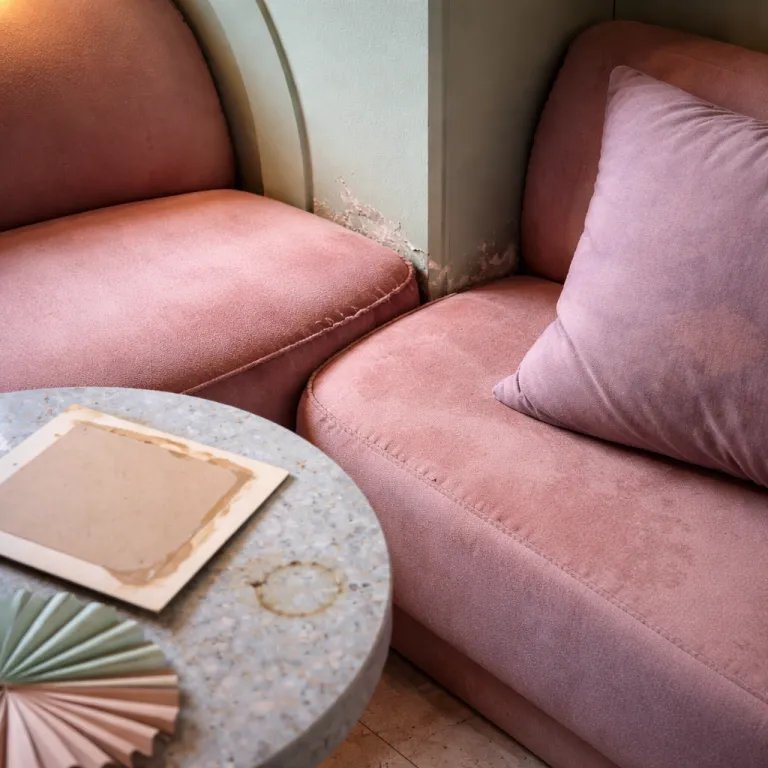
Instagram hotel design guest experience: when the camera becomes the brief
Walk into any new luxury hotel lobby and you can usually spot the instagram hotel moment before you reach the front desk. The instagram hotel aesthetic is now a design brief in itself, driven by social media teams that want guests to share experiences instantly and feed a constant stream of branded content. A hotel that leans too hard into this instagram hotel logic often forgets that the guest will sleep in the room long after the photo is posted.
Architects and interior design studios are being asked to create instagrammable spaces that perform first on social media and only second in real life. The instagram hotel trend pushes for bold ideas, theatrical art installations and interactive installations that generate photo opportunities every few metres. Yet the same instagram hotel projects are frequently the ones with the highest maintenance budgets and the shortest FF&E replacement cycles.
In hospitality development meetings, the phrase “Instagram hotel design guest experience” now appears in hotel marketing decks alongside RevPAR and GOPPAR. Marketing teams argue that instagram worthy content will drive social media reach, while asset managers quietly ask about the long term cost of those neon installations and reflective surfaces. The tension is clear: designing for the camera is not the same as designing for guests who expect acoustic comfort, durable materials and intuitive circulation.
According to a 2023 review of hospitality design briefs by a major global brand, “A hotel designed to be photogenic for social media.” is now the working definition of an Instagram first property. That single sentence captures the risk for hospitality investors who equate instagrammable spaces with guaranteed memorable experiences and ignore the operational data. Guest satisfaction scores in many markets correlate more strongly with bathroom quality, thermal comfort and noise control than with any instagram worthy lobby sculpture.
For design teams, the question is not whether to create instagrammable experiences but how to create instagrammable spaces that are structurally, acoustically and operationally sound. The most resilient hotel interior strategies treat social media as a by product of good architecture, not the driver of every decision. When the camera becomes the brief, the hotel interior becomes a stage set; when the guest remains the brief, the same spaces can still be visually powerful yet genuinely comfortable.
Material reality: the maintenance burden of instagrammable spaces
The maintenance story of the Instagram hotel starts with surfaces that look extraordinary in a photo and age badly in operation. Highly polished brass, mirror finished metals and pale stones are instagram worthy on opening day, but they collect fingerprints, stains and micro scratches that guests notice long before they notice the lighting concept. Housekeeping équipes end up cleaning for the camera every hour, not for the guest once per shift.
Designers who create instagrammable lobby experiences often specify white marble, high gloss lacquer and neon art installations without a full life cycle cost analysis. These materials are perfect for social media content and dramatic photo opportunities, yet they drive up both the cost of FF&E and the frequency of replacement. With average hotel construction cost per room around 350 000 USD globally and FF&E cost per square foot in luxury hotels near 55 USD, every premature replacement erodes ROI in a way that no viral post can offset.
Interactive installations and selfie walls introduce another layer of operational complexity for hospitality operators. Photo booths, projection mapping and kinetic art installations are excellent at generating social media engagement, but they also introduce moving parts, electronics and software that fail more often than a simple stone bench or timber wall. When these instagrammable installations sit in high traffic spaces, the downtime is visible, and guests quickly shift from sharing experiences to sharing complaints.
For asset managers, the question is whether these instagrammable spaces can sustain their aesthetic and technical performance over a 10 year cycle. Properties that design for camera first often face three year refresh cycles for lobby FF&E, compared with 8 to 10 years for more restrained, material led concepts. That difference in duration multiplies across hundreds of square metres of hotel interior and becomes a structural line item on the balance sheet, especially when embodied carbon and waste are factored in, as explored in this analysis of embodied carbon on the hotel balance sheet.
There is also a human cost when the instagram hotel aesthetic dictates every decision. Guests may enjoy the first impression of aesthetically pleasing, highly curated spaces, but they quickly notice when surfaces feel fragile, when doors do not close softly, or when acoustic separation is sacrificed for open plan photo backdrops. The Instagram hotel design guest experience then becomes a mismatch between what the photo promised and what the body actually feels in the room.
For riverfront, resort or nature adjacent properties, the smartest instagrammable ideas often come from amplifying natural beauty rather than importing fragile decorative layers. Projects that frame views, choreograph daylight and use robust local materials can still create instagram worthy content while keeping maintenance predictable. Case studies on elevating guest experiences through architectural and FF&E strategies show that when the landscape does the visual work, the interior design can focus on comfort, longevity and operational clarity.
Guest satisfaction data: when the instagram hotel fails the sleeper
Guest surveys across multiple brands consistently show that acoustic comfort, mattress quality and bathroom performance outrank lobby spectacle in satisfaction scores. Travellers may choose a hotel partly because of social media content, but they rate their stay based on sleep, shower and service. When the Instagram hotel design guest experience prioritises the lobby photo over the room envelope, the Net Promoter Score pays the price.
Designing for social media often means hard surfaces, double height volumes and open plan bars that bleed sound into reception and sometimes into guestroom corridors. These spaces are visually dramatic and highly instagrammable, yet they create a constant background noise that undermines perceived luxury and restfulness. Guests who came for instagram worthy moments end up writing about noise, queueing and lighting glare in their reviews, not about the art installations they photographed on arrival.
Bathroom design is another area where the instagram hotel can misfire. Open plan bathrooms, glass partitions and sculptural basins look extraordinary in a photo, but they often compromise privacy, storage and water containment. When guests share experiences online, they increasingly comment on water on the floor, lack of hooks and poor lighting at the mirror, which are all operational design failures rather than aesthetic ones.
For general managers and directions techniques, the operational data is clear: guest satisfaction scores correlate more strongly with acoustic performance, thermal stability and bathroom usability than with any single instagrammable feature. Properties that invest in robust partitions, quality glazing and well designed HVAC may not trend on social media, but they quietly outperform in repeat business and rate resilience. The Instagram hotel design guest experience must therefore be reframed as a hierarchy where comfort and function sit above the camera angle.
Marketing teams still need social media friendly content, yet that content can come from real life moments rather than staged sets. A breakfast room that functions as one of several instagrammable eateries, with natural light, local culture in the materials and efficient circulation, will generate organic photo opportunities without compromising operations. Detailed guidance on the five guest room details that decide satisfaction scores, such as outlined in this piece on guest room details and satisfaction, shows how small, invisible decisions often matter more than the big visual gestures.
For design teams, the challenge is to create instagrammable spaces that are also quiet, thermally comfortable and easy to clean. That means prioritising acoustic ceilings over exposed services when the bar sits under guestrooms, choosing textured plaster over mirror for selfie walls, and designing photo booths that do not block circulation. When these operational realities are integrated from concept stage, the Instagram hotel design guest experience can be both visually compelling and measurably satisfying.
From instagrammable gimmicks to embedded identity: a strategy for long term value
The most resilient response to the Instagram hotel phenomenon is not to reject social media, but to embed identity so deeply in the architecture and FF&E that every angle feels authentic. Travellers increasingly seek hospitality experiences that reflect local culture rather than copy paste luxury, and this shift aligns perfectly with a more grounded Instagram hotel design guest experience. When the building, the art and the operations all tell the same story, guests share experiences because they feel something, not because a sign told them to pose.
Art installations are evolving from framed pieces to sculptural walls, 3D applications and site specific works that double as wayfinding and acoustic treatment. These embedded installations can be both instagram worthy and operationally smart when they use durable materials, integrate lighting correctly and respect cleaning regimes. Interactive installations can also move beyond gimmicks by connecting to local culture, such as digital maps that highlight neighbourhood artisans or tactile walls that reference regional craft traditions.
For hotel marketing teams, the shift is from pushing staged content to curating what guests already post from genuinely unique spaces. A lobby café that operates as one of several instagrammable eateries, serving regional dishes on locally made ceramics, will naturally generate social media content. The same applies to terraces that frame natural beauty, courtyards that host cultural events and suites that use local textiles in a way that feels both luxurious and specific.
Architects and bureaux d’études can support this strategy by designing hotel interiors that balance photo opportunities with long term performance. That means specifying materials with a 10 year life, planning lighting that flatters both faces and finishes, and ensuring that selfie walls do not sit in front of fire exits. It also means aligning FF&E choices with the brand’s sustainability commitments, so that creating instagrammable moments does not translate into unnecessary waste and frequent replacement.
For investors and asset managers, the key is to evaluate Instagram hotel proposals not just on projected social media reach, but on total cost of ownership and guest satisfaction projections. Projects that integrate local culture, robust materials and thoughtful spatial planning tend to produce more memorable experiences and more stable financial results. When the Instagram hotel design guest experience is treated as an outcome of good design rather than the starting point, the property can be both camera ready and balance sheet ready.
Key figures behind the Instagram hotel design guest experience
- Average hotel construction cost per room is around 350 000 USD globally, which means every design decision that shortens the FF&E lifecycle has a significant impact on capital efficiency (source: 2023 global hotel construction benchmarking, STR / HVS Global Hospitality Services).
- FF&E cost per square foot in luxury hotels averages about 55 USD, so specifying fragile instagrammable finishes in large public spaces can add hundreds of thousands of dollars to initial fit out budgets (source: 2022 hospitality FF&E industry data, JLL Hotels & Hospitality and NEWH FF&E Cost Guide).
- Approximately 90 % of hotel construction and renovation projects exceed their initial budget, and design for camera features such as complex interactive installations and bespoke selfie walls are frequent contributors to overruns (source: 2021 analysis of hotel project performance, McKinsey Global Institute construction productivity review).
- Industry research shows that travellers increasingly prioritise authenticity and local culture over generic luxury, which supports a shift from superficial instagrammable gimmicks to embedded, place specific design strategies (source: 2022 hotel interior design trend review, American Society of Interior Designers and Global Wellness Institute).
- Studies of guest reviews indicate that satisfaction scores correlate more strongly with acoustic comfort, thermal stability and bathroom quality than with visual spectacle, highlighting the operational risk of an Instagram first design approach (source: aggregated hospitality review analytics across major booking platforms, 2020–2023, including STR, ReviewPro and internal brand dashboards).