Why HITEC now matters for architects and FF&E specifiers
For once, a HITEC 2026 hotel technology preview is directly relevant to the drawing board. The exhibit floor at the Henry B. Gonzalez Convention Center in San Antonio turns abstract hospitality technology into hardware, interfaces and management systems that will quietly dictate ceiling voids, riser sizes and door schedules. If hotel design teams stay away, IT and finance will lock in systems that shape guest experience and hotel operations for a decade before a single mock up room is built.
According to Hospitality Financial and Technology Professionals (HFTP), the HITEC organizer, recent editions have drawn several thousand attendees and hundreds of technology exhibitors, and the 2026 event is projected to be of similar scale. That concentration of hotel technology providers means architects and interior designers can benchmark solutions that impact both travel tourism demand and back of house operations in one location. The event sits at the intersection of the travel industry, the wider hospitality sector and the tech ecosystem, so property operators and hotel groups from North America, the Middle East, Saudi Arabia and Asia Pacific will walk the same aisles as FF&E suppliers and bureaux d’études. That mix turns the conference into a live lab where you can learn how management system choices upstream either unlock or constrain spatial concepts, material selections and acoustic strategies.
The official agenda frames HITEC as a hospitality technology conference, but the real value for design teams lies in the exhibit floor and corridor conversations. Every predictive HVAC sensor, access control reader and acoustic monitoring device on display will eventually sit in a ceiling, a door frame or a headboard that you specify. Treat this HITEC 2026 hotel technology preview as a design research sprint embedded inside a tech event, not as an IT conference you politely ignore.
Five technology categories that rewrite room and public space specifications
The first category to track in any HITEC 2026 hotel technology preview is predictive HVAC, because it changes how you size shafts, specify grilles and coordinate with façade design. Smart room systems that combine occupancy sensors, window contacts and real time weather data can cut energy use while maintaining thermal comfort, but they also require careful integration with ceilings, bulkheads and joinery. When you walk the HITEC aisles in San Antonio, ask vendors such as Honeywell, Schneider Electric or Verdant to show not just dashboards but the physical devices and mounting details that will live in your guestrooms and suites. For example, compare a wall mounted Honeywell Inncom thermostat with an in ceiling Verdant VX series sensor and note how each option affects wiring routes, back box locations and coordination with artwork or millwork panels.
Circadian lighting controls form the second critical category, and they go far beyond a decorative lighting package. Tunable white luminaires, control gateways and user interfaces now sit at the core of guest experience, especially for long haul travel segments and high value travel tourism markets in North America, the Middle East and Asia Pacific. Before you sign off on a lighting concept, you need to understand how these systems talk to the property management system, how scenes are triggered by guest data and how maintenance teams will manage replacements over the life of the property. A concrete example is pairing a Lutron myRoom control processor with linear LED cove fixtures: the control enclosure needs a ventilated cupboard, the DALI or 0–10V lines must be separated from power runs, and the guest keypad height and location influence both wall elevations and joinery reveals.
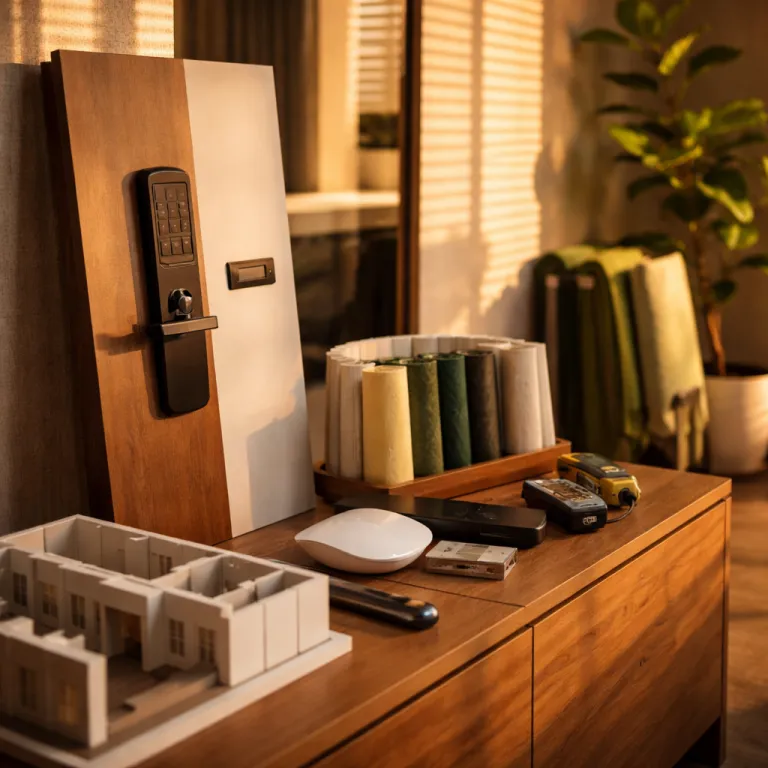
Third, keyless access hardware is no longer just a tech upgrade, it is a door and corridor design decision. Mobile keys, NFC readers and low profile locks affect door thickness, handle selection, fire rating details and the visual language of every guest room corridor. When you meet access control operators at the convention center in San Antonio, Texas, push them on how their management systems handle groups, late check out logic and integration with elevators, because those flows shape both vertical circulation design and security zoning. Looking at a SALTO XS4 or ASSA ABLOY VingCard reader in person, for instance, lets you confirm escutcheon dimensions, backset requirements and clearances to adjacent wall finishes so your door schedules and frame details remain coordinated.
The fourth category is acoustic monitoring, which is quietly moving from niche to mainstream in hospitality technology. Noise sensors that detect patterns rather than recording conversations can support party prevention in lifestyle hotel concepts, but they also raise questions about ceiling build ups, power provision and data governance. Design teams must align with legal, brand and management stakeholders on where such devices sit in the room, how they are communicated to the guest and how long the data will be retained. A ceiling mounted sensor like a NoiseAware or Minut unit, for example, may require a dedicated low voltage feed and a clear acoustic path through perforated panels or fabric ceilings, which in turn influences your choice of absorptive materials and access hatches.
Finally, energy metering and sub metering systems are becoming non negotiable for investors and asset managers focused on ESG reporting. Granular meters at floor, zone and sometimes room level influence riser layouts, plant room space and the specification of distribution boards, and they also feed the analytics platforms that operations teams use to fine tune performance. For a deeper view on how regional regulation and ownership structures shape these choices, benchmark them against the kind of market intelligence covered in California hospitality news shaping architecture, design and renovation strategies, then bring those questions to vendors at HITEC in San Antonio.
From AI hype to renovation budgets: what design teams should actually see
Every HITEC 2026 hotel technology preview will be saturated with AI language, but design teams need to separate spatially relevant machine learning from pure marketing noise. Predictive AI climate control, for example, directly affects HVAC zoning, façade performance assumptions and the comfort envelope you promise in a guest room, while generic chatbots barely touch the built environment. When you evaluate AI driven systems, ask how their algorithms use property data, travel patterns and guest profiles to inform real time decisions that change how spaces are used and serviced.
The E20X startup pitch competition, an HFTP program that has run alongside HITEC for several years, is where many of the most disruptive ideas for hotel operations and renovation economics will surface. Some early stage companies are working on AI tools that simulate guest flows through lobbies and F&B spaces, helping you test different layouts and FF&E configurations before committing to construction, which can materially shift renovation budgets in the following years. Others are building management systems that link energy, housekeeping and maintenance data into a single interface, allowing operators to close floors or wings dynamically and extend asset life without compromising guest experience.
Ownership structures and asset strategies matter when you translate these technologies into built form. A franchised select service hotel under a large umbrella, for instance, will approach property management and systems integration differently from an owner operated extended stay brand, as explored in this analysis of who owns Staybridge Suites and how ownership shapes architecture, design and FF&E strategies. When you walk HITEC with asset managers and investors, align on which management system capabilities justify capex in predictive maintenance, which hospitality technology platforms can be standardized across portfolios and where local regulations in Saudi Arabia or other Middle East markets may require different specifications.
AI also touches softer but commercially critical aspects of room design, such as sleep quality and personalization. Systems that adjust circadian lighting, temperature and even pillow recommendations based on guest profiles can turn a standard room into a high yield product, especially for long haul travel segments including travel for corporate events. For a design led perspective on how such micro decisions shape macro performance, compare what you see at HITEC with the detailed analysis of a pillow menu reshaping the architecture of restorative sleep in luxury hotels, then translate those insights into your next mock up room.
A three day, design led itinerary for navigating HITEC in San Antonio
To extract value from a HITEC 2026 hotel technology preview, design leaders need a disciplined plan for the large exhibit space reported by HFTP for recent editions. Start day one by mapping all vendors that touch room level systems, including predictive HVAC, lighting controls, access hardware and in room interfaces, then walk the floor with your MEP engineer and IT director as a single équipe. That cross functional group will surface conflicts between aesthetic intent, technical feasibility and management system requirements early, before they become costly RFIs on site.
On day two, shift focus to platforms that orchestrate data across the property, because these will quietly define how your spaces operate once guests arrive. Spend time with property management system providers, energy analytics platforms and housekeeping management systems, and ask them to walk you through a full guest journey from booking to check out, including travel to and from the hotel. Pay attention to how their systems handle events, groups and multi property portfolios, especially if your brand operates across North America, Asia Pacific, Saudi Arabia and other Middle East markets where regulations, payment tech and travel industry expectations differ.
Reserve day three for targeted follow ups and the E20X stage, where you can see how startups imagine the future of travel and hospitality operations. Prioritize sessions and demos that show real time dashboards, physical prototypes and integrations with existing hotel operations tools, rather than abstract slideware about the future of tech. When a vendor claims their platform will transform guest experience, ask for specific examples of how their data has changed room layouts, FF&E specifications or service flows in a live property.
Throughout the event, remember that HITEC is not just about technology, it is about aligning design intent with operational reality. The location in downtown San Antonio, close to the River Walk and major travel tourism corridors, also makes it a useful case study in urban integration, access and events logistics. As one of the official FAQs puts it, “What is HITEC 2026? A hospitality technology conference held at the Henry B. Gonzalez Convention Center in San Antonio, Texas.” — but for architects, designers and asset managers who engage with the right exhibitors, it becomes a compact masterclass in how systems, data and management choices will shape the next generation of hotels.
FAQ
Why should hotel design teams attend HITEC instead of leaving it to IT ?
Design teams should attend HITEC because many hospitality technology decisions now determine ceiling heights, riser sizes, door hardware and even acoustic build ups. If architects, interior designers and FF&E specifiers are absent, property management and IT departments may select systems that constrain future renovations and limit guest experience potential. Being on site in San Antonio allows design leaders to evaluate devices, interfaces and management systems as physical components of the built environment, not just as software.
Which HITEC technology categories have the biggest impact on room design ?
The five categories with the strongest impact on room design are predictive HVAC, circadian lighting controls, keyless access hardware, acoustic monitoring and energy metering. Each of these categories introduces specific devices, cabling and control points that must be coordinated with architecture, MEP and joinery details. Evaluating these solutions at HITEC helps design teams specify products that support both guest comfort and efficient hotel operations.
How can architects avoid getting lost on the HITEC exhibit floor ?
Architects can avoid getting lost by planning a three day itinerary that groups exhibitors by impact on design. Day one should focus on room level systems such as HVAC, lighting and access control, day two on property management and analytics platforms, and day three on startups and follow up meetings. Walking the floor with technical directors, operators and asset managers ensures that every conversation links technology capabilities to spatial and FF&E decisions.
Does HITEC offer value for owners and asset managers focused on renovation ROI ?
HITEC offers strong value for owners and asset managers because many exhibitors present tools that extend asset life, reduce energy consumption and optimize hotel operations. Energy metering platforms, predictive maintenance systems and integrated management systems can all shift renovation timing and scope, which directly affects ROI. Attending together with design and operations teams allows ownership groups to align on which investments will deliver measurable performance improvements.
How does HITEC relate to global hospitality markets beyond North America ?
While HITEC takes place in North America, the attendee base and exhibitor strategies are global, with strong representation from the Middle East, Saudi Arabia and Asia Pacific. Many technology vendors design their systems to comply with multiple regulatory environments and travel industry expectations, which makes the event a useful benchmark for cross regional portfolios. Design teams working on international hotel groups can use HITEC to validate which platforms and devices scale across different locations without compromising local guest expectations.