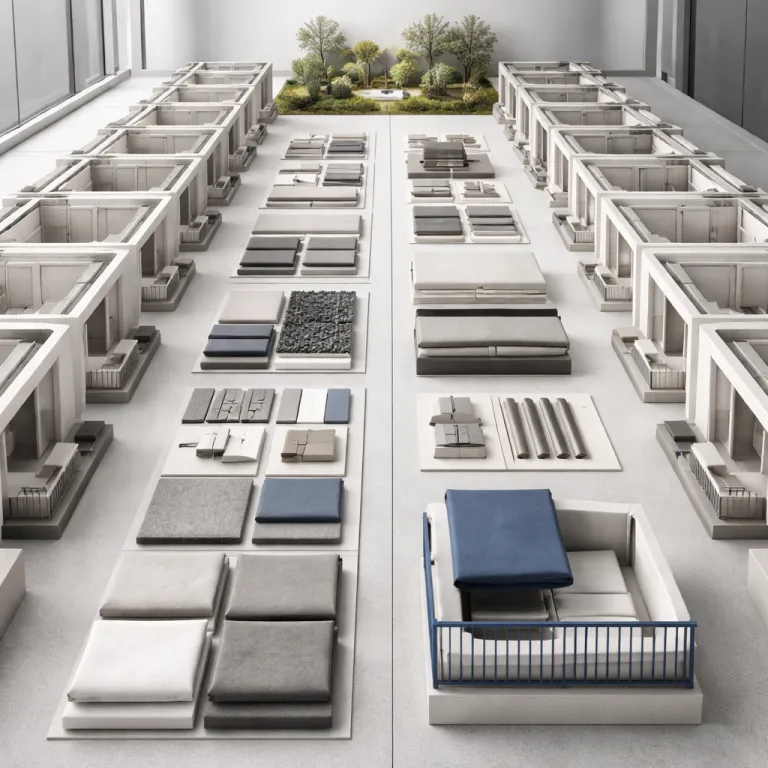
Biophilic hotel design: turning nature views into durable ADR premiums
Biophilic hotel design as a revenue instrument, not a styling exercise
Biophilic hotel design only creates durable pricing power when it is treated as revenue infrastructure, not as decorative foliage. Rooms that face nature or water can command an ADR premium, but that uplift depends on how the hotel design translates the view into a complete nature inspired experience across the interior and the wider resort. When biophilic elements are specified with the same discipline as key systems, the benefits show up in both guest satisfaction and long term asset quality.
Biophilic design is defined as design that connects people with nature through natural elements, and in hotels that connection must be legible from the first step into the lobby. A hotel lobby that frames a courtyard garden with controlled natural lighting, uses biomorphic patterns in stone and textiles, and extends green spaces visually towards the bar will support higher perceived value for upper view categories. When the lobby design, circulation and FF&E all reinforce the same biophilic hotel narrative, guests accept a premium because the view feels like part of a coherent hospitality experience rather than an isolated feature.
Revenue directors often quote the headline that rooms with views of nature or water can achieve a 12 to 18 percent ADR premium, yet the data hides strong conditions. Mingsun’s Hotel Lobby Design Guide, based on a panel of approximately 120 upper upscale properties in Asia-Pacific and Europe, reports a 12 to 16 percent price premium on rooms with nature or water views in upper upscale hotels, while Elkay Interior Systems, drawing on a portfolio review of around 80 design hotel and resort projects in North America and EMEA, notes up to an 18 percent ADR premium for rooms with nature views in design hotel and resort segments. Those figures assume hotels resorts where at least 40 percent of the inventory offers some form of nature inspired outlook and where the interior design aligns with the exterior landscape rather than fighting it.
For architects and designers, the implication is clear: biophilic designs must be planned from the masterplan stage, not retrofitted as styling. The orientation of the hotel resort, the stacking of floors and the depth of guest rooms determine how many keys can legitimately be sold as view categories. Asset managers who treat biophilic hotel design as a structural decision about façade, balcony depth, and natural light penetration will create more monetisable inventory than those who rely on late stage planting and artwork.
Where the 12–18 percent view premium holds, and where it collapses
The 12 to 18 percent ADR premium linked to biophilic hotel design appears consistently only in specific brand tiers and markets. Upper upscale and luxury hotels in urban or resort locations with constrained natural elements in the competitive set tend to capture the full premium, especially when stays average two to four nights. In midscale city hotels where guests are price sensitive and stays are short, the same biophilic elements in rooms and lobby spaces often translate into higher review scores rather than measurable rate deltas.
Brand positioning matters because guests in lifestyle and design hotel segments actively seek biophilic designs and will pay for them. In these hotels, a hotel lobby that integrates a double height green wall, generous natural light and biomorphic patterns in joinery can justify a higher base rate before any view supplement is added. By contrast, in branded select service hotels where the lobby design is standardised and the interior is less nature inspired, view premiums above 8 to 10 percent tend to erode occupancy when competitors undercut.
Market context is equally unforgiving for hotel biophilic strategies that ignore saturation and seasonality. In a mature resort design cluster where every hotel resort now advertises biophilic elements and nature views, the premium compresses because guests perceive these features as baseline quality rather than differentiators. During low season, when occupancy is driven by groups and wholesale contracts, the same hotel design may still support upsell at check in, but contracted ADRs rarely reflect the full theoretical premium.
Planting maturity is another hidden variable that revenue teams often overlook when modelling biophilic hotel returns. A hotel that opens with immature landscaping, sparse green spaces and limited shade will struggle to sell its nature inspired story for the first three to five years, even if the interior design already integrates natural materials and soft colour palettes. Operators who price as if the landscape were fully grown risk training guests and distribution partners to expect discounts on view categories, making it harder to lift rates once the biophilic design finally reaches its intended density.
Channel architecture and room segmentation can also undo carefully planned view premiums if not aligned with the physical inventory. If the channel manager collapses multiple view types into a single code or fails to surface biophilic elements clearly in room names, the hotel loses the ability to segment demand. The detailed operator checklist for lobby and room categorisation used in advanced hotel lobby design projects can help maintain that segmentation across direct and indirect channels, and resources such as the operator focused lobby design checklist on Design for Travel show how to align spatial categories with sellable room types.
Designing the inventory: how architecture and FF&E create sellable biophilic views
The view premium starts on the site plan long before any FF&E schedule is written. Architects who treat biophilic hotel design as a structural principle will orient wings to maximise dual aspect rooms, reduce corridor depth and ensure that at least two thirds of guest rooms receive meaningful natural light. This approach creates more rooms where nature inspired outlooks feel integral to the interior rather than glimpsed from a corner window.
At the scale of the individual room, interior design decisions determine whether a view can be monetised as a distinct category. Bed placement that faces the window, low profile casegoods, and carefully framed openings allow guests to experience nature from the primary sightline, which is usually from the bed or lounge chair. When designers specify natural elements such as timber, stone and textured fabrics in colour palettes that echo the external landscape, the transition between interior and exterior becomes seamless and the perceived value of the view increases.
FF&E suppliers and bureaux d’études play a critical role in translating biophilic design intent into durable, maintainable products. Biophilic elements such as planters, integrated benches, and biomorphic patterns in carpets must be engineered for hospitality level wear while still supporting the narrative of a hotel biophilic environment. Strategic FF&E procurement, managed from concept through installation, ensures that natural materials and green features specified by the design équipe actually arrive on site within budget and with the performance characteristics needed for hotels resorts, and detailed guidance on this process is available through specialised resources on strategic FF&E procurement for hotels.
Public areas, especially the hotel lobby and adjacent lounge spaces, act as amplifiers for the biophilic hotel story. A lobby design that uses layered natural lighting, from skylights to filtered side light, can make even an urban interior feel connected to nature when combined with indoor trees and water features. When guests experience this quality of space on arrival, they are more inclined to value and select rooms that extend the same nature inspired language, supporting higher ADRs for view categories.
Case studies of unique hotel interiors worldwide show that the most successful biophilic designs integrate architecture, interior design and landscape into a single hospitality narrative. Properties that align resort design, guest circulation and FF&E around a coherent nature inspired story tend to achieve stronger RevPAR growth than those that treat biophilic hotel design as isolated green gestures, and industry analyses of innovative hotel interiors underline how this integration drives both guest loyalty and pricing power. For investors and asset managers, the lesson is that the CAPEX allocated to structural view creation and authentic natural elements often yields a more defensible ROI than late stage cosmetic upgrades.
Pricing logic, maintenance realities and three real world outcomes
Once the physical inventory exists, the next challenge is writing pricing logic that captures the value of biophilic hotel design without confusing guests or overpromising. Revenue directors should define no more than three view related room categories, each tied to clear, observable biophilic elements such as full sea view, partial garden view, or courtyard with green spaces. The naming must align with the actual interior design so that guests who pay a supplement genuinely feel the benefits of nature from their primary in room positions.
To keep the view ADR premium defensible over time, operators can use a concise checklist that combines pricing, channel and maintenance decisions:
- Limit view categories to a simple ladder (for example: standard, partial nature view, full nature or water view).
- Ensure room codes and descriptions match physical biophilic features across OTAs, GDS and direct booking engines.
- Use photography that shows natural light, greenery and biomorphic patterns from the guest’s primary sightlines.
- Ring fence an annual landscape and green wall maintenance budget for at least ten years.
- Audit planting maturity and natural element condition before each season and adjust ADR differentials accordingly.
Long term maintenance is the line item that quietly erodes many hotel biophilic business cases. Landscaped roofs, interior green walls and extensive planting in lobby spaces require ongoing irrigation, pruning and replacement, and these costs must be modelled over a ten year period rather than a single budget cycle. When owners underfund this maintenance, natural elements decline, views become patchy, and the hotel can no longer justify the original ADR premium for view categories.
Three property trajectories illustrate the stakes for hospitality investors and operators. The first is an urban design hotel that invested heavily in a biophilic lobby with mature trees, a skylit atrium and nature inspired FF&E; by ring fencing a dedicated landscape maintenance budget, it sustained a 12 to 15 percent ADR premium on courtyard view rooms while maintaining high guest satisfaction. The second is a coastal resort design project where architects oriented most rooms towards the sea and used restrained interior colour palettes and natural materials, allowing the property to achieve close to the 18 percent premium cited by Elkay Interior Systems for nature view rooms, especially in peak season.
The third case is a regional hotel that overextended its biophilic hotel narrative without matching CAPEX or maintenance. It priced garden view rooms at a 15 percent premium based on renderings of lush green spaces, but opened with immature planting, limited natural lighting and generic interior design that did not echo the surrounding nature, leading to guest complaints and discounting within the first year. As one industry reference aimed at travellers succinctly states, “Seek hotels with biophilic design for a calming stay” and “Look for natural light and greenery in hotel spaces”; when guests do not find those elements in reality, they punish both ADR and review scores.
For technical directors, asset managers and FF&E suppliers, the message is unambiguous. Biophilic design in hotels is not a soft amenity but a hard revenue lever that depends on architecture, interior design, resort planning, pricing discipline and long term operational care. When all these components align, biophilic hotel design improves guest well being, supports higher ADRs and protects asset value, but when any link fails, the promised view premium evaporates quickly.
Key figures on biophilic hotel design and revenue impact
- Guest satisfaction scores in hotels that implement biophilic design strategies increase by around 15 percent on average, according to Hotel Design Journal, which reports a synthesis of roughly 60 case study properties across North America, Europe and Asia and correlates this uplift with stronger review sentiment and improved pricing resilience in competitive markets.
- Energy savings of approximately 20 percent have been reported in properties that maximise natural light and natural ventilation as part of their biophilic hotel design, based on data from Sustainable Building Report’s analysis of about 50 mixed use and hospitality projects, supporting both lower operating costs and sustainability positioning.
- Mingsun’s Hotel Lobby Design Guide, which aggregates performance data from around 120 upper upscale hotels in Asia-Pacific and Europe, indicates that rooms with nature or water views in upper upscale hotels can achieve a 12 to 16 percent ADR premium when the lobby design and public spaces also express coherent biophilic elements and strong connections to nature.
- Elkay Interior Systems reports that in certain resort and design hotel segments, based on an internal review of approximately 80 completed projects in North America and EMEA, rooms with high quality nature views can reach up to an 18 percent ADR premium, particularly when combined with nature inspired interior design and well executed green spaces across the property.
- Industry case studies show that hotels which integrate biophilic designs from the masterplanning stage can increase the proportion of inventory legitimately sold as view categories to more than 40 percent of total keys, compared with 20 to 25 percent in comparable properties that treat biophilic elements as late stage add ons, according to aggregated benchmarking from specialist hospitality design consultancies.
For visual documentation of these outcomes, operators should ensure that photography and illustrations of biophilic hotel design are tagged with descriptive image alt text such as “hotel lobby with indoor trees and natural light” or “guest room with sea view and nature inspired interior”, making the revenue impact of nature connected spaces both visible and verifiable.