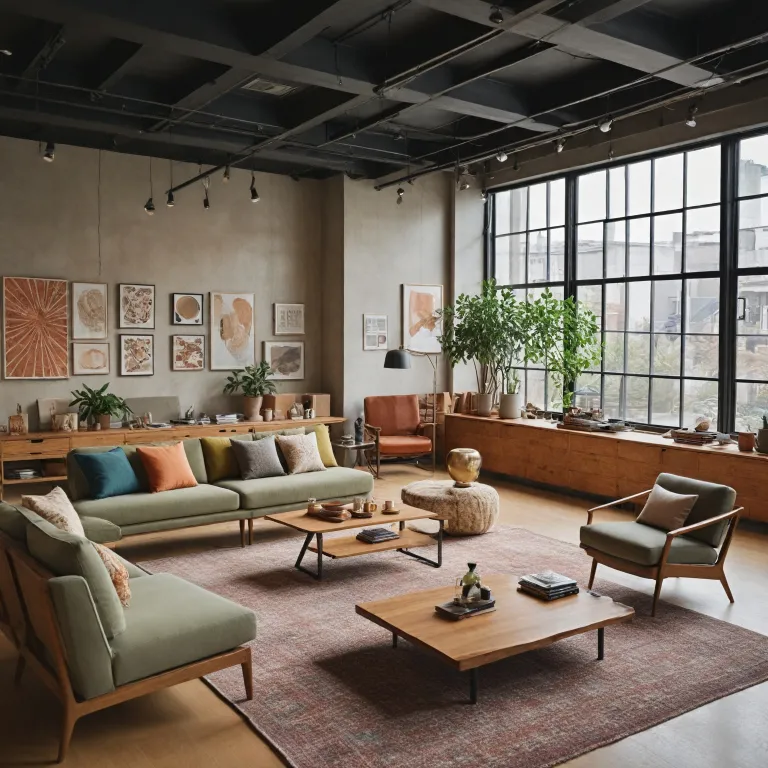
Aligning furniture procurement with hospitality brand and asset strategy
In hospitality, furniture procurement only creates value when it aligns with the asset strategy. For architects, interior designers and asset managers, every furniture decision must reinforce positioning, RevPAR ambitions and long term operational resilience. The procurement process therefore becomes a strategic framework that connects concept design, FF&E procurement, budget governance and business performance.
At master planning stage, the project team should define how furniture, fixtures and equipment will support the guest journey. This means translating interior design narratives into measurable procurement interior criteria such as durability, cleanability, acoustic comfort and modularity. When procurement services are involved early, they can stress test furniture procurement scenarios against lead time, trade pricing, and realistic delivery installation constraints.
For investors and asset managers, the procurement process is also a risk management tool. Clear governance around purchase orders, vendor selection and quality assurance protects the business from scope creep, late orders and unplanned cost overruns. A structured approach to FF&E purchasing, with transparent pricing and benchmarked trade accounts, allows the client to arbitrate between bespoke furniture and catalog furniture fixtures without compromising the design intent.
In multi property portfolios, harmonised procurement services can unlock 15 percent cost savings through bulk purchasing while preserving local character. Standardised materials finishes, fixtures equipment specifications and procurement interior workflows reduce average procurement lead time to around six weeks. Within this framework, interior designers retain creative control, while the Procurement Department and Suppliers coordinate orders, contracts and delivery to meet brand and operational requirements.
Design led procurement process from concept to purchase order
A design led procurement process starts with a rigorous needs assessment anchored in the interior design concept. Architects and interior designers should map every space type, then define furniture, fixtures and equipment packages that reflect the operational script of the hotel. This early mapping clarifies quantities, performance criteria and budget envelopes before any purchase order is issued.
During schematic design, procurement interior specialists translate mood boards into preliminary FF&E procurement schedules. They challenge designers and vendors on materials finishes, sustainable furniture options and realistic lead time assumptions. Case studies such as how a design icon reshaped luxury hotel design in Taipei illustrate how tightly coordinated furniture procurement can protect a bold concept while respecting time and budget.
As the project advances, competitive bidding, negotiation and direct purchase strategies are combined to optimise pricing. Procurement services issue detailed requests for quotation that align with the interior design intent, including mock up room requirements and delivery installation phasing. Purchase orders and purchase order tracking tools then become the backbone of communication between designers, the Procurement Department, each vendor and the client.
Throughout this process, best practices require that all orders are cross checked against drawings, specifications and room matrices. Interior designers and directions techniques should validate shop drawings and samples before any order is released. This disciplined procurement process reduces errors, secures trade pricing, and ensures that furniture procurement supports both the aesthetic ambition and the long term business plan of the asset.
Balancing budget, pricing and quality assurance in FF&E purchasing
Balancing budget, pricing and quality assurance is one of the most delicate aspects of FF&E purchasing. Hospitality investors expect procurement services to achieve cost effectiveness without diluting the design narrative or compromising guest comfort. To do so, the project team must treat furniture procurement as a value engineering exercise rather than a simple cost cutting exercise.
Early in the procurement process, designers and asset managers should define target budget ranges per key area, from guestrooms to public spaces. Trade accounts and trade pricing can then be leveraged with selected vendors to keep unit pricing within these ranges, while still allowing for statement furniture fixtures in signature zones. For example, a premium lounge chair might be justified in a lobby, while a more standard furniture solution is specified for back of house areas.
Quality assurance is non negotiable in hospitality, where furniture, fixtures and equipment face intensive use. Robust specifications for materials finishes, joinery, hardware and upholstery must be integrated into all purchase orders and contracts. Mock up rooms, factory inspections and on site delivery installation checks allow the client and interior designers to verify that the delivered furniture matches the approved samples and performance criteria.
Operational feedback loops are equally important for long term business performance. Housekeeping and maintenance teams should report on wear patterns, repair costs and guest comments, feeding data back into future FF&E procurement decisions. In parallel, sleep experience programs, such as those explored in this analysis of a pillow menu reshaping restorative sleep, show how targeted furniture procurement in one category can significantly influence guest satisfaction and brand differentiation.
Integrating sustainable furniture and circular thinking into procurement
Sustainable furniture is no longer a niche preference but a core expectation in contemporary hospitality projects. Architects, interior designers and asset managers are increasingly required to integrate environmental criteria into every procurement process. This shift affects furniture procurement decisions from materials finishes selection to vendor qualification and delivery installation logistics.
When specifying furniture fixtures, designers should prioritise certified wood, low VOC finishes and recycled content textiles that meet both aesthetic and operational standards. Procurement services can prequalify vendors based on their ability to provide environmental product declarations, take back schemes and repair services. This approach supports circularity, reduces waste during FF&E purchasing and extends the life cycle of fixtures equipment across renovation cycles.
In resort and destination projects, sustainable furniture choices also contribute to the storytelling of place. Initiatives such as a design led sustainable Caribbean resort development demonstrate how procurement interior strategies can align with local craftsmanship and responsible sourcing. Here, the procurement process becomes a bridge between global brand standards and regional materials finishes, supporting both authenticity and compliance.
However, sustainable furniture procurement must remain grounded in business realities. Lead time, pricing and maintenance requirements need to be evaluated alongside environmental benefits, ensuring that the client’s budget and operational constraints are respected. By embedding sustainability criteria into purchase orders, trade accounts and vendor frameworks, hospitality stakeholders can progressively transform their procurement services without disrupting project schedules or compromising guest experience.
Coordinating vendors, logistics and delivery installation on complex projects
On large hospitality projects, coordinating vendors, logistics and delivery installation is as critical as the initial design. Multiple vendors often supply furniture, fixtures and equipment across guestrooms, suites, restaurants and back of house, each with different lead time and production constraints. Without a disciplined procurement process, misaligned orders and fragmented delivery can jeopardise opening dates and inflate costs.
A centralised Procurement Department, working closely with interior designers and directions techniques, should maintain a live procurement interior dashboard. This tool tracks every purchase order, order status, shipping milestone and on site delivery window. By consolidating information from each vendor, the project team can sequence FF&E purchasing to match construction progress, avoiding storage costs and damage risks.
Best practices include defining clear Incoterms, packaging standards and labelling protocols in all contracts and purchase orders. Vendors must understand site constraints such as lift sizes, loading dock access and working hours, which directly influence delivery installation planning. For international projects, customs clearance and local transport should be integrated into the procurement services scope, rather than treated as an afterthought.
During installation, quality assurance teams verify that furniture, fixtures and equipment are assembled correctly, free of defects and aligned with interior design layouts. Snagging lists are issued to vendors, and retention sums may be linked to the resolution of outstanding issues. By treating logistics and delivery installation as an extension of furniture procurement, hospitality stakeholders protect both the design vision and the business case of the project.
Governance, best practices and future directions in furniture procurement
Robust governance is the backbone of effective furniture procurement in hospitality. Clear roles for the Procurement Department, interior designers, asset managers and the client ensure that every purchase order serves the project’s strategic objectives. Documented best practices around vendor selection, trade accounts, trade pricing and quality assurance create a repeatable procurement process across multiple assets.
Digital tools are reshaping procurement services, from supplier databases to integrated purchase orders and order tracking platforms. These systems enhance transparency on pricing, lead time and performance, enabling data driven FF&E procurement decisions. As one expert summary states, “Process of acquiring furniture for organizational use.”, underlining that structured procurement interior workflows are essential for operational excellence.
Looking ahead, procurement interior strategies will increasingly integrate real time data on guest preferences, maintenance costs and sustainability metrics. This will allow designers and vendors to refine furniture fixtures specifications and materials finishes over successive renovation cycles. For business stakeholders, the objective remains constant : align furniture procurement with brand positioning, budget discipline and long term asset value.
For complex hospitality projects, collaboration between architects, interior designers, procurement services and vendors is the most powerful risk mitigation tool. When all actors share a common understanding of the project, the design intent and the business plan, furniture procurement becomes a lever for differentiation rather than a constraint. In this context, procurement, furniture, project, design, process, time, FF&E, orders, interior, pricing, delivery, purchase, trade, budget, vendors, designers, order, vendor, business, client, furniture procurement, procurement process, interior design, FF&E procurement, purchase orders, interior designers, best practices, trade accounts, trade pricing, FF&E purchasing, delivery installation, procurement interior, sustainable furniture, materials finishes, furniture fixtures, quality assurance, lead time, fixtures equipment, procurement services and each purchase order form a coherent, value creating ecosystem.
Key statistics for hospitality furniture procurement
- Average procurement lead time for hospitality furniture packages is approximately 6 weeks from final approval to site delivery.
- Well structured bulk FF&E purchasing programs can generate around 15 percent cost savings on comparable specifications.
Frequently asked questions about furniture procurement in hospitality
What is furniture procurement in a hotel project ?
Furniture procurement in a hotel project is the structured process of acquiring furniture, fixtures and equipment that meet the design intent, operational requirements and budget of the asset. It covers everything from initial specifications and vendor selection to purchase orders, logistics and delivery installation. In hospitality, this procurement process must also align with brand standards and long term maintenance strategies.
How long does the furniture procurement process usually take ?
The typical lead time for furniture procurement in hospitality ranges from 4 to 6 weeks after final approvals, depending on complexity and vendor location. Custom furniture fixtures, specialised materials finishes or remote sites can extend this time frame. Early engagement of procurement services and realistic programming of orders are essential to protect opening dates.
Which factors most influence FF&E procurement outcomes ?
The main factors influencing FF&E procurement outcomes are budget, quality, lead time and supplier reliability. Strong governance around trade accounts, trade pricing and purchase orders helps balance these parameters. Collaboration between interior designers, the Procurement Department and each vendor is critical to maintain design integrity while controlling risk.
How can interior designers work more effectively with procurement services ?
Interior designers can work more effectively with procurement services by involving them early in the project, sharing detailed specifications and being transparent about priorities. Joint reviews of mock up rooms, materials finishes and sustainable furniture options help align expectations. Regular coordination on orders, delivery installation sequencing and quality assurance ensures that the final result reflects the original interior design vision.
Why is sustainable furniture important in hotel procurement ?
Sustainable furniture is important because it reduces environmental impact, supports brand positioning and can improve long term operating costs. By specifying responsible materials finishes and working with vendors that offer repair and take back programs, hotels extend the life of their furniture fixtures. This approach aligns FF&E purchasing with broader ESG objectives and evolving guest expectations.