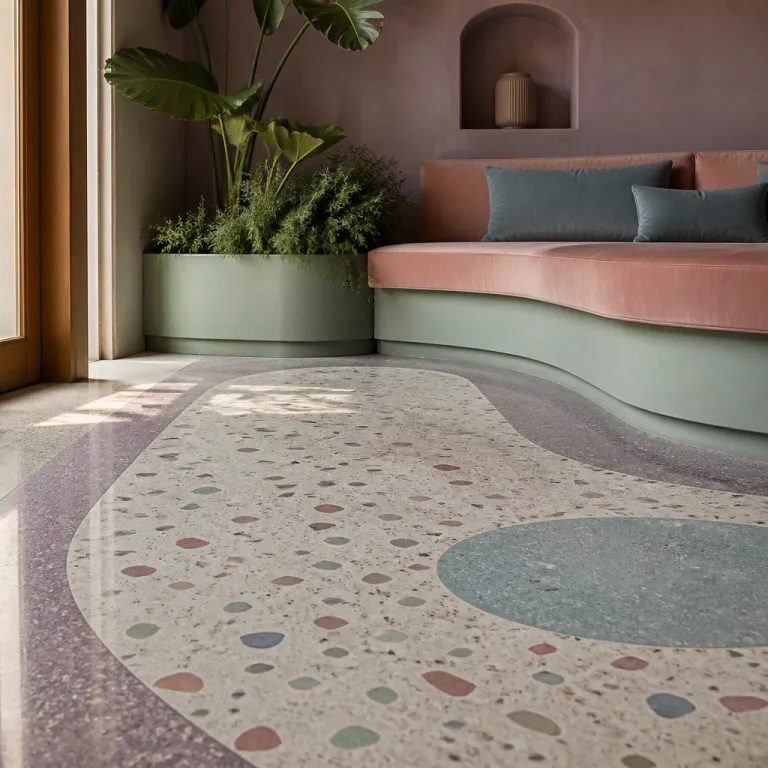
Why hotel terrazzo specification is now an operator level decision
Hotel terrazzo specification is no longer a purely aesthetic exercise for architects. When a terrazzo floor fails in a lobby, the general manager lives with the safety risk, the guest complaints and the unplanned flooring shutdown. A rigorous approach to terrazzo flooring, from material transparency to terrazzo maintenance, is now a core asset management decision backed by measurable performance data rather than just visual preference.
For high traffic public spaces, terrazzo offers a rare combination of durability, design flexibility and low life cycle cost when compared with ceramic tile or natural stone. Installed cost for terrazzo flooring typically ranges from 20 to 80 USD per square foot, yet the expected lifespan can exceed 75 years, which radically changes the cycle cost conversation for any building. Industry figures from the National Terrazzo and Mosaic Association (NTMA) technical bulletins and cost guides such as RSMeans Square Foot Costs consistently place terrazzo at the higher end of initial cost but among the lowest in annualised cost per square foot over a 30 to 75 year period.
That long life cycle only materialises when the terrazzo specification, installation and maintenance protocols are aligned with real hotel operations, not just the design narrative. Architects, contractors and suppliers each hold part of the risk, but the operator carries it for years after handover. The National Terrazzo and Mosaic Association, often shortened to NTMA, sets performance benchmarks in documents such as the NTMA Terrazzo Specifications and NTMA Maintenance Guide, and working with an NTMA terrazzo contractor is one of the most effective ways to protect both safety and ROI. For a general manager, insisting on a complete data sheet package, including environmental product declarations, safety data sheets and indoor air quality information referencing standards such as CDPH Standard Method v1.2, is as important as approving the lobby render where the classic terrazzo pattern anchors the entire design.
Poured in place, precast and terrazzo tiles: choosing the right system for each zone
The first strategic decision in any hotel terrazzo specification is the choice between poured in place systems, precast elements and terrazzo tiles. Poured place terrazzo flooring delivers seamless expanses in lobbies and ballrooms, while precast stair treads, base and counters allow tighter control of details and faster installation in complex zones. Terrazzo tile products, including large format tiles, can compress lead time and simplify phasing in renovations where full depth terrazzo installation is impractical or where noisy wet trades must be limited to short shutdown windows.
Poured in place terrazzo floor systems, especially epoxy terrazzo with epoxy resin binders, achieve the highest design flexibility with custom aggregates and intricate metal divider strip layouts. Precast terrazzo elements are cast off site as a controlled material, then installed like a high precision tile, which can be critical when coordinating with other FF&E such as heavy velvet curtains that frame lobby vistas and require exact finished floor levels as a strategic architectural asset. Terrazzo tiles and ceramic tile alternatives, while not as seamless as poured place systems, can still deliver a refined terrazzo aesthetic with lower upfront cost and easier replacement of individual tile units.
From an operator perspective, the trade off is between initial disruption and long term maintenance. Poured in place terrazzo low joint counts mean fewer dirt traps and simpler terrazzo maintenance routines, but they demand longer on site programmes and careful protection during other trades’ activity. Terrazzo tile and ceramic tile solutions can be installed later in the schedule with shorter lead time, yet they introduce more grout lines, more potential for chipping at edges and a different safety profile for wet areas that must be addressed through slip resistant finishes and cleaning protocols. In practice, many hotels combine systems, using poured in place terrazzo in primary public spaces and terrazzo tile in back-of-house corridors to balance cost, downtime and operational resilience.
Aggregates, binders and patterns that still look current after 15 years
Once the system is chosen, the heart of hotel terrazzo specification lies in the combination of aggregates, binder and pattern that will carry the brand for years. Marble aggregates remain the default choice for many hospitality projects, but glass, shell and recycled aggregates can introduce subtle colour shifts and environmental benefits when aligned with LEED or other certification goals. The key is to balance visual interest with a restrained, contemporary terrazzo design that will not date the lobby as trends move on, while also considering how the mix will mask scuffs, rolling load marks and minor surface wear.
Epoxy terrazzo, using a pigmented epoxy resin binder, offers sharper colour control and thinner flooring build ups than cement based terrazzo, which can be critical where floor heights are constrained by existing building structure. Cement binders, by contrast, provide better thermal mass and can be more forgiving in exterior or semi exterior conditions, though they typically require thicker terrazzo floor sections and longer curing times. For both epoxy and cement systems, simple field patterns with restrained colour palettes age better than aggressive geometric layouts that feel of the moment for only a few years before looking tired, and NTMA case studies of long running hotel and airport concourses repeatedly show that neutral, large scale patterns maintain perceived quality longer in busy hotel lobbies.
Patterning also intersects directly with safety and wayfinding. In large public spaces such as an international airport concourse or a convention hotel lobby, subtle banding in the terrazzo flooring can guide guests without relying on signage, while contrasting nosings on stair treads protect every step and meet code requirements through carefully designed commercial stair details. When reviewing mock ups, operators should walk the space at night lighting levels to ensure the chosen aggregates, tile transitions and divider strips do not create visual confusion or glare that could undermine guest confidence and increase liability exposure. Where possible, request slip resistance testing data, such as a wet dynamic coefficient of friction (DCOF) of at least 0.42 tested under ANSI A326.3 for interior wet areas or a comparable local standard, so that aesthetic choices are supported by quantifiable safety metrics.
Performance, safety and maintenance versus stone and ceramic alternatives
For general managers comparing terrazzo with stone or ceramic tile, the operational questions are always the same. How does terrazzo maintenance compare with marble or porcelain, what are the real safety implications in wet zones, and how will the flooring look after ten years of luggage wheels and housekeeping trolleys. The answers sit in a mix of material science, installation quality and disciplined maintenance planning, all of which can be benchmarked using NTMA technical bulletins, the NTMA Maintenance Guide and manufacturer data sheets.
Properly specified terrazzo flooring, whether poured place or terrazzo tile based, is inherently dense and non porous when sealed correctly, which gives it a clear advantage over many natural stones that etch and stain more easily. Routine terrazzo maintenance typically involves daily dust mopping, damp mopping with a neutral cleaner and periodic re polishing, rather than frequent stripping and resealing cycles that some stone floors demand. In many hotel case studies, a light honing and polishing cycle every three to five years, combined with annual inspection of joints and sealers, has kept terrazzo floors performing well beyond their warranty period. When operators align cleaning products with low VOC requirements and reference indoor air quality standards such as CDPH Standard Method v1.2, they protect indoor air quality while also preserving the sheen of the terrazzo floor, which directly influences guest perception of cleanliness and overall building care.
Wet areas require special attention, because safety and slip resistance are non negotiable in spas, pool surrounds and guest bathrooms. Epoxy terrazzo can be finished with a honed or textured surface, or combined with ceramic tile inserts, to achieve higher slip resistance ratings without sacrificing design intent, while cement based terrazzo may be preferable in exterior pool decks where thermal movement is greater. In all cases, the NTMA terrazzo guidelines, the product data sheet and any third party product declarations should be reviewed together to confirm environmental performance, air quality impacts and long term life cycle expectations before sign off. Asking suppliers to provide independent test reports for slip resistance, stain resistance and abrasion, including wet DCOF values to ANSI A326.3 and abrasion resistance to ASTM C501 or similar, along with a recommended maintenance schedule, allows operators to compare terrazzo directly with porcelain tile or stone on a like-for-like performance basis.
Cost, lead time and aligning terrazzo with renovation phasing
Cost and lead time are where hotel terrazzo specification either supports or undermines a renovation schedule. Industry data shows that installed terrazzo flooring can range from 20 to 80 USD per square foot, while terrazzo floors can last over 75 years, which means the cycle cost is often lower than many short lived finishes. For asset managers, that combination of high initial investment and long life cycle demands a clear strategy for phasing, cash flow and guest impact, ideally supported by a simple life cycle cost model that compares terrazzo, stone and ceramic tile over a 30 year horizon.
Lead time is driven by several factors, including aggregate sourcing, epoxy resin or cement binder availability, fabrication slots for precast elements and the capacity of qualified contractors. In a market where FF&E procurement already faces a 16 to 22 week lead time problem, terrazzo materials and installation windows must be locked early in design to avoid becoming the critical path item that delays opening and turns procurement into a design constraint. Working closely with architects, contractors and suppliers from the outset allows the project équipe to sequence poured place works, tile installation and other trades so that terrazzo low disruption periods coincide with shoulder seasons or partial closures.
From an environmental and governance perspective, operators should request full material transparency, including product declarations, low VOC certifications and any LEED relevant documentation, as part of the standard product submittal package. This documentation, combined with NTMA guidance and clear maintenance manuals, gives hotel teams the data they need to manage indoor air quality, safety and long term terrazzo maintenance without guesswork. When those elements are in place, terrazzo becomes not just a design statement but a strategic flooring product that supports guest satisfaction, operational efficiency and asset value for decades. A typical full service hotel lobby project, for example, might install 8,000 square feet of epoxy terrazzo at 45 USD per square foot, with a 10 to 12 week lead time and a planned polishing cycle every four years, resulting in a competitive life cycle cost per square foot when compared with premium porcelain tile that requires more frequent replacement.
FAQ
What is the typical cost of terrazzo flooring in hotels ?
Installed terrazzo flooring in hotel public spaces generally ranges from 20 to 80 USD per square foot, depending on whether the system is poured in place, precast or terrazzo tile based. Complex designs with custom aggregates, epoxy terrazzo binders and intricate divider strip layouts sit at the higher end of that range. Simpler patterns, standard aggregates and smaller areas can reduce the initial cost, though the long life cycle still makes terrazzo competitive against many alternative materials when evaluated on a cost-per-year basis using life cycle cost methods similar to those in RSMeans Life Cycle Costing.
How long can a terrazzo floor last in a high traffic lobby ?
Well specified and properly maintained terrazzo floors can last over 75 years, even in high traffic hotel lobbies and corridors. That longevity depends on correct installation by qualified contractors, appropriate sealers and a consistent terrazzo maintenance regime aligned with manufacturer recommendations. NTMA reference projects documented in NTMA case studies show terrazzo installations that have been in continuous service for several decades, and when these conditions are met, the terrazzo floor often outlives several cycles of FF&E refresh, which significantly lowers the overall flooring cycle cost.
Which terrazzo patterns age best in hospitality interiors ?
Simple, neutral patterns age well over time, especially when combined with mid tone marble or recycled aggregates that mask minor wear. Large scale fields with subtle banding or gentle colour shifts tend to feel current for many years, while highly graphic motifs can date quickly as trends change. For operators planning long renovation cycles, prioritising a calm, understated terrazzo palette over short term fashion is usually the safer strategy, and reviewing NTMA case studies of long running hotel and airport projects can help validate those choices.
How does terrazzo compare to ceramic tile for maintenance and safety ?
Terrazzo typically offers fewer joints and a denser surface than ceramic tile, which simplifies cleaning and reduces dirt accumulation in grout lines. In terms of safety, both materials can achieve compliant slip resistance, but terrazzo allows more control through finish selection and aggregate exposure, especially in wet zones. The choice often comes down to budget, desired design continuity and the operator’s willingness to invest in periodic polishing versus more frequent grout maintenance, along with the availability of documented slip resistance values such as wet DCOF test results to ANSI A326.3.
Is epoxy terrazzo suitable for areas with strict indoor air quality requirements ?
Modern epoxy terrazzo systems are available with low VOC formulations and can contribute positively to indoor air quality when paired with appropriate sealers and cleaning products. Operators should always request a full data sheet, product declarations and any LEED related documentation to verify emissions performance, including reference to CDPH Standard Method v1.2 or an equivalent regional protocol. When these checks are in place, epoxy terrazzo can meet stringent environmental and health criteria while still delivering high design flexibility, and independent testing to recognised indoor air quality standards can provide additional assurance for projects with strict wellness targets.