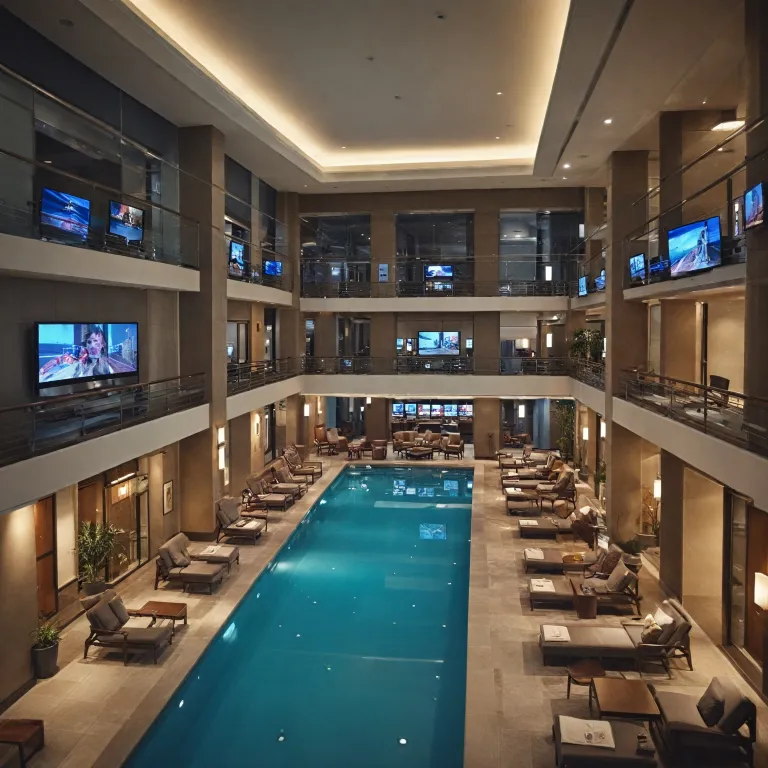
From back-of-house utility to front-of-house design driver
In many hotel projects, the hospitality television distribution system still enters the conversation too late. Yet this single system now shapes the guest experience, the perception of room entertainment, and even the value of FF&E investments. When architects and designers treat television systems as a design driver, they unlock new possibilities for hospitality solutions and revenue generation.
For hotel management and asset managers, the television distribution system is no longer just a technical backbone. It is a curated layer of content, channels, and interactive features that must align with the brand narrative and the positioning of the hotel. The most successful hotels offer a coherent blend of live channels, on demand content, and local attractions that guests access intuitively from the first screen.
Design teams must therefore coordinate early with technology vendors, television service providers, and hotel systems integrators. Cabling infrastructure, headend locations, and IPTV middleware choices directly influence room layouts, wall build ups, and FF&E detailing. When distribution systems are planned from the concept phase, the hotel distribution strategy can support both current television systems and future interactive solutions without disruptive renovation.
Today, approximately 65 % of hotels use IPTV systems, and advanced television systems can raise guest satisfaction scores by around 15 %. These figures confirm that a well designed distribution system is a measurable asset, not a hidden cost. For investors and bureaux d’études, the hospitality television distribution system has become a lever for differentiation, operational efficiency, and long term adaptability across multiple hotels.
Designing cabling infrastructure and bandwidth for future ready room entertainment
The technical architecture of a hospitality television distribution system begins with cabling infrastructure and bandwidth strategy. Decisions between coaxial, Ethernet, and Fiber to the Room define what systems offer today and how easily they can evolve tomorrow. For design teams, these choices affect ceiling voids, shaft dimensions, and coordination with architectural lighting and other building services.
Adoption of Fiber to the Room is reshaping how hotels plan their distribution systems. Higher band capacity supports IPTV, interactive features, and a wide range of video services without compromising Wi-Fi or building management traffic. This approach also simplifies upgrades, as a single optical backbone can serve television, room entertainment, and future digital hospitality solutions.
Technical directors must balance capital expenditure with lifecycle flexibility when specifying the distribution system. A robust IP based system allows hotels to integrate streaming services, casting, and personalized content without reworking the core cabling infrastructure. In parallel, architectural teams can coordinate with lighting designers to ensure that screens, controls, and interactive interfaces complement the overall guest experience rather than competing with it, as explored in recent analyses of architectural lighting shaping next generation hospitality experiences.
For multi property portfolios, standardized cabling and hotel systems architectures simplify maintenance and training. Technology vendors can then deploy consistent television systems across hotels, while still tailoring channels, content, and services to each market. This disciplined approach turns the hospitality television distribution system into a scalable platform rather than a one off technical compromise.
Integrating IPTV, SMATV and interactive features into the room narrative
Within the room, the hospitality television distribution system must feel invisible yet powerful. Guests expect the television to respond instantly, present a clear channel map, and surface relevant content without friction. When well executed, room entertainment becomes a natural extension of the interior design narrative and the brand’s hospitality solutions.
IPTV delivers television content over the hotel IP network, enabling interactive features and deep integration with hotel systems. SMATV, by contrast, distributes satellite and terrestrial channels via coaxial networks, often with more limited interactivity. Many hotels now adopt hybrid distribution systems, combining IPTV for premium services and SMATV for baseline channels to balance cost, resilience, and guest experience.
For designers, the choice of system influences screen placement, furniture design, and even acoustic treatment. A hospitality television distribution system that supports casting, demand content, and personalized services allows the room to function as an urban living lab, similar in spirit to projects that redefine the hotel room as an adaptable micro apartment, such as the approach documented for HQ Development in Vancouver. When guests enjoy intuitive interfaces, clear navigation between channels, and seamless access to local attractions information, they perceive the room as both efficient and generous.
Integration with the Property Management System allows the hotel television to greet each guest by name and promote tailored services. This same distribution system can support in room ordering, spa bookings, and late checkout requests, turning the television into a transactional touchpoint. For investors, such systems offer measurable revenue generation while reinforcing the perceived value of the room.
Aligning FF&E, screens and hotel television systems with brand positioning
FF&E decisions around screens, brackets, cabinetry, and control devices are inseparable from the hospitality television distribution system. The size, resolution, and placement of each television must align with the room typology, viewing distances, and architectural constraints. Poor coordination leads to compromised sightlines, visible cabling, and a fragmented guest experience.
When hotel systems are specified in isolation, designers often face late changes to wall construction, power points, and data outlets. A more integrated process treats the distribution system as part of the FF&E narrative, where the television, sound, and interactive features are considered alongside headboards, desks, and seating. In this context, systems offer a wide range of room entertainment options, from linear channels to curated video playlists and branded content.
Asset managers increasingly evaluate how hotel television choices support long term flexibility. Modular cabinetry that can accommodate different screen sizes, or recessed conduits that future proof cabling infrastructure, protect the investment when upgrading television systems. Case studies of urban boutique hotels, such as the design language shaped at the Kimpton Hotel Palomar in San Diego, show how a carefully integrated hotel distribution and room entertainment concept can reinforce brand storytelling.
For suppliers of FF&E and technology vendors, collaboration is essential to ensure that hotel television hardware, mounting systems, and ventilation requirements are fully coordinated. This alignment allows hotels to offer a consistent viewing experience across categories, while still tailoring interactive solutions and services to specific segments. Ultimately, the hospitality television distribution system becomes a visible expression of the brand’s commitment to comfort, clarity, and contemporary living.
Operational integration, content strategy and measurable guest experience gains
Beyond design, the hospitality television distribution system must integrate seamlessly with hotel management operations. Hotel Management oversees the implementation and maintenance of the television distribution system. Television Service Providers supply channels and content, while Technology Vendors deliver the hardware and software that make distribution systems reliable and scalable.
A coherent content strategy is as important as the physical system. Hotels offer a mix of international channels, local channels, and curated video content that reflects the destination and the brand. When guests access this ecosystem through a clear home screen, they quickly understand how to navigate live television, demand content, and interactive services such as room service ordering or spa bookings.
Modern television systems increasingly integrate streaming platforms and casting, allowing guests to bring their own content into the room. Many modern hotel TV systems offer casting capabilities, allowing guests to stream content from their personal devices to the in-room television. This capability enhances the guest experience while reducing the need for an excessive wide range of linear channels, which can be costly to license and manage.
From an operational perspective, integration with the PMS and other hotel systems enables targeted messaging and cross selling. The distribution system can promote local attractions, late checkout, or premium room entertainment packages, supporting revenue generation without feeling intrusive. With advanced analytics, management can track which services guests enjoy most, refine the mix of hospitality solutions, and quantify the impact of the hospitality television distribution system on satisfaction and ancillary spend.
Risk management, scalability and multi-property distribution strategies
For owners and asset managers overseeing multiple hotels, the hospitality television distribution system must be robust, secure, and scalable. Standardizing on a core set of systems across properties simplifies training, maintenance, and vendor relationships. At the same time, each hotel must retain the flexibility to adapt channels, content, and services to its specific market and positioning.
Risk management begins with resilient cabling infrastructure, redundant headend equipment, and clear service level agreements with technology vendors and television service providers. Distribution systems should be designed to handle peak band usage without degrading the viewing experience or other IP based services. Compatibility with international broadcasting standards is essential for brands operating across regions, ensuring that hotel television remains consistent for guests who travel frequently.
Scalability also concerns the ability to add new interactive features and hospitality solutions over time. As IPTV platforms evolve, hotels may wish to introduce new video services, enhanced room entertainment packages, or localized content about nearby attractions. A flexible distribution system allows these upgrades through software and configuration changes rather than invasive construction, protecting both FF&E and building fabric.
For investors, the hospitality television distribution system becomes part of the long term asset strategy. Well designed systems offer a wide range of monetization options, from premium demand content to partnerships with local attractions promoted through the hotel television interface. When guests enjoy a seamless, intuitive experience across multiple hotels, the brand strengthens loyalty and justifies rate premiums, confirming that the distribution system is a strategic asset rather than a sunk cost.
Designing for accessibility, inclusivity and evolving guest expectations
As guest profiles diversify, the hospitality television distribution system must support accessibility and inclusivity by design. Television systems should offer multilingual menus, clear audio options, and easy to navigate channel lists that respect different cultural expectations. For architects and designers, this means considering sightlines, control ergonomics, and lighting conditions that make on screen content legible for all guests.
Interactive features can also support guests with specific needs. Subtitles, audio description tracks, and simplified navigation modes should be part of the baseline specification for hotel television platforms. When systems offer these options consistently across hotels, guests enjoy a sense of familiarity and control, reinforcing the perception of a thoughtful, guest centric brand.
Evolving expectations around privacy and data handling also affect the design of distribution systems. Guests access personal streaming accounts, demand content, and interactive services through the in room television, so automatic data wiping at checkout is essential. Integration with hotel systems must therefore balance personalization with strict privacy safeguards, ensuring that no sensitive information remains on the room entertainment interface.
Looking ahead, the hospitality television distribution system will continue to converge with other digital layers of the hotel. As mobile devices act as remote controls and as new video formats emerge, the underlying distribution system and cabling infrastructure must remain adaptable. By treating television systems as a core architectural and FF&E consideration, project teams can create hotels where technology quietly enhances the guest experience, supports revenue generation, and preserves design integrity over time.
Key statistics on hospitality television distribution systems
- Approximately 65 % of hotels are already using IPTV systems as part of their television distribution architecture.
- Hotels that implement advanced television systems typically record an average 15 % increase in guest satisfaction scores.
Frequently asked questions about hospitality television distribution systems
What is the difference between IPTV and SMATV ?
IPTV delivers television content over a hotel's IP network, allowing for interactive services and integration with other IP-based systems. SMATV uses a centralized antenna system to distribute satellite and over-the-air channels via coaxial cables.
Can guests stream their own content on hotel TVs ?
Many modern hotel TV systems offer casting capabilities, allowing guests to stream content from their personal devices to the in-room television.
How do hotel TV systems integrate with Property Management Systems (PMS) ?
Integration allows for personalized guest experiences, such as displaying guest names on welcome screens and enabling in-room purchases to be charged directly to the guest's account.
Why are hotels moving toward IPTV based distribution systems ?
Hotels are adopting IPTV because it supports interactive features, flexible content management, and easier integration with other hotel systems, while also enabling more efficient use of cabling infrastructure and bandwidth.
How can a television distribution system support additional revenue streams ?
A well designed distribution system can promote premium demand content, upsell services such as spa or late checkout, and highlight local attractions partnerships, all of which contribute to incremental revenue generation.