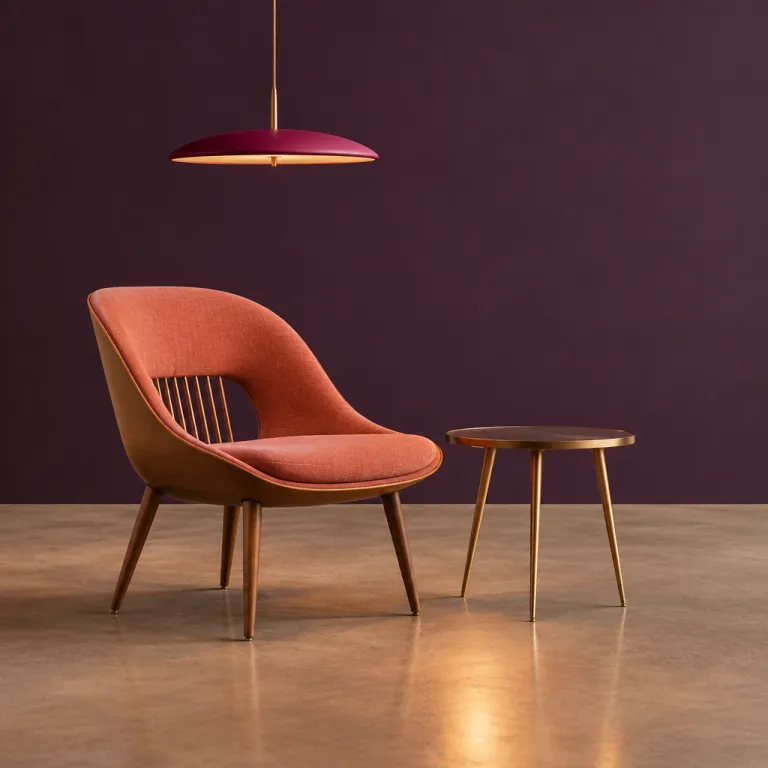
From gio ponti chair icon to scalable hospitality typology
The gio ponti chair is more than a collectible; it is a design method that still guides serious hotel furniture strategies. When architects and designers analyse how Gio Ponti balanced structure, comfort, and proportion in his chairs, they gain a precise framework for specifying durable seating in high traffic lobbies and lounges. For asset managers and investors, this approach turns an iconic ponti style into a measurable asset class rather than a nostalgic gesture.
In hospitality projects across Italy and the United States, the best teams treat each chair as a micro architecture that must perform under intense operational pressure. A gio ponti chair reference becomes a benchmark for weight, ergonomics, and stacking logic, especially when you move from one ponti armchair to a full ponti set of dining chairs or lounge chairs. The same discipline applies when FF&E suppliers propose Italian made chairs in both small paired configurations and large coordinated batches for ballrooms or conference spaces.
For technical directors, the lesson from every historic gio ponti chair prototype is clear and unforgiving. If a lounge chair fails in a lobby, the failure is multiplied by hundreds of items and by the cost of shipping, storage, and maintenance over the full asset life. This is why serious interior design teams now treat each gio ponti chair specification as a long term financial decision, not a decorative afterthought.
Translating ponti style proportions into contemporary hotel seating
Gio Ponti trained as an architect, so every gio ponti chair expresses architectural thinking in miniature. The way a ponti armchair handles the transition from leg to seat to backrest offers a precise lesson in load paths, visual lightness, and user comfort. When you scale that logic to a lobby filled with lounge chairs, you create a coherent structural rhythm that guests feel before they consciously see it.
For corridors, restaurants, and suites, the same ponti style discipline can guide how dining chairs and lounge chairs align with lighting, wall panels, and flooring joints. A row of gio ponti inspired chairs along a corridor can either fight the wayfinding sequence or reinforce it, which is why many bureaux d’études now coordinate seating layouts with the full corridor design and lighting rhythm. When Italian crafted chairs are placed to echo door spacing and wall sconces, the result is a mid century calm that feels intentional rather than staged.
Technical directors in both Italy and the United States are also re reading ponti chairs as ergonomic data points. Seat height, back rake, and armrest geometry from a classic gio ponti chair can be translated into parametric models that generate multiple chair gio variants for different zones. This allows a single italian modern language to run from compact dining items to generous lounge chair silhouettes without losing brand coherence.
Balancing italian modern elegance with operational resilience
Hotel operators often love the elegance of an italian modern gio ponti chair but fear its perceived fragility. The reality is that the original ponti chairs were engineered for daily use, and their structural clarity makes them easier to adapt to hospitality loads than many anonymous contemporary chairs. When FF&E suppliers work with asset managers, they can use a carefully selected ponti pair of prototypes to test frame thickness, joint detailing, and upholstery performance before committing to a full ponti set.
In senior friendly resorts and long stay properties, the ponti armchair typology offers a valuable reference for supportive seating that still looks refined. Arm height, grip profile, and seat depth from a classic lounge chair can be tuned to meet accessibility standards while preserving the italian modern silhouette that guests expect in premium brands. This is where guidance on supportive furniture in hospitality interiors aligns naturally with the gio ponti chair legacy.
For investors comparing price scenarios, the key is to evaluate total cost of ownership rather than only the pre contract unit price. A well engineered family of Italian chairs, inspired by ponti gio principles, will reduce replacement cycles, storage needs, and waste, especially in properties across the United States with high occupancy. Over a typical refurbishment cycle, that resilience can offset higher initial items costs and protect both brand image and guest satisfaction.
From art deco echoes to mid century clarity in hotel narratives
Many hospitality brands operate in historic buildings where art deco details coexist with later mid century interventions. The gio ponti chair language sits at a productive intersection between these eras, allowing designers to bridge decorative plasterwork with cleaner italian modern lines. A carefully chosen ponti pair of lounge chairs in a heritage lobby can mediate between ornate ceilings and contemporary lighting without visual conflict.
In restaurants, the dialogue between art deco geometry and mid century restraint can be orchestrated through dining chairs and banquettes. When designers specify gio ponti style chairs with tapered legs and faceted backs, they echo the vertical emphasis of art deco pilasters while keeping the overall style calm and current. This is particularly effective in boutique hotels in Italy and the United States where guests expect a strong sense of place rather than generic global design.
For FF&E suppliers, the challenge is to translate these references into manufacturable chair gio collections that respect fire codes, weight limits, and cleaning protocols. A ponti armchair inspired by a historic model must still stack efficiently, accept modern performance fabrics, and survive intensive housekeeping routines. When these constraints are handled intelligently, the gio ponti chair becomes a narrative anchor that also satisfies the strictest technical brief.
Procurement, shipping, and the hidden logistics of ponti inspired seating
Behind every elegant gio ponti chair in a lobby lies a complex chain of procurement decisions. Asset managers must balance the romance of sourcing Italian chairs from workshops in Italy with the realities of shipping costs, lead times, and customs in the United States. A mixed strategy often works best, combining a ponti set of signature pieces with regionally produced lounge chairs that share the same design DNA.
When specifying ponti chairs at scale, technical directors should request detailed pre production samples and stress tests rather than relying on catalogue images. A single prototype pair of ponti chairs can reveal how joints behave under repeated loading, how finishes respond to cleaning agents, and how the real price of maintenance will evolve over time. This is especially critical for dining chairs in banquet spaces, where hundreds of items are moved daily and failure rates quickly erode ROI.
Digital procurement platforms now allow design teams to track every chair gio from factory to site, including packaging density and container utilisation. By optimising shipping configurations for both lounge chairs and dining chairs, hotels can reduce damage rates and installation time while keeping the italian modern narrative intact. For investors, these logistics efficiencies often matter as much as the initial price when evaluating the long term performance of a gio ponti chair program.
Integrating gio ponti chair principles into holistic FF&E and lighting strategies
When a hotel brand embraces the gio ponti chair as a reference, the impact should extend beyond seating. The same clarity of line and proportion can inform lighting fixtures, casegoods, and even wayfinding graphics, creating a unified italian modern language across the property. Designers who treat ponti style as a system rather than a motif achieve stronger guest recognition and more coherent interior design narratives.
In practice, this means aligning the geometry of lounge chairs with the rhythm of pendant lights, wall washers, and table lamps. A row of dining chairs can be paired with linear luminaires that echo their backrest angles, while a ponti armchair in a corner reading niche might be framed by a focused floor lamp. For a deeper dive into how object scale influences FF&E strategy, many teams now reference analyses of elevated glassware and its impact on FF&E planning.
Technical directors and bureaux d’études should also consider how a gio ponti chair interacts with glazing, views, and daylight. A carefully placed lounge chair near a façade can turn a simple window into a framed scene that effectively opens a visual window onto the city or landscape. When repeated across suites and public areas, these chair gio and window compositions become part of the brand’s visual identity and a subtle driver of guest satisfaction.
Key figures shaping gio ponti chair strategies in hospitality
- Internal analyses referencing Politecnico di Milano teaching materials on hotel design economics suggest that seating can account for roughly 30% of the total FF&E budget in full service hotels, which means that any gio ponti chair inspired program has a direct impact on capital allocation.
- Data summarised from American Hotel & Lodging Association renovation guidelines indicates that typical soft renovation cycles occur every 6 to 8 years, so durable ponti chairs and lounge chairs can reduce at least one full replacement cycle over the life of a building.
- Studies reported by the Centre for Inclusive Design note that supportive armchairs can increase dwell time in lobby and lounge areas by up to 20%, which reinforces the business case for ponti armchair typologies in senior friendly and extended stay properties.
- Research from the International WELL Building Institute links ergonomic seating and controlled acoustic environments to measurable gains in guest satisfaction scores, underlining why italian modern seating strategies must be aligned with broader interior design and wellness goals.
FAQ about gio ponti chair strategies in hospitality projects
How can a gio ponti chair reference improve hotel ROI ?
Using a gio ponti chair as a benchmark helps teams focus on structural clarity, ergonomic comfort, and timeless style, which together extend the life of seating assets. Longer replacement cycles and fewer failures reduce operational expenditure, while recognisable design language supports higher average daily rates. For asset managers, this combination of durability and brand equity is a direct contributor to improved ROI.
Are ponti style chairs suitable for high traffic hotel restaurants ?
Yes, ponti style dining chairs can perform very well in high traffic environments when engineered with reinforced joints, contract grade finishes, and appropriate glides. The key is to prototype a matched pair of ponti chairs and subject them to realistic stress tests before full rollout. When correctly specified, these Italian chairs provide both visual refinement and robust daily performance.
What is the best way to integrate ponti armchairs into existing interiors ?
The most effective strategy is to treat each ponti armchair as a focal point that anchors a micro zone, such as a reading corner or a lobby vignette. Designers should coordinate upholstery, lighting, and side tables so that the chair gio feels intentionally framed rather than randomly placed. This approach allows even a small ponti set to transform guest perception of quality.
How do logistics and shipping affect ponti inspired seating programs ?
Logistics and shipping can significantly influence the real price of any gio ponti chair program, especially for projects spanning Italy and the United States. Efficient packaging, stackable frames, and regional warehousing reduce damage rates and lead times. Early collaboration between designers, FF&E suppliers, and logistics partners is essential to keep both costs and carbon footprint under control.
Can gio ponti chair principles be applied to custom hotel furniture ?
Absolutely, many bureaux d’études use gio ponti chair proportions and detailing as a starting point for fully custom seating families. By translating key dimensions and angles into parametric models, they can generate coherent ranges of lounge chairs, dining chairs, and bar stools tailored to each brand. This method preserves the spirit of italian modern design while meeting specific operational and branding requirements.