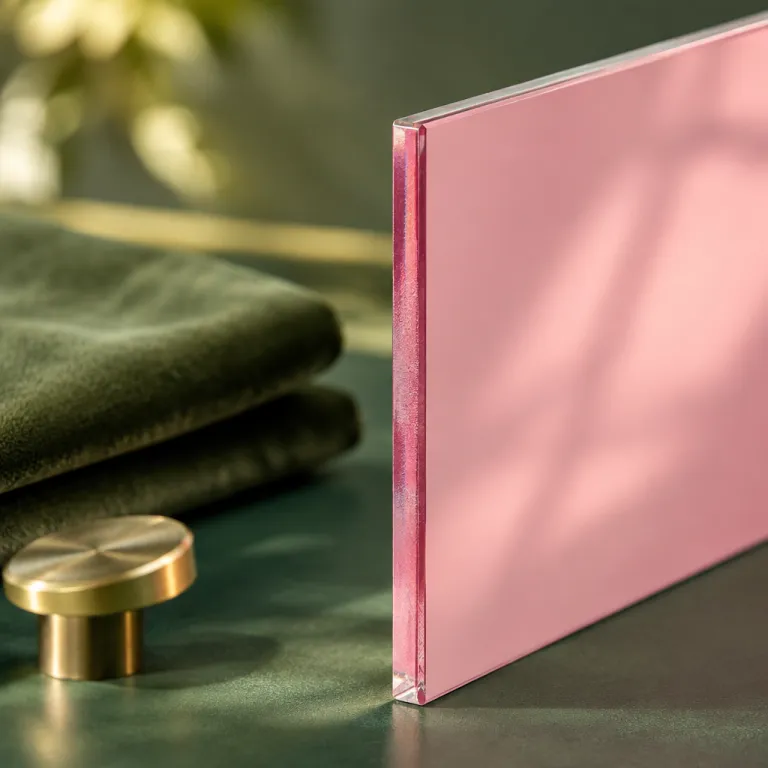
Pink back painted glass in hospitality: design language, performance, and brand value
Pink back painted glass has evolved from a niche accent to a strategic surface in contemporary hospitality design, linking brand color, durability, and guest experience across public areas and guestrooms.
Why pink back painted glass speaks the language of hospitality brands
Pink back painted glass has moved from niche accent to strategic surface in hospitality interior design. When a designer specifies this type of painted glass, they are choosing a controllable reflective surface that carries brand color with architectural precision. For asset managers and investors, the shift from porous finishes to glass back solutions also changes maintenance cycles and long term value, because glass cladding typically outperforms laminates and painted MDF in high traffic zones.
Behind every successful application of pink back painted glass sits a rigorous approach to color, paint technology, and substrate selection. Low iron flat glass is usually preferred, because low iron glass reduces the green cast and keeps the pink color clean and predictable under LED or daylight. Typical thicknesses for wall cladding range from 6–10 mm, while 10–12 mm is more common for tabletops and counters that receive direct impact. When you combine low iron glass with water based back painted systems and low VOC formulations, the result aligns with ESG reporting, technical direction goals, and guest health expectations, and can support LEED, BREEAM, or WELL material credits when backed by Environmental Product Declarations and VOC test reports.
Hospitality brands rarely work with a single shade of pink; they work with coordinated colors across rooms, public spaces, and F&B areas. That is why color matching between the brand palette and the back painted glass system must be validated through physical samples, not only digital renders. A disciplined request sample process, with several samples showing different gloss levels and etched glass options, helps FF&E suppliers and bureaux d’études avoid costly rework on site and gives owners a clear preview of how the pink back finish will behave under project specific lighting.

From reception desks to pool bars : applications that justify the investment
When evaluating pink back painted glass, the first question from a business owner is usually about applications that genuinely improve guest experience. Reception desks, concierge counters, and lobby feature walls benefit from a pink back finish because the glass surface is hard wearing, easy to clean, and visually warm. In F&B zones, back painted glass used on bar fronts, gantries, and buffet risers can replace laminates while keeping a slimmer build up and reducing visible joint lines.
Tables and consoles are another high impact use, especially where tabletops in painted glass can float above a darker plinth or black back base. A pink back finish on the underside of glass tables protects the paint layer from abrasion while allowing the surface to remain perfectly smooth for service. For outdoor or spa areas, designers often combine pink back painted glass with glass tempered to safety standards, especially near pools where impact resistance and slip resistant transitions matter as much as aesthetics and brand storytelling.
Pool bars and wellness decks illustrate how glass applications intersect with broader material strategies in hospitality. When a pool is treated as a design statement, the choice of deck material, depth profile, and access sequence must coordinate with vertical finishes such as pink back painted glass cladding on bars or feature walls; this integrated thinking is explored in detail in this analysis of the hospitality pool as design statement, which highlights how reflective surfaces, stair nosings, and drainage details work together. In guestroom bathrooms, tempered glass shower screens with a partial pink back band can hide plumbing details while maintaining transparency where natural light is needed, and can visually link to vanity backsplashes or wardrobe doors in the same color system.

Technical performance : substrates, safety, and long term maintenance
For directions techniques and bureaux d’études, the decision to specify pink back painted glass starts with substrate engineering. Flat glass must be selected for thickness, edge quality, and whether it will be processed as glass tempered or heat strengthened before the back painted coating is applied. Using tempered glass or glass tempered panels is mandatory in zones exposed to impact, such as corridors, lift lobbies, and spa areas, and should follow local safety glazing standards such as EN 12150 in Europe or ANSI Z97.1 and CPSC 16 CFR 1201 in North America.
The paint system on the back of the glass determines both durability and sustainability credentials. Water based back painted coatings with low VOC content are now widely available, and they significantly reduce emissions during fabrication and installation compared with older solvent systems. When a project requires glass printing for logos or wayfinding, the interaction between ceramic inks, back painted layers, and any etched glass details must be tested through coordinated samples, ideally including accelerated aging tests, impact trials, and cleaning trials that simulate several years of use.
Maintenance strategies also influence the choice between glossy and etched surface finishes. A fully glossy pink back painted glass wall will show fingerprints more readily than a satin etched surface, but it reflects light more efficiently in deep plan corridors. Technical teams should review cleaning protocols, compatible detergents, and access details request documents before sign off, because poorly specified cleaners can damage the paint layer at the glass back edges over time. For stair cores and transitions, pairing pink back painted glass with robust stair nosings as a design and safety asset in contemporary hospitality projects ensures both visual continuity and compliance, and reduces the risk of chipping at panel edges.
Color strategy : from brand palettes to custom color glass systems
Color is where pink back painted glass becomes a powerful FF&E and architecture bridge. A single pink back tone can read very differently on white walls, black back joinery, or glass blue accents, so mock ups in situ are essential. Asset managers should insist on a structured request sample protocol that includes at least three samples of each custom color under different lighting conditions, with clear documentation of RAL, NCS, or Pantone references.
Most serious suppliers now offer digital color matching services linked to physical samples, but the final decision must always rely on built mock ups. When specifying custom color systems, designers should consider how pink, yellow back accents, and neutral white or glass blue inserts will age alongside timber, stone, and metal finishes. In public areas, alternating panels of pink back painted glass and etched glass can create rhythm while controlling glare and reflections, and can subtly guide guests along circulation routes.
Guestroom applications demand more subtlety, because colors sit closer to the user and interact with textiles. A soft pink back headboard panel in painted glass can replace upholstered backs where hygiene and cleaning frequency are critical, especially in high turnover business hotels. In suites, combining low iron glass shelves with a pink back rear panel and a black back niche frame creates depth without adding thickness to the wall build up, and allows minibar or amenity displays to sit against a consistent brand color.
Procurement, lead times, and risk management for FF&E and CAPEX teams
From a CAPEX perspective, pink back painted glass is not just a decorative choice; it is a procurement category with specific risks and opportunities. Lead times for custom color back painted glass can range from four to twelve weeks depending on glass thickness, tempering requirements, and the complexity of glass printing or etched patterns. FF&E suppliers should align their purchase orders with façade and joinery packages, because many panels interface directly with millwork or metalwork and late coordination can trigger rework.
Every project should include a clear details request schedule that defines panel sizes, cut outs, fixing methods, and tolerances before production. When designers change colors late in the process, the impact on samples, water based paint formulations, and low VOC certifications can be significant, so change control must be strict. For international portfolios, standardizing a family of pink back, white, and black back painted glass colors across properties can reduce stock fragmentation and simplify maintenance, while allowing regional variations in texture or pattern.
Risk management also covers logistics and on site handling. Tempered glass panels with back painted finishes require edge protection and vertical transport, because any impact on the glass back can damage the paint layer even if the glass itself does not break. Technical directions should request sample installations in a mock up room or public area bay, then document lessons learned for future phases and refurbishments, including snagging data, installation times, and any interface issues with adjacent trades.
Lighting, reflectance, and guest perception of pink back painted glass
Lighting transforms pink back painted glass from a simple colored surface into an active part of the guest experience. Because glass is both reflective and transmissive, the perceived color of a pink back panel depends on incident light, viewing angle, and adjacent materials. Designers should coordinate lighting calculations, reflectance values, and glass specifications early, not as a late FF&E decision, and should test how pink tones behave under both warm and cool LED sources.
Low iron glass helps maintain accurate color rendering, especially when combined with warm white LEDs in the 2700–3000 K range. In deep plan corridors or windowless lift lobbies, a sequence of pink back painted glass panels can bounce light and reduce the need for higher wattage fittings, improving energy performance. For projects where natural light is a key driver, a structured natural light audit that considers window placement, ceiling height, and reflectance values will clarify where reflective glass surfaces add value and where they risk glare or unwanted mirror effects.
Guest perception also depends on how often they touch the surface. On check in counters, a satin etched surface on the guest side combined with a glossy pink back finish behind the staff zone balances tactility and visual drama. In retail corners or a hotel store, back painted glass shelving with integrated lighting can highlight products while keeping the focus on merchandise rather than on technical details, and can be color matched to the main lobby feature wall for brand consistency.
Key statistics shaping the use of back painted glass in hospitality
- According to the World Green Building Council’s 2019 report “Bringing Embodied Carbon Upfront” (published September 2019), buildings account for roughly 39% of global energy related carbon emissions, which pushes hospitality investors to favor low VOC, water based paint systems on glass and other surfaces to support decarbonization strategies and portfolio level ESG targets.
- Data from the International WELL Building Institute’s 2020 “Health and Well-Being in Buildings” summary (referencing WELL v2 pilot projects) indicates that projects prioritizing low VOC materials and improved indoor air quality report up to 26% higher occupant satisfaction, reinforcing the case for specifying low VOC back painted glass in guestrooms and public spaces where guests spend extended periods.
- Research published by the Lighting Research Center at Rensselaer Polytechnic Institute in 2017 on lighting efficiency and interior reflectance shows that appropriate use of reflective surfaces can reduce required artificial lighting power by approximately 10–20%, which supports the use of light colored or pink back painted glass panels in corridors and lobbies to improve reflectance and reduce operational energy costs.
- Industry surveys from major hotel groups, including Marriott International’s 2018 renovation guidelines for select service and full service brands, report that refurbishment cycles for hard surfaces such as glass wall cladding can extend beyond 15 years, compared with 5–7 years for many soft finishes, which strengthens the business case for durable painted glass in high traffic areas and improves lifecycle CAPEX planning.
FAQ about pink back painted glass in hospitality projects
How does pink back painted glass perform compared with laminates in high traffic areas ?
Pink back painted glass offers a harder, more scratch resistant surface than most decorative laminates, especially when specified on tempered glass substrates. The paint layer is protected on the back of the glass, so cleaning agents contact only the glass surface, not the pigment. Over a typical 10–15 year refurbishment cycle, this can reduce visible wear, joint failure, and edge damage compared with laminate or painted timber fronts, which often require partial replacement or refinishing after 5–7 years in busy reception desks, lift lobbies, and F&B counters where trolleys and luggage frequently pass.
Can pink back painted glass be used safely in wet areas such as spas and pools ?
Yes, provided that the panels are manufactured as tempered glass or heat strengthened glass and fixed with appropriate mechanical or structural systems. Designers must detail sealants and joints carefully to prevent water ingress at the glass back edges, which could damage the paint layer over time. Anti slip flooring and compliant stair nosings should complement any glossy glass surfaces around pools to maintain safety and meet local building code requirements and safety glazing standards such as EN 12150 or ANSI Z97.1.
What is the typical maintenance routine for pink back painted glass in guestrooms ?
Maintenance is usually limited to regular cleaning with non abrasive glass cleaners and soft cloths. Housekeeping teams should avoid ammonia heavy products on edges where the back painted layer is closer to the surface, especially around cut outs and sockets. With proper cleaning protocols and periodic inspection of joints and sealants, pink back painted glass headboards and wall panels can maintain their appearance for many refurbishment cycles and reduce the need for redecoration between soft goods updates.
How early should color matching and samples be locked in during design ?
Color matching for pink back painted glass should be finalized before detailed joinery drawings are issued, typically at the end of schematic design or early design development. This timing allows suppliers to produce multiple samples, including variations in gloss and etched finishes, and to test them under project specific lighting. Late changes to custom color selections can disrupt production slots and compromise opening dates, as well as invalidate previously issued low VOC or environmental documentation if paint formulations need to be adjusted.
Are there sustainability certifications relevant to back painted glass systems ?
Many manufacturers of back painted glass now provide Environmental Product Declarations and low VOC certifications that support LEED, BREEAM, or WELL targets. Specifying water based, low VOC paint systems on low iron or standard flat glass can contribute to indoor air quality credits and material transparency goals. Project teams should request documentation during tender to ensure that sustainability claims are verifiable and consistent across suppliers, and should align them with brand level ESG reporting frameworks and portfolio decarbonization plans.