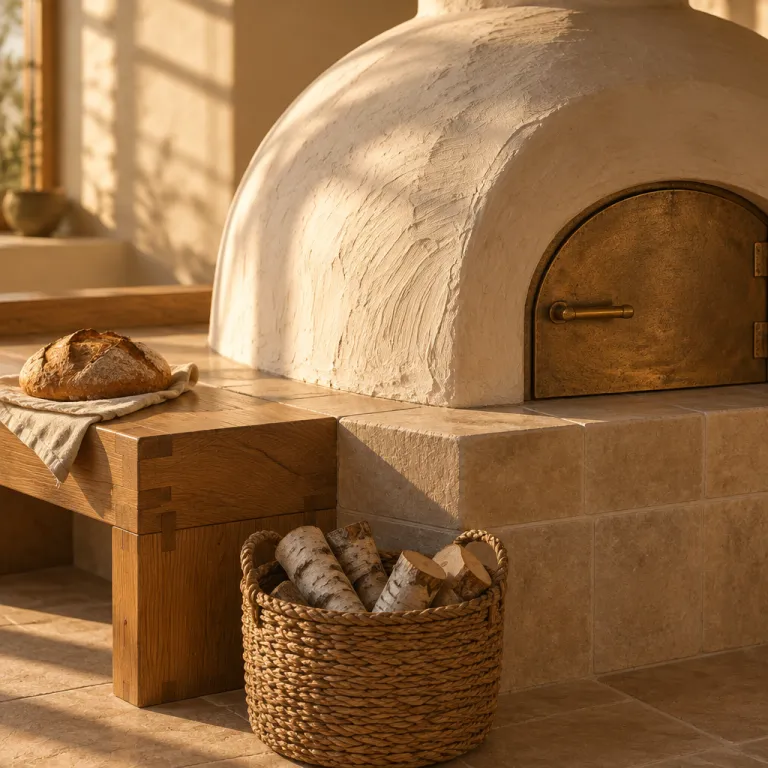
Hearth ovens in hotel architecture and FF&E strategy
The hearth oven as a strategic FF&E asset, not just a kitchen appliance
A well specified hearth oven now shapes both guest experience and long term asset value. When architects treat the hearth as a visible stage rather than a back of house utility, the oven becomes a signature product that anchors the entire food and beverage narrative. In many hotels, the glow of stone and wood at the heart of the lobby bar quietly signals craft, locality, and warmth while encouraging guests to linger and order more.
For design directors, the choice between a traditional masonry hearth oven and a modular steel shell with a stone deck defines spatial planning, ventilation strategy, and workflow. A compact open hearth pizza oven integrated into an island counter can cook at very high temperatures while still respecting acoustic comfort and sightlines for adjacent lounge seating. Asset managers view these ovens as long term investments, where durable stone interiors, robust temperature control systems, and certified safety features reduce maintenance costs and operational risk over the full life cycle.
Hospitality investors now ask how a visible hearth oven will bring incremental revenue through higher average checks and longer dwell times. When guests watch a team of chefs cook pizza and small plates in live flame, the perceived value of simple ingredients rises significantly. For FF&E suppliers, this shifts the conversation from selling a single oven to curating a family of coordinated products with matching finishes, accessories, and protective details that align with the brand’s design language and overall technology strategy.
Integrating hearth oven technology into architectural and MEP design
Early coordination between architecture, kitchen design, and MEP engineering is essential when specifying any hearth oven. The combination of intense heat, fluctuating temperatures, and live wood or gas flames demands precise control of airflows, clearances, and structural loads. A stone clad pizza oven weighing more than 1 000 kilograms will influence slab design, vibration criteria, and even the routing of exhaust ducts and make up air through the building core.
Technical directors should map the full workflow from delivery of wood or other fuel to ash removal and cleaning, ensuring that every movement of the back of house équipe remains safe and ergonomic. Where regulations restrict wood combustion, hybrid ovens that use gas for base heat and a small wood fire for aroma can maintain the sensory impact of a hearth while meeting emissions standards. These innovative configurations rely on integrated temperature sensors, digital control panels, and remote monitoring, which must be coordinated with electrical layouts and building management systems documented for CSRD and PEFCR reporting on energy use and embodied carbon; see this analysis of what design, FF&E and renovation teams now have to prove.
Fire safety consultants will insist on clear separation between the hot envelope of the oven and adjacent combustible FF&E, especially when stone cladding is combined with timber millwork. Designers should specify access panels, inspection hatches, and visible indicators for temperature and airflow control so that the operations team can react quickly to any anomaly. When these technical layers are resolved elegantly and the right technology is hidden behind the scenes, the guest only perceives a calm, glowing hearth that feels effortless.
FF&E selection around the hearth oven: materials, finishes, and durability
The FF&E ecosystem surrounding a hearth oven must withstand constant heat, grease, and traffic while still looking refined. Bar fronts, counters, and pass areas near the oven benefit from dense stone, sintered surfaces, or glazed tiles that tolerate high temperatures and repeated cleaning. Timber elements can still bring warmth, but they require careful setbacks from the oven opening and discreet metal trims at edges exposed to radiant heat and elevated surface temperatures.
Chairs, stools, and banquettes placed within the visual field of the hearth should be upholstered in fabrics or leathers with tested fire ratings and stain resistance, because guests often eat pizza and shared plates in these zones. Specifiers need to check that every product near the oven, from barstools to service trolleys, has glides and finishes that will not deform under slightly elevated floor temperatures during peak service and that can cope with hot spills. Mattress specifications for adjacent guest rooms may seem unrelated, yet the same performance logic applies; this review of how the hotelier mattress reshapes FF&E strategy shows how one high impact item can redefine expectations for the entire asset.
Lighting around the hearth oven deserves particular attention, because the flame itself is a dynamic source of light and heat. Designers should combine warm, dimmable fixtures with glare control so that the oven glow remains the visual focus without creating harsh contrasts or obscuring safety signage. When FF&E, lighting, and oven technology are specified as a coherent package, the result is a resilient stage where the culinary team can cook confidently night after night.
Operational workflow, safety, and guest interaction around the hearth
Once the hearth oven is installed, the real test lies in daily operations and safety. A well planned workflow allows the kitchen équipe to move between prep, oven, and pass without crossing guest paths or blocking emergency routes. Clear zoning lines on the floor, combined with subtle changes in stone or tile texture, can signal hot areas to both staff and guests and support intuitive wayfinding.
Operators should define strict temperature control protocols, including preheat times, holding temperatures between services, and cool down procedures that protect the oven structure. When chefs cook at very high temperatures for pizza service, they need tools, peels, and heat resistant gloves stored within arm’s reach but outside direct flame exposure. Safety features such as insulated handles, automatic gas shutoff valves, and visible temperature displays reduce risk while reassuring both staff and inspectors and simplifying training for new team members.
Guest interaction with the hearth oven must be choreographed as carefully as any show kitchen. Low walls, glass screens, or carefully placed counters can bring guests close enough to feel the heat and watch the team cook without compromising safety distances. Training programs should include not only fire safety and equipment handling, but also how to explain the oven technology, stone construction, and wood sourcing story in a way that enhances the brand narrative and supports upselling.
Sourcing hearth ovens and related FF&E: from product data to long term value
For asset managers and investors, the specification of a hearth oven is a capital decision that must be justified with clear data. Procurement teams should compare products on thermal efficiency, maximum and minimum temperatures, recovery time after door openings, and documented maintenance cycles. A pizza oven that reaches service temperature in under one hour with lower energy consumption will reduce operating costs and emissions over its lifetime.
When evaluating suppliers, design offices should request detailed product sheets that describe stone composition, insulation layers, burner technology, and certified safety features. References from comparable hotels or resorts provide evidence of how the oven performs under real service conditions, including how the heat affects adjacent finishes and how the workflow adapts during peak pizza demand. Contracts should define response times for technical support, spare parts availability, and clear contact channels for the operations équipe so that any issue can be resolved quickly.
FF&E sourcing around the hearth must follow the same disciplined approach, with life cycle costing that includes replacement intervals for seating, tables, and service equipment exposed to higher temperatures. Some operators now integrate sensors and digital technology into the bar and pass area to monitor heat, humidity, and usage, feeding this data into asset management platforms. This level of control allows owners to align the emotional appeal of a glowing hearth with measurable ROI on every euro invested in the surrounding FF&E.
Designing guest facing narratives: from hearth oven aesthetics to brand storytelling
The visual language of a hearth oven can express a brand’s entire positioning in a single glance. Rough stone, visible wood storage, and an open flame suggest rustic conviviality, while a sleek steel shell with precise temperature control signals contemporary craft and urban sophistication. Architects and hospitality designers should align these cues with the hotel’s overall narrative, from lobby art to in room amenities and spa materials.
Menu design plays a crucial role in translating oven capabilities into guest expectations, especially when pizza is only one element of a broader offer. When chefs cook vegetables, seafood, and desserts at different temperatures within the same hearth, the menu can highlight zones of the oven and explain how varying heat levels shape texture and flavor. This educative approach turns the oven into a talking point for the service team, encouraging guests to ask questions and deepening engagement.
Digital touchpoints can extend the story beyond the restaurant, with pre arrival emails, in room tablets, or lobby screens explaining the oven’s technology and safety features. Links to behind the scenes content, such as the design of guest room storage or wardrobe solutions discussed in this analysis of hotel guest room storage decisions, show how the same design rigor applies across the property. When every element, from hearth to headboard, is curated with this level of intent, guests perceive a coherent, trustworthy brand that respects both craft and comfort.
Key statistics shaping hearth oven adoption in hospitality
- According to Technomic’s consumer and menu trend reporting on experiential dining and open kitchens, open kitchen concepts featuring visible cooking equipment such as hearth ovens can increase average check value by roughly 10 to 15 percent, because guests are more likely to order items they see being prepared (see Technomic, "The Future of FSR: Open Kitchen Concepts," 2022, pp. 8–11).
- Data summarized by the National Restaurant Association indicate that high efficiency ovens with improved insulation and temperature control can reduce energy consumption by up to 20 percent compared with older models, which directly improves operating margins in hotel F&B outlets (National Restaurant Association, "Kitchen Innovations and Energy Efficiency," 2021, section "High-Efficiency Cooking Equipment").
- Research by the European Fire Safety Alliance shows that compliance with modern commercial kitchen fire safety standards can reduce the risk of major fire incidents by more than 50 percent, underlining the importance of certified safety features around any hearth (European Fire Safety Alliance, "Fire Safety in Commercial Cooking," 2020, executive summary).
- Market analyses from Euromonitor highlight that pizza remains one of the top three room service items globally by volume, which reinforces the strategic value of specifying a versatile pizza oven that can also handle broader menus (Euromonitor International, "Global Foodservice: Delivery and Room Service," 2021, figure 12).
- Studies on guest behavior in lifestyle hotels show that visible, experiential F&B zones can increase lobby dwell time by 20 to 30 percent, which correlates with higher bar revenue and stronger brand perception (for example, CBRE and JLL hospitality research on activated lobbies, 2019–2022, case studies of open hearth bar concepts).
FAQ about hearth ovens in hotel architecture and FF&E strategy
How early should a hearth oven be integrated into hotel design planning ?
The hearth oven should be defined during the initial concept and schematic design phases, because its weight, exhaust requirements, and heat output affect structure, MEP systems, and fire safety layouts. Late changes often trigger costly rework of shafts, beams, and finishes. Early coordination also allows the design team to align the oven’s aesthetics, technology, and guest facing story with the overall interior narrative.
What materials work best around a hearth oven in guest facing areas ?
Non combustible materials such as natural stone, porcelain slabs, glazed tiles, and metal trims perform best near the oven opening and flue. Timber and upholstery can still be used at greater distances, provided they meet local fire ratings and are protected from direct radiant heat and prolonged high temperatures. Designers should always verify manufacturer data on temperature tolerance and fire performance for each FF&E item placed in the hot zone.
Can a hearth oven support more than pizza on a hotel menu ?
Yes, most modern hearth ovens are designed to cook a wide range of dishes beyond pizza, including roasted vegetables, fish, meats, and baked desserts. Chefs can use different temperature zones within the oven to manage various cooking techniques during the same service. This versatility improves menu creativity, supports seasonal offers, and helps justify the capital investment.
How do hearth ovens impact ventilation and energy use in hotels ?
Hearth ovens require dedicated exhaust systems with carefully calculated airflows, which must be integrated into the building’s overall ventilation strategy. High efficiency models with strong insulation and precise temperature control can reduce energy consumption compared with older equipment, especially when preheat and idle modes are managed correctly. Collaboration between kitchen consultants, MEP engineers, and operators is essential to balance comfort, safety, and operating costs.
What should asset managers look for when evaluating hearth oven suppliers ?
Asset managers should prioritize certified safety features, documented performance data on temperatures and energy use, and clear warranties that cover both the oven structure and its control systems. References from comparable hotel projects provide insight into real world reliability and maintenance needs. Strong after sales support, including rapid access to spare parts, defined response times, and clear technical contact points, is critical for minimizing downtime.
References
- Technomic, consumer and menu trend reports on experiential dining and open kitchens, including "The Future of FSR: Open Kitchen Concepts," 2022, pp. 8–11.
- National Restaurant Association, energy efficiency and equipment performance guidelines for commercial kitchens, "Kitchen Innovations and Energy Efficiency," 2021, section "High-Efficiency Cooking Equipment."
- European Fire Safety Alliance, research on fire risk reduction in commercial cooking environments, "Fire Safety in Commercial Cooking," 2020, executive summary and key findings.