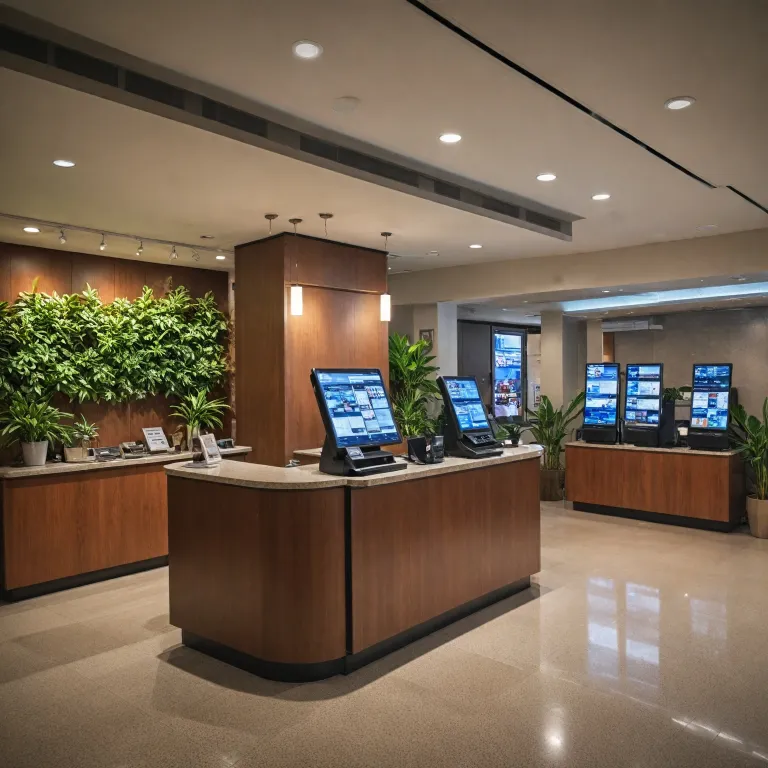
Assessing the property: identifying renovation needs and opportunities
Every successful hotel renovation begins with a comprehensive assessment of the property. For a small hotel, this process is crucial to identify areas showing signs time has taken its toll, such as wear tear in guest rooms, outdated lighting, or inefficient systems. Evaluating both the hotel exterior and interior spaces helps prioritize renovations that will most impact the guest experience and operational efficiency. Engaging an architect or designer early ensures that renovation ideas align with the hospitality industry’s evolving standards and the specific needs of your guests. During this phase, it is essential to consider the unique characteristics of your property, including room layouts, communal areas, and the overall flow of spaces. A detailed assessment also highlights opportunities for integrating eco friendly solutions and digital enhancements, which are increasingly important in modern hotel renovations. By focusing on both the visible and hidden aspects of the hotel, such as the property management system and back-of-house areas, you lay the groundwork for a renovation that elevates the guest experience and supports long-term success.
Strategic planning: balancing design, budget, and guest satisfaction
Strategic planning is the backbone of any renovation hotel project, especially for small hotels where resources and space are limited. Begin by developing a phased renovation plan that minimizes disruption to guests and maximizes efficiency. As highlighted in the dataset, engaging experienced professionals—such as architects, designers, and financial advisors—ensures that your renovation ideas are both creative and financially viable. During this stage, it is vital to consider the integration of a modern property management system, which streamlines operations and enhances the guest experience. Budgeting for hotel renovations should account for both visible upgrades, like new lighting and furnishings, and essential behind-the-scenes improvements, such as updated systems and eco friendly technologies. Incorporating digital solutions, such as smart room controls and mobile check-in, can further differentiate your small hotel in a competitive hospitality industry. For more insights on optimizing your renovation strategy, explore best practices for hotel project management. By carefully balancing design aspirations, budget constraints, and guest expectations, you create a renovation roadmap that delivers lasting value for your property and guests alike.
Designing guest rooms and public areas: maximizing comfort and flexibility
Designing guest rooms and public areas requires a thoughtful approach that prioritizes both aesthetics and functionality. In a small hotel, every square meter counts, making it essential to create spaces that are both inviting and adaptable. Focus on updating guest rooms with durable materials that withstand wear tear, while introducing lighting solutions that enhance ambiance and energy efficiency. Multi-functional furniture and flexible layouts can transform rooms and communal areas, accommodating diverse guest needs and optimizing space utilization. Consider integrating digital amenities, such as high-speed internet and in-room controls, to elevate the guest experience and streamline operations. The hospitality industry increasingly values eco friendly design, so select products and finishes that support sustainability without compromising style. For detailed guidance on FF&E selection and space planning, refer to expert advice on hotel room design. By reimagining both guest rooms and shared spaces, your renovation hotel project can create memorable experiences that encourage guests to return and recommend your property.
Implementing smart systems: enhancing efficiency and guest experience
Modern hotel renovations are defined by the integration of smart systems that improve both operational efficiency and guest satisfaction. Upgrading your property management system is a foundational step, enabling seamless coordination across booking channels, guest services, and maintenance. Smart room technologies, such as digital check-in, automated lighting, and personalized climate controls, offer guests a tailored experience while reducing energy consumption. As noted in the dataset, “Integration of smart room technologies for personalized guest experiences” is a key innovation in the hospitality industry. These systems not only enhance the guest experience but also provide valuable data for management, supporting continuous improvement. Eco friendly solutions, such as LED lighting and energy-efficient appliances, further contribute to sustainability goals and operational savings. When renovating hotel spaces, ensure that all digital upgrades are user-friendly and accessible to guests of all ages. By embracing technology, your small hotel can stay ahead of industry trends and deliver exceptional value to every guest.
Managing the renovation process: minimizing disruption and maintaining quality
Effective management is essential to the success of any hotel renovation, particularly in small hotels where guest comfort and operational continuity are paramount. Adopting a phased approach allows you to renovate guest rooms, public areas, and back-of-house spaces in stages, minimizing disruption to guests and staff. As the dataset advises, “Implement phased renovations, schedule work during off-peak seasons, and maintain clear communication with guests about ongoing improvements.” Utilizing project management software helps track progress, manage budgets, and coordinate with contractors and suppliers. Clear signage and regular updates ensure that guests feel informed and valued throughout the renovation period. It is also important to monitor for signs time is affecting the property, addressing issues promptly to maintain high standards. By prioritizing quality control and open communication, you safeguard your hotel’s reputation and ensure that renovations deliver the intended improvements in guest experience and operational efficiency. Collaborating closely with your team and partners, from architects to FF&E suppliers, is key to achieving a seamless renovation hotel project.
Post-renovation strategies: marketing, maintenance, and continuous improvement
Once renovations are complete, focus shifts to maximizing the impact of your investment through effective marketing and ongoing maintenance. Highlight the upgraded guest rooms, enhanced amenities, and new digital features across all booking channels to attract new and returning guests. Emphasize the eco friendly aspects of your renovation hotel project, as sustainability is increasingly valued by today’s travelers. Regular maintenance schedules help preserve the quality of renovated spaces and prevent wear tear from diminishing the guest experience. Monitor guest feedback to identify areas for further improvement and adapt your strategies accordingly. As noted in the dataset, “Most experts recommend renovating a hotel every five to seven years, with smaller updates happening more frequently.” By committing to continuous improvement and proactive management, your small hotel can maintain its competitive edge in the hospitality industry and deliver outstanding experiences for every guest.
Key statistics on small hotel renovation
- Average hotel renovation cost per room: 10,000 USD
- Energy savings from LED lighting: 75%
- Recommended hotel renovation cycle: every 5 years
Frequently asked questions about renovating a small hotel
How often should a hotel undergo renovations?
Most experts recommend renovating a hotel every five to seven years, with smaller updates happening more frequently.
What are the key areas to focus on during a hotel renovation?
Key areas include guest rooms, bathrooms, lobby, common areas, and incorporating modern technology and energy-efficient systems.
How can a hotel minimize guest disruption during renovations?
Implement phased renovations, schedule work during off-peak seasons, and maintain clear communication with guests about ongoing improvements.
What are the benefits of integrating smart room technologies in a small hotel?
Smart room technologies enhance the guest experience, improve operational efficiency, and support sustainability goals through energy savings and personalized services.
How can a small hotel ensure its renovation is eco friendly?
By selecting sustainable materials, installing energy-efficient systems, and incorporating eco friendly products and practices throughout the renovation process.