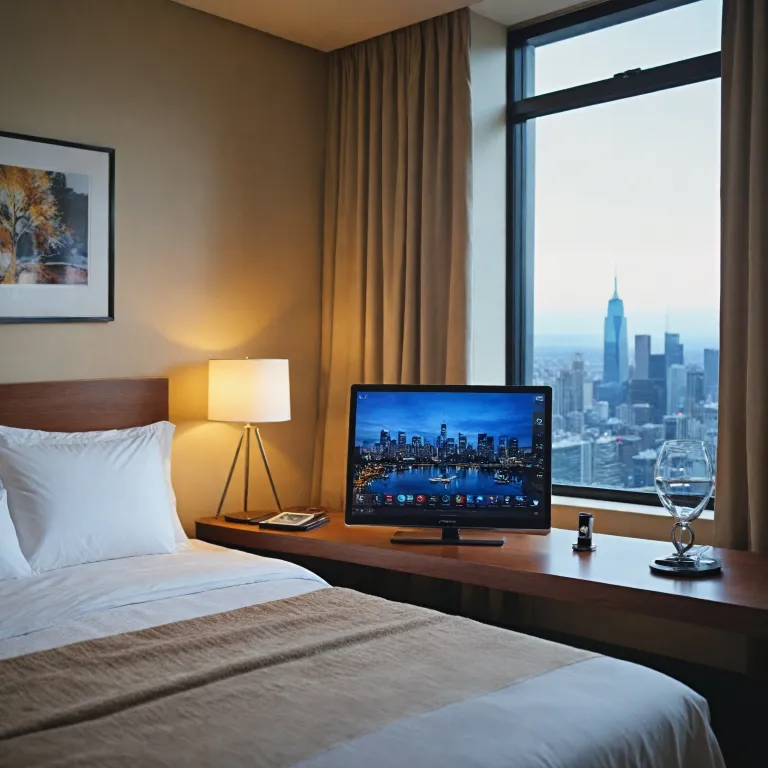
Smart room technology as a catalyst for modern hotel design
Smart room technology has become a defining element in the evolution of the hospitality industry, influencing architecture, design, FF&E, and renovation strategies. Today’s smart hotels are integrating IoT devices and artificial intelligence to create environments that respond intuitively to guest needs. The hotel industry is witnessing a shift where operational efficiency and guest experience are equally prioritized, with smart devices seamlessly embedded into guest rooms and public spaces. Architects and designers are challenged to reimagine spatial layouts, ensuring that smart technologies enhance, rather than disrupt, the ambiance. For example, Hilton Hotels’ Connected Room technology allows guests to control lighting, temperature, and entertainment through mobile apps, requiring thoughtful placement of sensors and interfaces. The integration of these technologies demands close collaboration between asset managers, technical directors, and FF&E suppliers to ensure that each device aligns with the hotel’s design narrative and sustainability goals. Smart rooms now feature eco friendly materials and energy-saving systems, supporting the hospitality industry’s commitment to green practices and long term value. The adoption of smart room technology also influences renovation cycles. Hotels must plan for the rapid evolution of devices and software, ensuring that infrastructure can accommodate future upgrades. This approach not only enhances guest experiences but also positions hotels as leaders in the modern hospitality landscape.Integrating IoT and mobile apps for seamless guest experiences
The integration of IoT and mobile apps is transforming the way guests interact with hotel environments. Smart hotels leverage the internet of things to connect devices such as thermostats, lighting, and entertainment systems, enabling guests to personalize their experience with a few taps on their smartphones. This seamless connectivity is central to the guest experience, as it offers both convenience and control. Marriott International’s IoT Guestroom Lab exemplifies how the hotel industry is experimenting with smart technologies to deliver tailored guest experiences. By analyzing data analytics from guest interactions, hotels can anticipate preferences and automate services, such as adjusting room temperature before arrival or suggesting personalized room service options. The use of mobile apps extends beyond the guest room, allowing for contactless check-in, keyless entry, and real-time communication with hotel staff. For asset managers and investors, the adoption of smart room technology presents opportunities to enhance operational efficiency and reduce costs. Automated systems can monitor energy usage, optimize housekeeping schedules, and streamline maintenance, contributing to both environmental and financial sustainability. To explore more about smart hotels and their impact on guest satisfaction, see smart hospitality solutions.FF&E innovation: balancing aesthetics, function, and smart devices
The evolution of FF&E in smart hotels requires a delicate balance between aesthetics, functionality, and technology integration. Designers and FF&E suppliers are tasked with sourcing furnishings that not only complement the hotel’s visual identity but also accommodate embedded smart devices and connectivity requirements. The challenge lies in ensuring that technology enhances the guest experience without compromising the room’s comfort or style. Boutique properties like Eccleston Square Hotel in London have set benchmarks by integrating smart glass bathrooms and in-room tablets, demonstrating how FF&E can support both luxury and innovation. The selection of materials and finishes must consider the environmental impact, aligning with the hospitality industry’s push for green and eco friendly solutions. Smart rooms are increasingly equipped with modular furniture that allows for easy upgrades as new technologies emerge, supporting long term operational efficiency. FF&E procurement now involves close collaboration with technology partners, ensuring that devices such as smart thermostats, voice assistants, and wireless charging stations are seamlessly incorporated. This approach not only elevates guest experiences but also future-proofs hotel assets. For a deeper dive into FF&E trends in smart hotels, visit innovative FF&E strategies for smart hospitality.Operational efficiency and data-driven management in smart hotels
Smart hotels are leveraging data analytics and artificial intelligence to drive operational efficiency and enhance guest experiences. By collecting and analyzing data from smart devices and mobile apps, hotel operators can gain insights into guest behavior, preferences, and usage patterns. This information enables more informed decision-making, from optimizing energy consumption to personalizing services and amenities. AI-powered concierge services and virtual reality tools are becoming standard in modern hotels, offering guests instant access to information and immersive experiences. For example, Resorts World Las Vegas utilizes a digital concierge accessible via mobile app, streamlining room service requests and providing tailored recommendations. The integration of smart technologies also supports predictive maintenance, reducing downtime and extending the lifespan of critical systems. The hospitality industry is increasingly focused on sustainability, with smart hotels implementing green technologies to minimize environmental impact. Automated lighting and climate control systems reduce energy consumption, while data-driven housekeeping schedules optimize resource allocation. These innovations contribute to both guest satisfaction and long term profitability, reinforcing the value of smart room technology in the hotel industry.Personalization and the evolving guest experience with smart rooms
Personalization is at the heart of the guest experience in smart hotels. Through the integration of IoT devices, mobile apps, and data analytics, hotels can offer tailored services that anticipate and exceed guest expectations. Guests can customize lighting, temperature, and entertainment options, creating a home-like environment that enhances comfort and satisfaction. Virgin Hotels’ Lucy app exemplifies how mobile apps empower guests to control room settings, request services, and access information with ease. The use of artificial intelligence and virtual reality further enriches the guest journey, offering interactive experiences and personalized recommendations. As one expert notes, “Smart room technologies enhance the guest experience by providing personalized control over room settings, improving convenience through automation, and offering innovative amenities like AI concierges and keyless entry.” The hospitality industry is also embracing eco friendly practices, with smart rooms designed to minimize environmental impact through energy-efficient devices and sustainable materials. This commitment to green solutions resonates with modern travelers, who increasingly prioritize environmental responsibility. The result is a guest experience that is both technologically advanced and environmentally conscious, setting new standards for the hotel industry.Long term value and future trends in smart hotel renovation
The adoption of smart room technology is shaping the long term value of hotel assets and influencing renovation strategies across the hospitality industry. As guest expectations evolve, hotels must continuously invest in upgrading smart devices, software, and infrastructure to remain competitive. This ongoing commitment to innovation ensures that hotels can deliver exceptional guest experiences while optimizing operational efficiency. Renovation projects now prioritize flexibility, with modular designs and adaptable FF&E solutions that accommodate future technological advancements. The integration of smart technologies supports predictive maintenance, reducing costs and extending asset lifecycles. Asset managers and investors recognize the importance of staying ahead of trends, as smart hotels consistently outperform traditional properties in guest satisfaction and operational metrics. The hotel industry’s focus on green and eco friendly solutions is driving the adoption of energy-efficient systems and sustainable materials in renovation projects. By leveraging data analytics and artificial intelligence, hotels can monitor performance, identify opportunities for improvement, and deliver personalized services that enhance guest loyalty. The future of smart hotels lies in their ability to anticipate and adapt to changing demands, ensuring long term success in a dynamic market.Key statistics: the impact of smart room technology in the hospitality industry
- 56% of hotels feel pressure to upgrade technology, reflecting the rapid pace of innovation in the hospitality industry.
- 54% of travelers prefer mobile check-in and key systems, highlighting the growing demand for seamless, technology-driven guest experiences.
Frequently asked questions about hotels with smart room technology
What are smart room technologies in hotels?
Smart room technologies refer to the integration of IoT devices and systems that allow guests to control various aspects of their hotel room, such as lighting, temperature, and entertainment, often through mobile apps or voice commands.
Which hotels offer smart room features?
Many hotels worldwide offer smart room features, including Hilton's Connected Room, Marriott's IoT Guestroom Lab, Eccleston Square Hotel in London, Resorts World Las Vegas, and Virgin Hotels.
How do smart room technologies enhance the guest experience?
Smart room technologies enhance the guest experience by providing personalized control over room settings, improving convenience through automation, and offering innovative amenities like AI concierges and keyless entry.
What are the environmental benefits of smart room technology in hotels?
Smart room technology supports green and eco friendly initiatives by reducing energy consumption through automated lighting and climate control, optimizing housekeeping schedules, and enabling the use of sustainable materials in guest rooms and public spaces.
How do smart hotels ensure long term value for investors and asset managers?
Smart hotels ensure long term value by adopting modular designs, leveraging data analytics for predictive maintenance, and continuously upgrading technology to meet evolving guest expectations and operational demands.