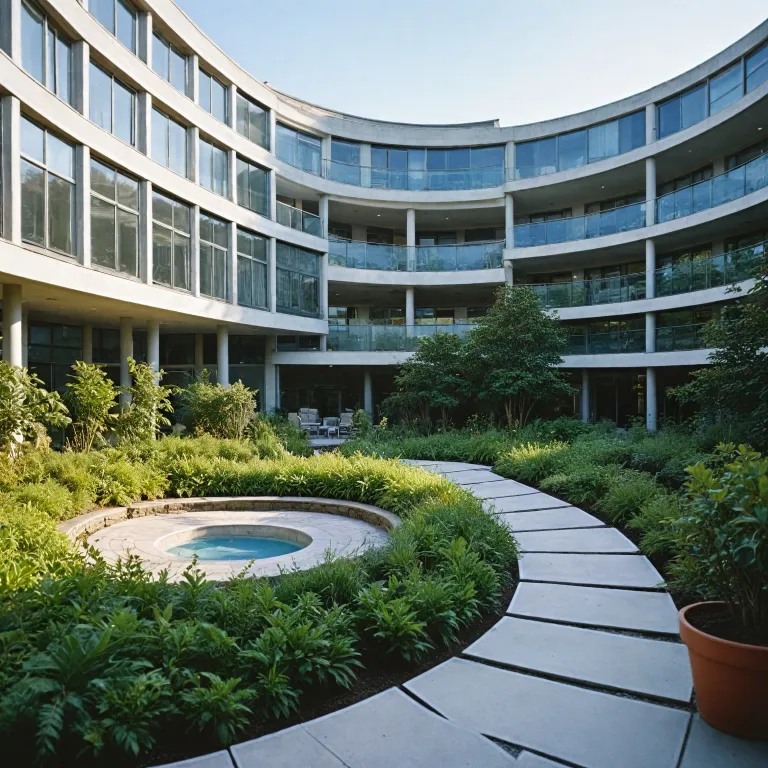
Integrating circular design and taxation for sustainable hospitality projects
In the hospitality industry, the intersection of circular design and taxation is reshaping how architects, designers, and asset managers approach renovation and FF&E strategies. The shift from a linear economy to a circular economy is driven by the urgent need to reduce resource consumption and environmental impact. Circular design principles prioritize the use of renewable resources, the extension of goods’ lifecycles, and the minimization of waste through innovative production and consumption models. Taxation plays a pivotal role in this transition, as fiscal policy and environmental taxes can incentivize sustainable practices across the supply chain. For instance, resource taxes and reduced VAT on repair services encourage the reuse and refurbishment of materials, aligning economic models with environmental objectives. Hospitality projects that embrace circular taxation frameworks not only reduce their reliance on raw materials but also position themselves as leaders in environmental stewardship. The adoption of circular economy principles, supported by a robust tax system, is essential for long-term competitiveness and compliance with evolving policy landscapes.
Policy frameworks and fiscal instruments driving the circular economy in hospitality
Effective tax policy is central to the successful implementation of circular economy strategies within hospitality architecture and renovation. Policymakers are increasingly introducing environmental taxes and fiscal incentives to encourage the use of renewable resources and reduce the environmental footprint of production and consumption. The European Environmental Bureau (EEB) and the Ellen MacArthur Foundation have been instrumental in advocating for circular taxation, highlighting the need for a systemic shift in how resources are valued and taxed. Circular taxation mechanisms, such as landfill taxes and resource taxes on raw materials, are designed to discourage wasteful practices and promote the adoption of sustainable materials. By integrating these fiscal policies into project planning, asset managers and technical directors can optimize both short term and long term economic outcomes. The transition to a circular economic system requires collaboration between governments, industry stakeholders, and suppliers to ensure that tax systems support open access to sustainable solutions. For more insights on the impact of fiscal policy on circular design, see this comprehensive guide on circular economy tax incentives.
Design strategies for maximizing resource efficiency and minimizing taxation burdens
Architects and designers in the hospitality sector are increasingly adopting circular design strategies to align with evolving tax systems and environmental regulations. By selecting renewable materials and designing for disassembly, project teams can reduce their exposure to resource taxes and environmental taxes. The integration of modular FF&E solutions allows for easier maintenance, repair, and reuse, supporting the principles of the circular economy. Sustainable taxation frameworks reward projects that prioritize the use of recycled goods and renewable resources, creating a competitive advantage for forward-thinking firms. The use of computable general equilibrium (CGE) models and environmental impact assessments helps quantify the benefits of circular design in terms of both fiscal savings and reduced environmental impact. As the economic model shifts towards circularity, supply chain partners must collaborate to ensure that materials and goods are sourced and managed in accordance with circular taxation requirements. For practical examples of successful circular design in hospitality, explore this resource on sustainable FF&E procurement.
Taxation and the supply chain: optimizing production and consumption for circularity
The hospitality industry’s supply chain is a critical focal point for implementing circular taxation and circular economy principles. Tax policy can influence every stage of the supply chain, from the extraction of raw materials to the final consumption of goods and services. Environmental taxes and resource taxes encourage suppliers to adopt renewable resources and reduce reliance on non-renewable inputs. Asset managers and investors are increasingly evaluating the fiscal implications of their procurement decisions, recognizing that sustainable taxation can drive both cost savings and environmental benefits. The transition circular approach requires a holistic understanding of the economic system, where production consumption cycles are optimized for resource efficiency. Open access to information and collaboration among suppliers, designers, and technical teams is essential for achieving compliance with circular taxation policies.
Economic models and fiscal policy: enabling the transition to a circular hospitality sector
Adopting a circular economic model in hospitality architecture and renovation demands a fundamental rethinking of fiscal policy and taxation systems. Traditional linear economy models are increasingly unsustainable, leading to resource depletion and environmental degradation. Circular taxation frameworks, such as those advocated by the European Environmental Bureau, are designed to support the transition to a circular economy by incentivizing the use of renewable resources and penalizing wasteful practices. Sustainable taxation policies can include reduced taxes on repair services, environmental taxes on landfill use, and resource taxes on virgin materials. The economic system must evolve to reward projects that minimize consumption renewable and maximize the use of recycled materials. The integration of circular design and taxation is not only a regulatory requirement but also a strategic opportunity for hospitality stakeholders to enhance their environmental and economic performance. As one expert notes, "Circular taxation involves implementing tax policies that promote the principles of a circular economy, such as resource efficiency and waste reduction."
Challenges and opportunities in implementing circular taxation in hospitality renovation
While the benefits of circular taxation and circular economy principles are clear, the hospitality sector faces several challenges in implementation. Navigating complex tax systems and aligning fiscal policy with project objectives requires expertise and collaboration across disciplines. The availability of renewable materials and the integration of sustainable practices into existing supply chains can be constrained by market dynamics and regulatory barriers. However, the growing emphasis on environmental taxes and the increasing implementation of resource taxes in Europe signal a positive shift towards more sustainable economic models. Asset managers and investors must stay informed about evolving tax policy and leverage open access to best practices and case studies. By embracing circular design and taxation, hospitality projects can reduce their environmental impact, optimize resource use, and achieve long term value creation. For further reading, consult the European Environmental Bureau, Ellen MacArthur Foundation, and KPMG Belgium for authoritative guidance on circular taxation and the circular economy.
Key statistics on circular design and taxation in hospitality
- Global material use in 2017: 89 gigatons (OECD)
- Projected global material use by 2060: 167 gigatons (OECD)
- Percentage of global greenhouse gas emissions from material use: 60% (OECD)
Frequently asked questions on circular design and taxation in hospitality
What is circular taxation?
Circular taxation involves implementing tax policies that promote the principles of a circular economy, such as resource efficiency and waste reduction.
How does circular design relate to taxation?
Circular design focuses on creating products that are easier to repair, reuse, and recycle. Taxation policies can incentivize such designs by imposing taxes on virgin materials and offering tax breaks for sustainable practices.
What are examples of circular taxation policies?
Examples include resource taxes on raw materials, reduced VAT rates on repair services, and landfill taxes to discourage waste disposal.
What are the main objectives of integrating circular design and taxation?
The main objectives are to reduce resource consumption, encourage recycling and reuse, and minimize environmental impact in the hospitality sector.
How can hospitality projects benefit from circular taxation?
Projects benefit by reducing costs, enhancing sustainability, and complying with evolving environmental regulations through optimized resource use and fiscal incentives.