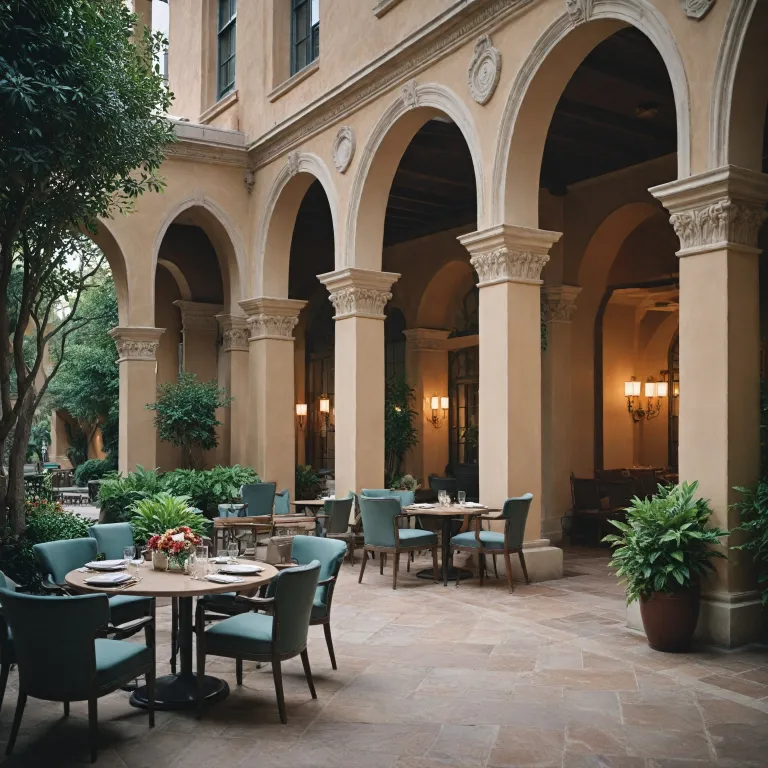
Historic evolution of marriott wardman park dc: from hotel icon to urban redevelopment
The marriott wardman park dc stands as a testament to the dynamic evolution of hospitality architecture in Washington. Originally developed by Harry Wardman and designed by Frank Russell White, the hotel quickly became a landmark in the city, renowned for its grand rooms, extensive facilities, and prime location in the Woodley Park area. Over the decades, the property expanded, with the addition of the Wardman Tower and later the transformation into a marriott hotel, solidifying its reputation among hotels in the United States.
As the hospitality industry in Washington faced new challenges, the marriott wardman park dc adapted its business model, offering a range of rooms and event spaces to meet the demands of both business and leisure travelers. The hotel’s proximity to national attractions, such as the Washington National Zoo and the heart of the city, made it a preferred choice for guests seeking both convenience and luxury. The property’s facilities, including an outdoor swimming pool, flat screen amenities, and kitchen electric options like electric kettles, contributed to consistently good reviews and a strong presence among hotels washington and hotel washington competitors.
Despite its storied past, the marriott wardman park dc was not immune to the economic pressures brought on by the COVID-19 pandemic. Financial difficulties ultimately led to its closure, marking the end of an era for this iconic washington marriott. As redevelopment plans take shape, the legacy of the park hotel continues to influence the architectural and design decisions guiding its transformation into residential units, ensuring that the spirit of the original wardman park remains integral to the site’s future.
Architectural heritage and design considerations in the wardman park transformation
Preserving the architectural integrity of the marriott wardman park dc during its redevelopment presents unique challenges for architects, designers hospitality professionals, and asset managers. The original structure, with its blend of classic and modern elements, set a benchmark for hotels in the area and across the united states. As Carmel Partners leads the redevelopment, there is a strong emphasis on maintaining the historical significance of the wardman tower and other key features that defined the hotel washington experience.
Design teams are tasked with integrating contemporary residential needs while respecting the legacy of the marriott wardman. This involves careful selection of FF&E (furniture, fixtures, and equipment) that echoes the sophistication of the former hotel rooms and public spaces. The transition from hotel to residential property requires innovative solutions to repurpose existing facilities, such as the outdoor swimming pool and communal areas, ensuring they serve the new residents while retaining their connection to the site’s hospitality roots.
Collaboration between architects, asset managers, and suppliers is essential to balance the demands of modern urban living with the preservation of historic elements. The redevelopment also considers the broader context of the Woodley Park neighborhood, leveraging its vibrant life, proximity to the city center, and access to amenities. For further insights on integrating heritage into contemporary design, explore best practices in hospitality renovation.
FF&E strategies for adaptive reuse: lessons from marriott wardman park dc
Adaptive reuse of the marriott wardman park dc highlights the critical role of FF&E strategies in hospitality redevelopment. The transition from a star-rated hotel to a residential property necessitates a comprehensive review of existing FF&E inventories, including flat screen televisions, kitchen electric appliances, and electric kettles that once enhanced the guest experience. Asset managers and suppliers must evaluate which elements can be repurposed or upgraded to meet the expectations of future residents.
In the context of the marriott wardman, the vast number of rooms and public spaces offered both challenges and opportunities for FF&E optimization. The hotel’s reputation for good reviews was built on the quality of its facilities and amenities, which now inform the selection of materials and products for the new development. The integration of sustainable and durable FF&E solutions is paramount, ensuring that the property continues to deliver value in its new life as a residential complex.
Collaboration with bureaux d’études and FF&E suppliers is crucial to align the project’s objectives with market trends and regulatory requirements. The redevelopment also provides a model for other hotels washington and hotel washington properties facing similar transitions. For a detailed case study on FF&E in adaptive reuse, visit FF&E transformation in hospitality projects.
Project management and technical direction in large-scale hospitality renovations
Managing the redevelopment of the marriott wardman park dc requires a multidisciplinary approach, bringing together directions techniques, project managers, and construction teams. The scale of the property, with over 1,100 rooms and extensive event facilities, demands meticulous planning and coordination. Technical teams must address the complexities of demolishing existing structures while preserving key architectural features, such as the wardman tower, that contribute to the site’s historical value.
Effective project management ensures that the transformation from hotel to residential units adheres to timelines, budget constraints, and quality standards. The involvement of partners like Carmel Partners and Wells Fargo underscores the importance of robust financial and operational oversight. Technical direction also extends to the integration of modern amenities, such as outdoor swimming pools and advanced kitchen electric systems, which enhance the appeal of the new development.
Asset managers play a pivotal role in aligning the project’s objectives with market demands, ensuring that the redevelopment meets the needs of future residents while honoring the legacy of the marriott wardman.
Economic impact and investment perspectives in the washington hospitality market
The closure and redevelopment of the marriott wardman park dc have significant implications for investors, asset managers, and the broader Washington hospitality market. The property’s sale for over 152 million dollars reflects the enduring value of prime real estate in the city, even as the hospitality sector faces unprecedented challenges. The transition from hotel to residential units aligns with increased demand for housing in urban areas, particularly in vibrant neighborhoods like Woodley Park.
Investors are closely monitoring the redevelopment’s progress, recognizing the potential for strong returns in a market characterized by limited supply and high demand. The marriott wardman’s transformation also serves as a case study for other hotels washington and hotel washington properties considering adaptive reuse strategies. The project’s success hinges on the ability to balance historical preservation with contemporary market needs, leveraging the site’s location, facilities, and reputation for good reviews.
As the redevelopment nears completion, the property is expected to contribute to the revitalization of the Woodley Park area, enhancing the city’s appeal to residents and visitors alike. The integration of amenities such as outdoor swimming pools, modern kitchen electric appliances, and communal spaces ensures that the legacy of the marriott wardman park dc continues to shape the future of urban living in Washington.
Community integration and the future of hospitality-driven urban development
The marriott wardman park dc redevelopment exemplifies the evolving relationship between hospitality properties and urban communities. By transforming a historic hotel into residential units, the project addresses the growing need for housing while preserving elements of the site’s architectural heritage. The Woodley Park neighborhood, known for its vibrant life and proximity to national landmarks, benefits from the infusion of new residents and amenities.
Community engagement is central to the redevelopment process, with stakeholders collaborating to ensure that the project aligns with local needs and aspirations. The preservation of iconic features, such as the wardman tower and communal facilities, fosters a sense of continuity and identity within the area. The project also sets a precedent for other hotels washington and hotel washington properties seeking to adapt to changing market conditions.
As urban development in the united states increasingly incorporates hospitality-driven principles, the marriott wardman park dc serves as a model for integrating design, FF&E, and community engagement. The project’s success demonstrates the potential for adaptive reuse to create vibrant, sustainable neighborhoods that honor the past while embracing the future.
Expert insights and verified statistics on marriott wardman park dc
- Number of hotel rooms before closure: 1,152 rooms
- Event space before closure: 195,000 square feet
- Sale price of property in 2021: 152.2 million dollars
Frequently asked questions about marriott wardman park dc
What was the Washington Marriott Wardman Park?
It was a historic hotel in Washington, D.C., known for hosting significant events and notable guests.
Why did the hotel close?
The hotel faced financial difficulties, exacerbated by the COVID-19 pandemic, leading to its permanent closure in 2020.
What is the current status of the property?
The property is being redeveloped into residential units, with completion expected in 2025.
Are there alternative accommodations in the area?
The hotel is permanently closed; alternative accommodations should be considered. The Woodley Park neighborhood offers various dining and shopping options.
What is the expected impact of the redevelopment?
The redevelopment is expected to provide new housing options in the Woodley Park neighborhood while maintaining historical significance.
References: en.wikipedia.org, marriott.com, carmelpartners.com