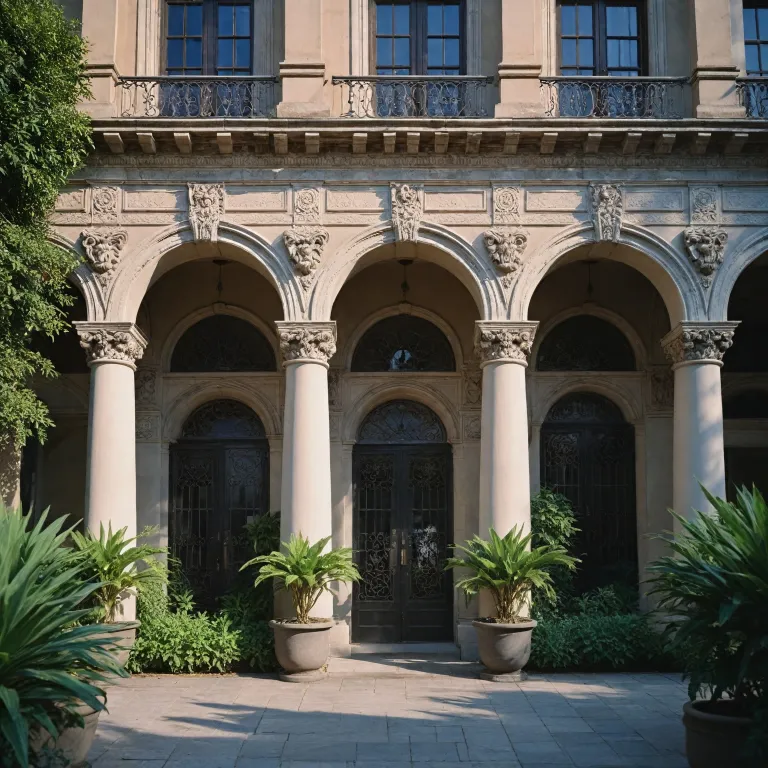
The architectural evolution of marriott wardman dc: from historic hotel to modern residences
The marriott wardman dc, once a flagship hotel in the heart of washington, stood as a testament to the city’s rich architectural heritage. Developed by Harry Wardman and designed by Frank Russell White, the original wardman park hotel opened its doors in the early twentieth century, quickly becoming a symbol of luxury and innovation in the united states hospitality landscape. Over the decades, the property expanded with the addition of the wardman tower and later transformations, reflecting evolving design philosophies and the growing demands of business and leisure travelers. The hotel’s facilities were renowned for their scale and versatility, boasting 1,152 rooms and 195,000 square feet of event space. These features positioned the marriott wardman dc as a premier destination for international conferences, national gatherings, and city events. Its location in the woodley park area, adjacent to the national zoo and surrounded by lush parkland, offered guests a unique blend of urban convenience and natural tranquility. The property’s reviews often highlighted the spacious rooms, modern amenities like flat screen televisions and electric kettles, and the inviting outdoor swimming pool, which contributed to its reputation for good reviews and fabulous reviews among hotels washington.FF&E and design strategies: balancing heritage and contemporary needs
The transformation of the marriott wardman dc from a hotel to residential units required a nuanced approach to FF&E (furniture, fixtures, and equipment) and design. Asset managers and design teams faced the challenge of preserving the historical character of the wardman tower while introducing modern comforts expected by today’s residents. The original hotel’s interiors, known for their elegant wood finishes and grand public spaces, inspired the selection of high-quality materials and bespoke furnishings in the new development. A key focus was the integration of kitchen electric appliances and electric kettles into each unit, reflecting the shift from transient hotel rooms to permanent homes. The redevelopment also prioritized energy efficiency and sustainability, aligning with the expectations of both investors and future residents. The marriott wardman dc’s legacy as a park hotel influenced the landscaping strategy, ensuring that outdoor swimming areas and communal gardens echoed the property’s historic connection to the surrounding park and city life. For further insights into FF&E trends and supplier innovations, explore this comprehensive guide to hospitality design here.Redevelopment challenges: managing large-scale demolition and construction
The closure and subsequent redevelopment of the marriott wardman dc presented significant technical and logistical challenges. The demolition of the main hotel structure required meticulous planning to minimize disruption to the woodley park neighborhood and preserve the iconic wardman tower. Construction teams utilized advanced equipment and sustainable demolition practices to ensure safety and environmental responsibility. The transition from hotel to residential property involved reimagining the use of space, converting former hotel rooms and event facilities into modern living units. Asset managers coordinated closely with architects and engineers to optimize layouts, maximize natural light, and maintain the building’s structural integrity. The redevelopment, supported by a $360 million dollar loan, exemplifies the scale of investment required for such projects in the united states. For a deeper exploration of large-scale hospitality renovations, visit this resource on adaptive reuse in urban environments here.Preserving historical significance: the enduring legacy of wardman tower
While much of the marriott wardman dc has been transformed, the wardman tower remains a preserved landmark, now offering luxury condominiums. This approach demonstrates a commitment to maintaining the architectural and cultural heritage of washington hotels, even as the broader property evolves. The tower’s restoration involved careful attention to original design elements, including façade details and interior finishes, ensuring that its historical value is retained for future generations. The preservation of the wardman tower serves as a model for balancing new development with respect for the past. Reviews of the new residences often mention the seamless blend of historic charm and modern amenities, such as flat screen televisions and contemporary kitchen electric installations. The project’s success has garnered fabulous reviews from both residents and architectural critics, reinforcing the importance of thoughtful renovation in the hospitality and real estate sectors.Market dynamics and investment: the business case for adaptive reuse
The marriott wardman dc’s transformation reflects broader trends in the hospitality and real estate markets, where adaptive reuse of hotels is increasingly favored over new construction. Investors and asset managers recognize the value of prime locations like woodley park, where proximity to the city center, national institutions, and public transport enhances the appeal of both hotels and residential properties. The sale of the property for 152.2 million dollars and the subsequent investment in redevelopment underscore the strong demand for urban housing in washington and other major united states cities. Business strategies for such projects must account for shifting consumer preferences, regulatory requirements, and the need for sustainable design. The marriott wardman dc’s redevelopment demonstrates how hotels can be repositioned to meet evolving market needs while preserving their unique identity. Good reviews and positive feedback from residents and stakeholders highlight the importance of aligning design, FF&E, and operational strategies with the expectations of today’s urban dwellers.Guest experience and community integration: lessons from marriott wardman dc
The legacy of the marriott wardman dc extends beyond its physical transformation, offering valuable lessons for architects, designers, and hospitality professionals. The property’s integration with the surrounding park and city life created a vibrant community hub, attracting both local residents and international visitors. Facilities such as the swimming pool, event spaces, and landscaped gardens contributed to a sense of belonging and well-being. As the site transitions to residential use, maintaining this spirit of community remains a priority. The inclusion of amenities like outdoor swimming areas, communal lounges, and flexible workspaces reflects the changing needs of urban populations. Reviews from former hotel guests and new residents alike emphasize the importance of location, accessibility, and quality of life in determining the success of such projects. As one verified quote states, “The Washington Marriott Wardman Park Hotel was a historic hotel in Washington, D.C., that operated from 1918 until its closure in 2020.” This perspective underscores the enduring impact of thoughtful design and adaptive reuse in shaping the future of hospitality and urban living.Key statistics: marriott wardman dc transformation
- Number of hotel rooms before closure: 1,152 rooms
- Total event space before closure: 195,000 square feet
- Sale price of property in 2021: 152.2 million USD
- Loan amount secured for redevelopment in 2023: 360 million USD
Frequently asked questions about marriott wardman dc
What was the Washington Marriott Wardman Park Hotel?
The Washington Marriott Wardman Park Hotel was a historic hotel in Washington, D.C., that operated from 1918 until its closure in 2020.
Why did the hotel close permanently?
The hotel closed permanently in 2020 due to the economic impact of the COVID-19 pandemic.
What is being built on the former hotel site?
The site is being redeveloped into residential units by Carmel Partners, with completion expected in 2025.
Is the Wardman Tower still standing?
Yes, the Wardman Tower, built in 1928, remains standing and has been converted into luxury condominiums.