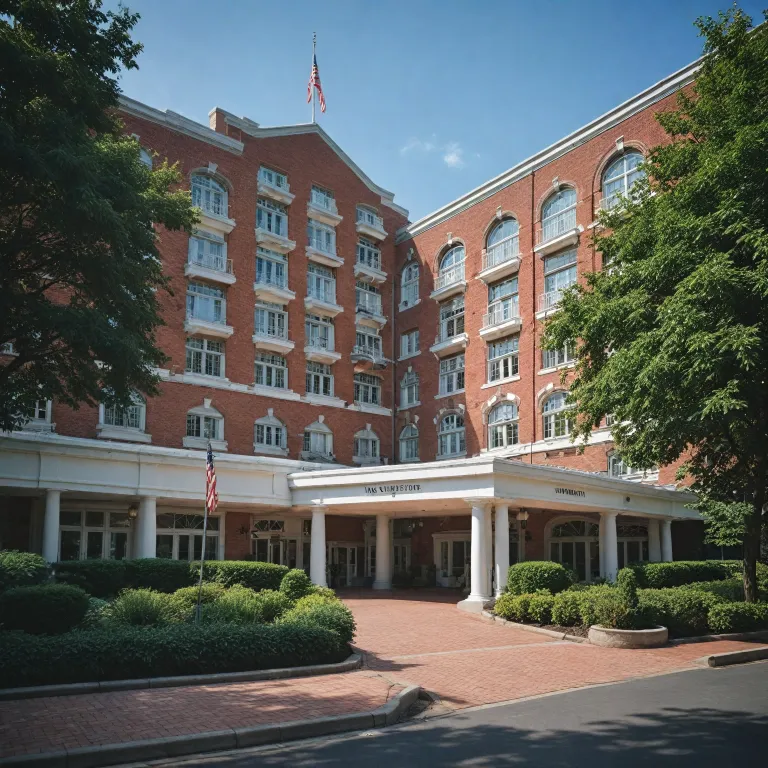
The architectural evolution of the Washington Marriott Wardman: from grand hotel to urban landmark
The Washington Marriott Wardman stands as a testament to the dynamic interplay between architecture, hospitality, and urban development in the United States. Originally developed by Harry Wardman and designed by Frank Russell White, the hotel opened its doors in the Woodley Park area, quickly becoming a defining feature of the city’s hospitality landscape. The property’s location, adjacent to the lush expanse of Rock Creek Park, offered guests a unique blend of urban convenience and natural tranquility, setting it apart from other hotels in Washington. Over time, the hotel expanded, with the Wardman Tower annex—crafted by Mihran Mesrobian—adding architectural depth and historical significance to the site. The evolution of the Washington Marriott Wardman reflects broader trends in hotel design, where the integration of park views, spacious rooms, and modern facilities became essential for attracting both business and leisure travelers. The property’s transformation over the decades, including its tenure as a Marriott hotel, illustrates the shifting priorities in hospitality, from grand public spaces and event venues to more intimate, guest-centric experiences. The enduring presence of the Wardman Tower, even after the main hotel’s closure, highlights the importance of preserving architectural heritage while adapting to contemporary needs.
FF&E strategies and design challenges in large-scale hospitality renovations
Renovating a property of the Washington Marriott Wardman’s scale presents unique challenges for architects, designers, and asset managers. With over 1,150 rooms and 195,000 square feet of event space, the hotel required a sophisticated approach to FF&E (furniture, fixtures, and equipment) selection and placement. The diversity of room types, from standard accommodations to luxury suites in the Wardman Tower, demanded tailored solutions that balanced aesthetics, durability, and operational efficiency. Marriott International’s stewardship of the property emphasized the importance of aligning FF&E choices with brand standards while respecting the historical character of the building. The integration of modern amenities, such as flat screen televisions, electric kettles, and kitchen electric appliances, was essential for meeting guest expectations in both business and leisure segments. The hotel’s extensive facilities—including multiple dining venues, bars, and an outdoor swimming pool—required coordinated FF&E strategies to ensure a cohesive guest experience across the property. Asset managers and suppliers faced the ongoing challenge of sourcing materials that met the rigorous demands of high-traffic areas, particularly in a city as active as Washington. For those seeking further insights into FF&E best practices in hospitality, the comprehensive resource on hotel FF&E procurement strategies provides valuable guidance for industry professionals.
Adaptive reuse and the preservation of the Wardman Tower: balancing heritage and innovation
The closure of the Washington Marriott Wardman Park Hotel marked a pivotal moment in the property’s history, prompting a shift from hospitality to residential use. Adaptive reuse emerged as a central theme, with developers and architects tasked with transforming the site while honoring its architectural legacy. The preservation of the Wardman Tower, a landmark structure with a storied past, became a focal point for the redevelopment project led by Carmel Partners. This approach aligns with the growing trend of repurposing historic hotels in urban areas to address evolving housing demands. The challenge lay in integrating modern residential amenities—such as updated kitchens with electric kettles and flat screen appliances—without compromising the tower’s distinctive character. The project’s success demonstrates the potential for innovative design solutions that respect both the past and the future. As the site transitions from a hotel to a residential property, the Wardman Tower continues to serve as a tangible link to Washington’s architectural and social history. For a deeper exploration of adaptive reuse in hospitality, the article on transforming historic hotels into residences offers a detailed analysis of best practices and case studies.
Operational excellence and guest experience: lessons from the Washington Marriott Wardman
Throughout its operation, the Washington Marriott Wardman set benchmarks for service, facilities, and guest satisfaction in the competitive Washington hotel market. The property’s extensive event spaces attracted national and international conferences, making it a hub for business and cultural exchange in the city. The hotel’s location near the Washington National Zoo, Ronald Reagan Washington National Airport, and key city attractions enhanced its appeal for both leisure and business travelers. Reviews consistently highlighted the quality of the rooms, the convenience of the park hotel setting, and the variety of dining options available on site. The inclusion of amenities such as an outdoor swimming pool, business centers, and well-equipped rooms with kitchen electric features contributed to the hotel’s reputation for operational excellence. The ability to adapt to changing guest preferences—whether through updated room designs, enhanced bar and dining experiences, or the integration of technology—was critical to the property’s sustained success. The Washington Marriott Wardman’s legacy offers valuable insights for asset managers, designers, and operators seeking to elevate the guest experience in large-scale hotels.
Investment dynamics and the role of asset managers in hospitality redevelopment
The transition of the Washington Marriott Wardman from a hotel to a residential property underscores the complex investment dynamics at play in the hospitality sector. Asset managers and investors faced significant decisions regarding the future of the property, particularly in the wake of the COVID-19 pandemic’s impact on hotel occupancy and revenue. The sale of the property for over 150 million USD and the subsequent 360 million USD redevelopment loan highlight the scale of financial commitment required for such projects. Asset managers played a crucial role in evaluating the potential of the site, balancing the preservation of the Wardman Tower with the need to create value through new residential offerings. The involvement of partners like Carmel Partners and Wells Fargo exemplifies the collaborative approach necessary for successful large-scale redevelopment. The project’s alignment with urban housing trends and the preservation of architectural landmarks reflects a broader shift in investment strategies within the hospitality industry. The Washington Marriott Wardman’s journey from a premier hotel to a modern residential complex offers a blueprint for asset managers navigating similar transitions in other cities. The property’s enduring connection to the city of Washington and its status as a former Marriott hotel ensure its continued relevance in discussions of urban redevelopment and hospitality investment.
Community impact, urban integration, and the future of hospitality design in Washington
The redevelopment of the Washington Marriott Wardman site has had a profound impact on the surrounding community and the broader cityscape. The project’s integration with the Woodley Park neighborhood and proximity to key city landmarks, such as the Washington National Zoo and Ronald Reagan Washington National Airport, enhances its value as a residential destination. The preservation of the Wardman Tower serves as a reminder of the site’s rich history and its role in shaping the city’s identity. The adaptive reuse of the property aligns with contemporary trends in urban planning, where the conversion of hotels into residential units addresses both housing shortages and the need to preserve architectural heritage. The project’s emphasis on sustainable design, modern facilities, and community engagement sets a new standard for hospitality-driven redevelopment in Washington. As the city continues to evolve, the lessons learned from the Washington Marriott Wardman’s transformation will inform future projects that seek to balance economic, social, and architectural priorities. "The Washington Marriott Wardman Park Hotel was a historic hotel located in Washington, D.C., known for its significant event spaces and as a residence for notable figures." This quote encapsulates the property’s enduring legacy and its continued influence on the city’s built environment.
Key statistics: Washington Marriott Wardman and its transformation
- Original hotel opening year: 1918
- Number of rooms before closure: 1,152 rooms
- Total event space before closure: 195,000 square feet
- Year of permanent closure: 2020
- Sale price in 2021: 152.2 million USD
- Loan amount for redevelopment in 2023: 360 million USD
Frequently asked questions about the Washington Marriott Wardman
What was the Washington Marriott Wardman Park Hotel?
The Washington Marriott Wardman Park Hotel was a historic hotel located in Washington, D.C., known for its significant event spaces and as a residence for notable figures.
Why did the Washington Marriott Wardman Park Hotel close?
The hotel closed permanently in 2020 due to the economic impact of the COVID-19 pandemic on the hospitality industry.
What is the current status of the former hotel site?
As of 2025, the site has been redeveloped into residential apartments by Carmel Partners.
Is the Wardman Tower still standing?
Yes, the Wardman Tower, built in 1928, has been preserved and remains a significant architectural landmark.
Who were some notable residents of the Wardman Tower?
Notable residents included President Lyndon B. Johnson, Vice President Spiro Agnew, and actress Marlene Dietrich.
References: en.wikipedia.org, hospitalitynet.org, hotelmanagement.net