Sustainable Construction
•
The story of the cachet boutique NYC hotel at 510 West 42nd Street offers a precise lens on how architecture, FF&E and renovation strategies intersect with volatile urban markets. This former boutique hotel in Midtown West, near Times Square, operated as a lifestyle property that blended East meets West aesthetics with wellness and nightlife programming. For architects and designers, its trajectory in New York City highlights how a bold concept can thrive in a dense york city context yet remain vulnerable to shifting economics in the united states.
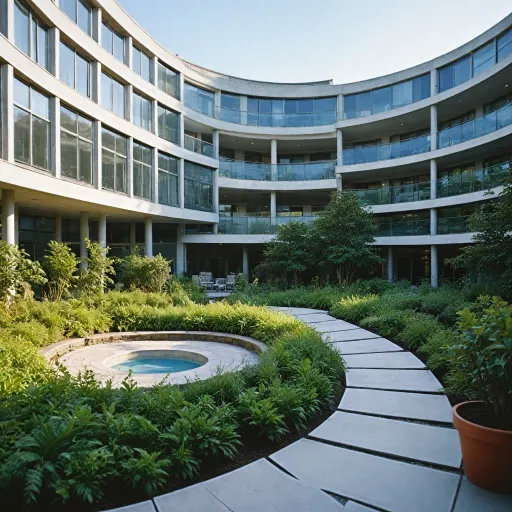
Originally developed by Cachet Hospitality Group and Merchants Hospitality, the hotel positioned itself as a design led boutique hotel nyc asset with 105 rooms and villas. The cachet boutique NYC hotel used three garden courtyards to soften the hard edges of manhattan and create an area leisure buffer from the traffic of nearby 42nd Street. This approach to outdoor rooms in hotels york properties near the Hudson Yards district became a reference for other boutique hotels seeking a calmer guest journey.
For asset managers and investors, the cachet boutique NYC hotel also underlined the importance of flexible FF&E packages that can survive operator changes. Over its life, the hotel nyc asset moved from Cachet Hospitality to other operators, including Aimbridge Hospitality, before closing. Each transition tested whether the original boutique nyc design language, rooms layout and exercise gym concept could adapt without heavy capital expenditure.
Today, the building is being repositioned again under a new brand, with a gay friendly orientation and renewed nightlife focus. This new york hotel chapter raises critical questions about how to future proof FF&E, air conditioning systems and public spaces in boutique hotels facing rapid repositioning cycles. For design teams working in york united markets, the property has become a case study in resilient planning rather than a simple hospitality story.
Designing the cachet boutique NYC hotel within a tight manhattan footprint required a rigorous approach to room typologies and FF&E density. With only 105 rooms, every square metre had to deliver both perceived luxury and operational efficiency for housekeeping and maintenance teams. Architects working on hotels york in Midtown West know that each square metre carries a high dollar cost in the united states, especially near Times Square and the Hudson Yards station.
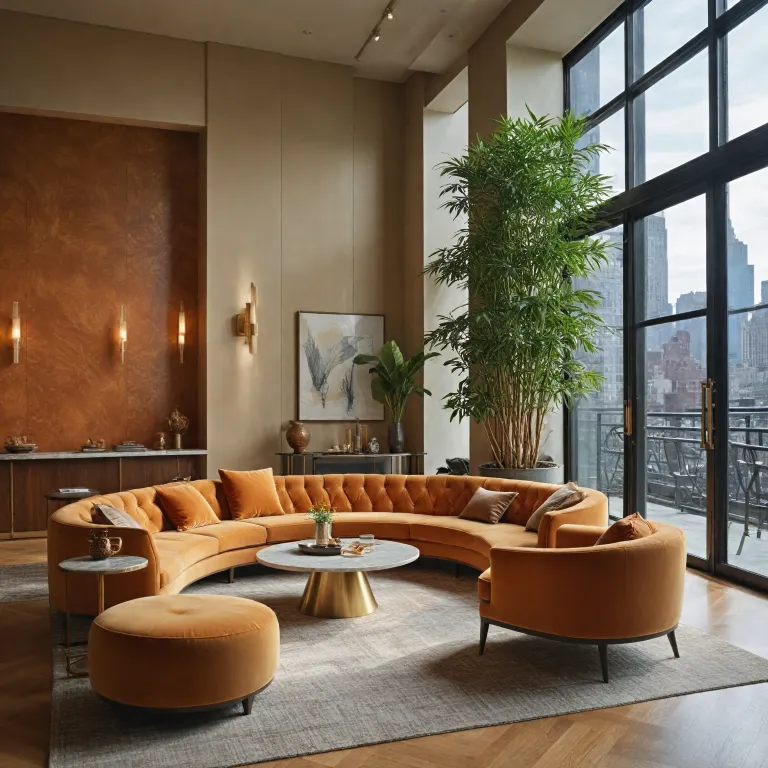
Guest rooms at the cachet boutique NYC hotel were conceived as compact yet layered spaces, where FF&E did double duty as storage, display and acoustic buffer. Integrated headboards, slimline wardrobes and carefully scaled lounge chairs allowed the rooms to feel generous despite their limited square footage. For boutique nyc projects, this strategy shows how to maintain a star level experience while controlling build costs and future renovation exposure.
Air conditioning design played a central role in this york hotel, because noise and vibration can quickly undermine a boutique hotel narrative. Specifying quieter fan coil units and isolating them from headboard walls protected guest sleep quality and supported good reviews for the hotel nyc asset. In a city where the york times and other media frequently critique hospitality experiences, acoustic performance becomes as important as visual design.
Bathrooms at the cachet boutique NYC hotel also reflected a york cachet logic, with sliding doors and wall hung fixtures to free floor area. This allowed designers to maintain a boutique hotel feel while keeping plumbing runs efficient for future renovation phases. For asset managers overseeing multiple hotels in nyc york, such compact yet premium bathrooms can significantly improve long term ROI on both FF&E and MEP systems.
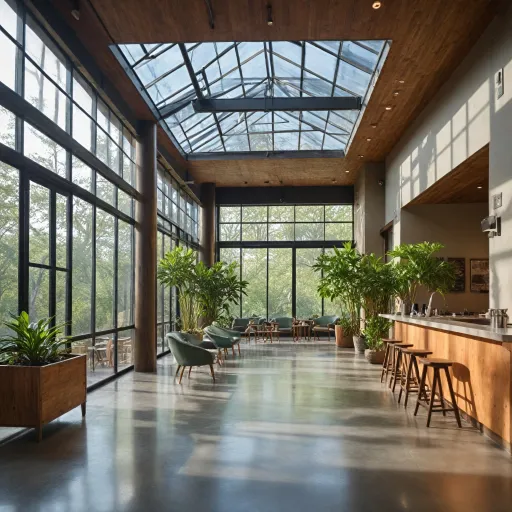
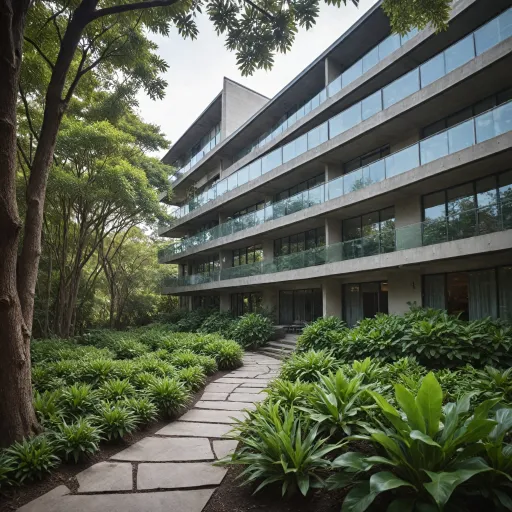
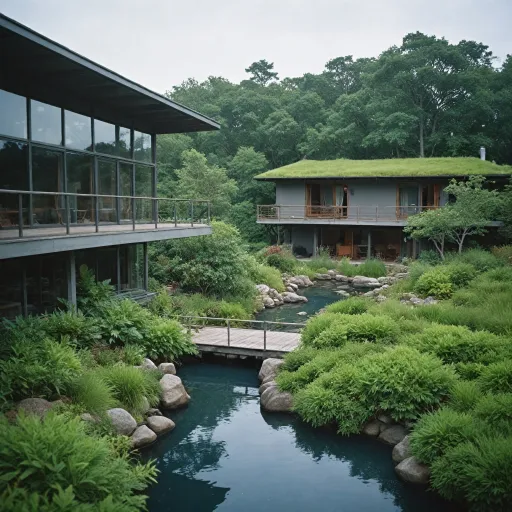
One of the most distinctive architectural moves at the cachet boutique NYC hotel was the creation of three outdoor gardens within the manhattan block. These landscaped courtyards transformed residual space into area leisure assets that supported F&B, events and wellness programming. In a york city context dominated by towers and hard pavements, such gardens gave the boutique hotel a strong identity and justified a premium star positioning.
For designers, the gardens at this hotel nyc property illustrate how outdoor rooms can extend the perceived footprint of compact hotels. By aligning interior lounges and restaurants directly with the courtyards, the cachet boutique NYC hotel blurred boundaries between inside and outside. This strategy encouraged guests to move through multiple atmospheres within a few minutes walk, enhancing dwell time and secondary spend in the united states market.
However, outdoor spaces in nyc york also introduce technical and regulatory complexity, from drainage and waterproofing to acoustic control and neighbour relations. The gardens at this york hotel had to manage sound spill from nightlife programming while remaining acceptable to nearby residential buildings. For future boutique hotels near Times Square or the empire state building corridor, this balance between activation and control will remain a central design challenge.
From an FF&E perspective, specifying durable yet refined outdoor furniture was essential to maintain the york cachet brand promise. Materials had to withstand freeze thaw cycles, intense sun and heavy use, while still aligning with the boutique nyc narrative. Asset managers evaluating hotels york in similar climates should treat outdoor FF&E as a strategic investment rather than a decorative afterthought, because it directly influences guest reviews and perceived value per dollar spent.
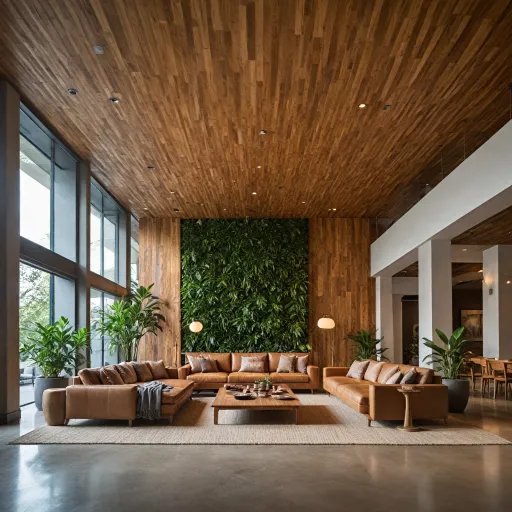
The cachet boutique NYC hotel was conceived as more than a place to sleep ; it was a multi program hub combining wellness, nightlife and art. The lobby and adjacent spaces functioned as a flexible platform where area leisure, co working and entertainment overlapped across the hour. For architects and designers, this hotel nyc project demonstrates how to choreograph flows between guests, locals and staff in a dense york city environment.
Integrating an exercise gym, spa treatments and mindfulness programming into a relatively compact footprint required careful zoning and acoustic separation. The exercise gym at the cachet boutique NYC hotel had to coexist with guestrooms above and F&B venues nearby, without transmitting vibration or noise. This is a recurring challenge in boutique hotels across the united states, particularly in vertical manhattan buildings where structural systems are shared.
Nightlife spaces within the cachet boutique NYC hotel also demanded robust FF&E and lighting strategies that could shift from early evening cocktails to late night events. Flexible seating, movable partitions and layered lighting scenes allowed operators to adapt the boutique nyc environment to different audiences and price points. For investors, such adaptability can protect revenue streams when market conditions change, as seen during recent economic cycles.
Food and beverage concepts, including continental breakfast service, were integrated into this multi program lobby ecosystem rather than isolated in a traditional dining room. Offering a continental breakfast in a lounge that later morphs into a bar maximised use of every square metre and supported the york cachet positioning. For hotels york near Times Square and the empire state building, this approach to all day programming can significantly enhance both guest satisfaction and operational efficiency.
When the cachet boutique NYC hotel closed, it left a gap in the boutique hotel landscape of Midtown West and Hell’s Kitchen. The property’s transition toward a new gay friendly brand under developer Ian Reisner illustrates how architecture and FF&E decisions made earlier can either constrain or enable repositioning. For asset managers and investors in nyc york, this case underscores the value of designing for multiple future narratives rather than a single fixed concept.
Reusing existing rooms layouts, air conditioning infrastructure and wet stacks can significantly reduce renovation costs in dollar terms. However, the new operator must evaluate whether the original boutique nyc aesthetic still aligns with the evolving expectations of LGBTQ+ travellers and local nightlife communities. In a competitive york city market, where hotels york compete intensely around Times Square and the state building corridor, brand differentiation is critical.
Digital presence also plays a decisive role in relaunching a former cachet boutique NYC hotel asset under a new flag. For architectural firms and design studios involved in such repositioning, aligning physical storytelling with online narratives and good reviews is essential. Resources such as elevating architectural firms’ digital marketing strategies to attract ideal clients can help bridge the gap between built work and market perception.
As the property moves from its cachet boutique identity toward a European boutique hotel brand, stakeholders must reassess everything from lobby zoning to exercise gym placement. The aim is to maintain the york cachet of the address while updating FF&E, lighting and technology to current standards. For professionals working across the united states, this project offers a live laboratory on how to transform a closed hotel nyc asset into a renewed york united destination within just a few minutes walk of Times Square.
The lifecycle of the cachet boutique NYC hotel offers several transferable lessons for future boutique hotels in dense urban markets. First, compact yet flexible rooms with carefully chosen FF&E can support multiple brand stories over time, reducing the need for structural interventions. Second, integrating gardens and area leisure spaces into a york city block can significantly elevate guest experience, but demands rigorous technical detailing and neighbour engagement.
Third, multi program lobbies that combine continental breakfast, co working, bar service and nightlife can maximise revenue per square metre. The cachet boutique NYC hotel demonstrated how such spaces, supported by an exercise gym and wellness offerings, can attract both travellers and locals in manhattan. For hotels york near Times Square and the empire state building, this hybrid model may be more resilient than single use public areas.
Fourth, air conditioning and acoustic strategies must be treated as core design elements rather than back of house concerns. In a york hotel where nightlife, gardens and guestrooms coexist, poorly planned mechanical systems can quickly generate negative reviews and erode brand equity. Conversely, well executed systems support the boutique nyc promise of comfort and calm within a noisy city.
Finally, the repositioning of this hotel nyc asset into a new york hotel identity shows the importance of long term thinking in architecture and FF&E. By anticipating future operators, new guest segments and evolving definitions of york cachet, design teams can create hotels that remain relevant across economic cycles. For stakeholders across the united states and york united markets, the former cachet boutique NYC hotel stands as both a cautionary tale and an inspiring template for adaptive, resilient hospitality design.
No. The hotel permanently closed on October 10, 2023. (w42st.com)
Developer Ian Reisner leased the property in early 2024 ; plans are to reopen in September 2024 as a European boutique hotel brand with a gay-friendly orientation. (nypost.com)
At 510 West 42nd Street, between 10th and 11th Avenues, Manhattan (MidtownWest/Hell’s Kitchen), New York City. (prnewswire.com)
When operating, it offered 105 rooms/villas, restaurants (EDEN, others), three outdoor gardens, spa and wellness offerings, nightclub/nightlife spaces. (hotel-online.com)
Since the hotel is closed, do *not* plan stay at Cachet Boutique Hotel NYC for future bookings unless if under new brand post-September 2024. (w42st.com)
Summarize with