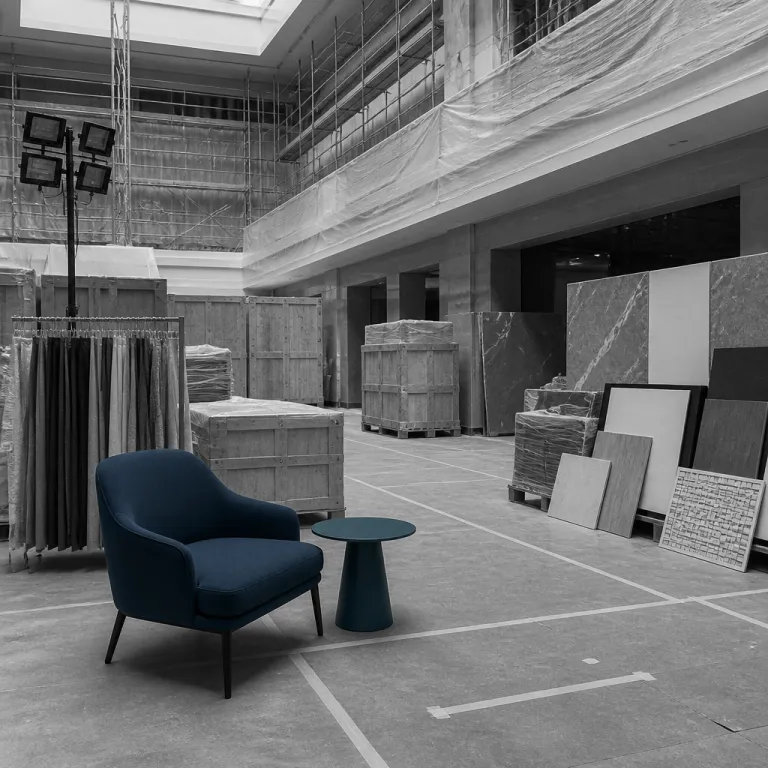
Why hospitality general contractors sit at the center of complex hotel projects
For any hotel asset, the hospitality general contractors who orchestrate the construction phase now shape the entire guest experience. Their rôle extends far beyond traditional building delivery, because every decision in construction and engineering directly affects operations, brand compliance, and long term asset value. When architects and designers of hospitality spaces ignore this, even the most refined design can be compromised on site.
Specialized hospitality general contractors translate concept design into coordinated work packages that respect hotel operations, FF&E logistics, and phased renovation constraints. They manage construction services so that a live inn, resort, or urban hotel hospitality property can maintain occupancy while critical projects move forward behind hoardings. This is where hospitality construction differs sharply from an office building or a standard commercial building, since the tolerance for noise, dust, and circulation disruption is dramatically lower.
Experienced firms such as Concept Contractors, Inc., First Finish, LLC, CB Construction Group, Inc., Case & Associates General Contractors, and LMG General Contractors have built their company reputations on this nuance. These general contractors understand that a hotel renovation is not only a construction project but also a brand protection exercise for owners and asset managers. For design teams and bureaux d’études, partnering with such a general contractor early in the project unlocks realistic phasing, more reliable budgets, and a shared strategy for hospitality projects that must remain profitable during transformation.
From schematic design to site : aligning project coordination with operations
When coordination starts at schematic design, hospitality general contractors can stress test the architectural intent against real construction constraints. They review room layouts, back of house flows, and public space zoning to ensure that engineering systems, structural interventions, and construction sequencing remain feasible in an occupied hotel. This early dialogue between design, construction management, and operations teams prevents late redesigns that erode both quality and margin.
For asset managers, the most valuable hospitality construction partners are those who can map each project phase against revenue forecasts and operational KPIs. A fast track hotel construction programme might prioritize high yield room types first, while deferring low impact areas such as secondary meeting rooms or a remote service center. Case & Associates General Contractors, often referred to as Case Associates in the market, have documented projects where carefully staged hotel renovation protected ADR and RevPAR while still delivering a full scope of work over a defined multi month period.
Real world examples show how this alignment changes outcomes for complex urban assets. In one health driven reuse model of a legacy urban property, a Sheraton in Minneapolis was reframed from an urban hospitality icon into a more resilient mixed use concept ; such a transformation requires a general contractor who can phase structural work, MEP upgrades, and FF&E installation without shutting down the building, as illustrated by this urban hospitality reuse case study. For architects and directions techniques, this type of collaboration with a hospitality focused construction group is now a prerequisite rather than a luxury.
Design build models and the new role of the construction group
Design build delivery has become a powerful tool when working with hospitality general contractors on schedule sensitive hotel projects. Under this model, a single construction group leads both design and construction services, integrating architecture, engineering, and procurement into one accountable team. For investors and asset managers, this can reduce interface risk and compress programme durations, especially on repetitive guestroom work.
In hospitality, design build only succeeds when the general contractor has deep sector experience and a stable équipe of specialists. Firms like First Finish, LLC and LMG General Contractors have refined fast track methodologies that allow them to turn over floors in a matter of weeks while maintaining brand standards. Their teams coordinate FF&E deliveries, mock up approvals, and trade sequencing so that each view project milestone is tied to a clear operational handover.
Owners should evaluate whether a design build approach is appropriate for each project type, since a highly bespoke luxury inn or a complex mixed use center may still benefit from a more traditional separation of roles. For many select service hotel hospitality assets, however, integrated hotel design build services that elevate hospitality project coordination can unlock significant value, as outlined in this resource on coordinated hotel design build services. The key is to align the chosen delivery model with the risk profile, brand requirements, and long term repositioning strategy of the property.
Technical planning : engineering, phasing, and live environment constraints
Technical planning is where hospitality general contractors prove their worth to design teams and bureaux d’études. They translate conceptual engineering strategies into detailed phasing plans that respect fire safety, acoustic performance, and structural integrity while guests remain on site. This is especially critical in vertical hotel construction, where lifts, stair cores, and risers must stay operational throughout the works.
Specialist general contractors use advanced project management software to model how each trade will move through the building and to refine live environment constraints into workable sequences. They coordinate engineering shutdowns, temporary services, and night work so that the hotel can maintain a predictable guest experience and protect its reputation. In senior living and extended stay hospitality projects, this sensitivity to resident routines and health requirements becomes even more important, since disruption can have direct wellbeing implications.
Lighting, HVAC, and façade upgrades also demand close collaboration between the general contractor, the electrical engineer, and the design team. When specifying circadian lighting or complex control systems, for example, architects should brief the engineering consultants with clear performance criteria and integration requirements, as outlined in this guide to circadian lighting specifications for electrical engineers. Hospitality general contractors then ensure that these systems are buildable, maintainable, and phased in a way that avoids prolonged outages in critical guest areas.
Case based insights : hotel renovation, brand standards, and specialist firms
Renovation in a live hotel environment is where hospitality general contractors differentiate themselves from generic remodeling contractors. Concept Contractors, Inc. has built a practice around hospitality renovations and restorations, often working in properties that cannot afford extended closures. Their teams coordinate closely with hotel management to schedule noisy work, manage guest communications, and protect sensitive finishes in adjacent areas.
CB Construction Group, Inc. has completed numerous commercial renovation projects, including hospitality assets that combine public spaces with back of house upgrades. Their experience shows how a general contractor can phase lobby, restaurant, and meeting center works so that revenue generating zones remain partially open. For owners, the ability to view project progress against a clear phasing diagram and revenue forecast is as important as the technical quality of the construction itself.
Case & Associates General Contractors, often known in shorthand as Case Associates, bring more than three decades of hotel renovation and construction services to the table. Their portfolio spans limited service hotel construction, full service hotel hospitality repositionings, and complex hospitality projects that integrate office building components or senior living wings. In a recent multi phase renovation of a branded select service property, for example, they sequenced guestroom, corridor, and lobby works over roughly nine months while the hotel remained open, helping the owner maintain occupancy above 80 % and keep the project within the approved capital budget.
Geographies, asset types, and the expanding scope of hospitality general contractors
Hospitality general contractors now operate across a wide range of geographies and asset classes, from resort campuses to dense urban towers. In markets such as san francisco and other high cost coastal cities, the constraints on construction logistics, noise, and neighbourhood relations are particularly acute. A general contractor who understands local permitting, union requirements, and community expectations can de risk complex hospitality projects for international investors.
Some hospitality focused firms operate nationwide across the United States, coordinating teams and subcontractors over multiple states. They may deliver a new build inn in a secondary market, a selective demolition and rebuild of an aging office building into a lifestyle hotel, and a targeted hotel renovation of a senior living hybrid asset. For asset managers, this breadth allows a single construction group to support portfolio wide strategies, from ESG driven upgrades to brand family conversions.
Even within a single metropolitan area, the typologies vary widely, from airport hotel construction near a transport hub to boutique hospitality projects in a historic center. In san francisco, for example, a hospitality general contractor might be asked to convert a heritage building into a mixed use hotel hospitality and co working center while preserving façades and structural grids. Such complexity reinforces why architects, designers, and bureaux d’études should engage their general contractors as strategic partners rather than late stage suppliers.
Selecting and collaborating with the right hospitality construction partner
Choosing between hospitality general contractors is ultimately a strategic decision for owners, asset managers, and design teams. Beyond price, the evaluation should focus on sector specific experience, depth of construction management resources, and the stability of the core équipe. References from major hotel brands, boutique operators, and previous bureaux d’études partners provide valuable insight into how each company performs under pressure.
When assessing a general contractor or a group of contractors, project stakeholders should examine how they manage communication, risk, and change. Do they provide transparent reporting that links construction progress to operational impacts, and can they adapt phasing when occupancy patterns shift unexpectedly ? For long term relationships, the ability to support multiple projects across a portfolio, from small scale inn refurbishments to complex hospitality construction in urban centers, becomes a decisive advantage.
Collaboration also depends on clear role definition between the design team, the general contractor, and any specialist remodeling contractors or engineering consultants. Early workshops that align on brand standards, FF&E strategies, and operational constraints help transform potential conflicts into coordinated solutions. In this environment, hospitality general contractors are not just builders ; they are integrators of design, engineering, and services who safeguard both guest experience and asset performance, providing a continuous thread from early concept through post opening optimization.
Key figures shaping hospitality general contracting
- Case & Associates General Contractors report more than 30 years of experience in hotel renovation and construction services, which gives design teams and asset managers a long term performance benchmark for complex hospitality projects (source : Case & Associates General Contractors, company materials).
- CB Construction Group, Inc. highlights a substantial track record in commercial renovation, indicating deep experience in coordinating building works across multiple asset types, including hospitality (source : CB Construction Group, Inc., project portfolio).
- Some hospitality construction firms such as Mezquite Group operate across dozens of states in the United States, showing how nationwide coverage can support portfolio wide hotel construction and renovation strategies for institutional investors (source : Mezquite Group, corporate overview).
- Fast track renovation schedules used by hospitality general contractors are specifically designed to minimize downtime, which directly supports hotel revenue continuity during major projects (source : multiple hospitality construction firms and published case studies).
FAQ about hospitality general contractors and project coordination
What services do hospitality general contractors offer ?
They provide renovations, new constructions, and ensure projects meet brand standards with minimal disruption. In practice, this includes pre construction planning, construction management, FF&E coordination, and post handover support for hotel operations. Many firms also offer design build services for selected project types.
Why choose a specialized hospitality contractor instead of a generic builder ?
Specialized hospitality general contractors understand the operational realities of running a hotel during construction. They know how to phase noisy work, protect guest circulation, and coordinate with brand auditors and procurement teams. This expertise reduces risk for owners and preserves guest satisfaction scores throughout the project.
How do these contractors minimize disruption during live hotel projects ?
They implement fast track schedules, night work strategies, and carefully sequenced floor by floor phasing. Collaborative management with hotel leadership allows them to align construction windows with occupancy patterns and key events. Clear communication with guests and staff further reduces the perceived impact of the works.
What is the importance of pre construction planning in hospitality projects ?
Pre construction planning allows the general contractor, architect, and engineering team to identify risks before work starts on site. They can test phasing options, validate budgets, and coordinate long lead items such as custom FF&E or façade systems. In hospitality, this stage is essential to avoid unplanned closures or costly redesigns mid project.
Do hospitality general contractors typically work nationwide ?
Many leading hospitality general contractors operate across multiple states, sometimes nationwide. This allows hotel brands and asset managers to standardize construction quality and processes across their portfolios. For regionally focused projects, local partners may still be preferred when deep knowledge of municipal regulations or heritage constraints is required.