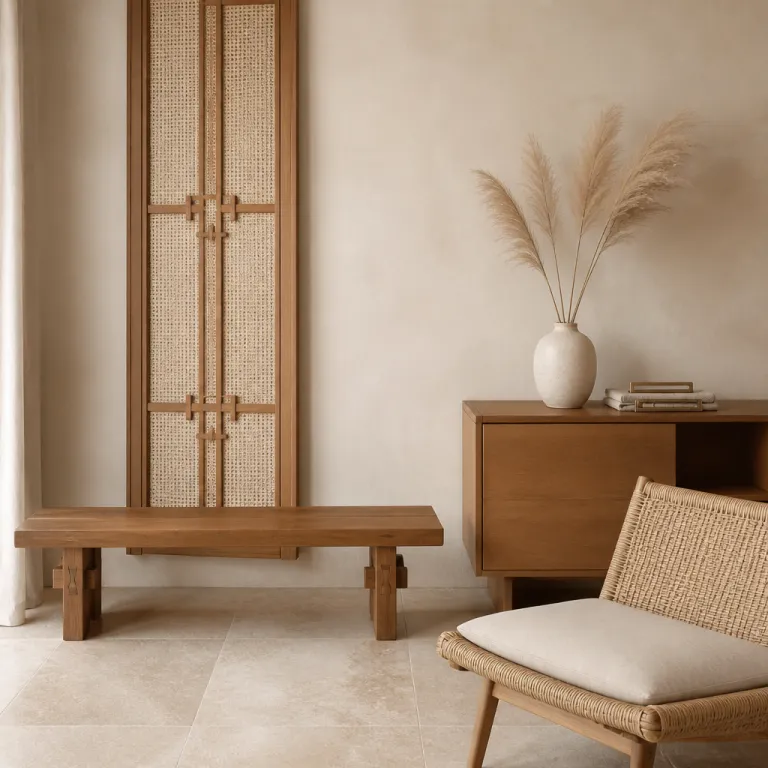
Asian craftsmanship as a value engine in hospitality FF&E ecosystems
Asian craftsmanship has become a decisive value engine in hospitality FF&E strategies. For project teams navigating the luxury market, it now shapes guest perception as strongly as location or service. A 2023 Bain & Company survey on luxury in Mainland China, for instance, reported that 64% of respondents ranked craftsmanship quality as a top-three purchase driver, ahead of brand name for younger affluent guests, signalling a structural shift in expectations. When architects and designers integrate Asian craftsmanship into specifications, they are not only curating aesthetics but also engineering long term asset resilience.
Across Asia, artisans working in wood, silk, bamboo, clay, and metal translate cultural heritage into tangible works of art for lobbies, suites, and spas. This craftsmanship ecosystem spans hand carving workshops in China, weaving ateliers in rural regions, and ceramic kilns in Japanese prefectures, each with its own terms for lead times, quality control, and intellectual property. For asset managers and investors, understanding these regional differences in Asian craftsmanship is as critical as reading a technical due diligence report, because they directly affect procurement risk, delivery schedules, and long term maintenance.
Hospitality brands that position themselves at the intersection of fashion, art, and architecture are using Asian craftsmanship to create a new language of luxury. Instead of importing a generic global style, they commission Asian artisans to develop bespoke FF&E collections that align with the brand narrative and the operational constraints of high occupancy hotels. This approach turns every corridor, lounge, and suite into a curated work of art that can compete visually with the best fashion designers while remaining robust under intensive use.
For technical design directors, the challenge is to translate this artistic ambition into specifications that suppliers can execute repeatedly. That means defining measurable criteria for craftsmanship, from weaving density in textiles to tolerance levels in hand carved joinery, and aligning them with procurement frameworks and contract language. When done well, Asian craftsmanship becomes a scalable asset class, not a fragile one off gesture that is impossible to maintain across a portfolio.
From heritage to high performance : integrating asian craftsmanship into design narratives
Heritage is only valuable in hospitality when it is legible to the guest and operationally coherent for the team on site. Asian craftsmanship offers a powerful narrative tool because each object carries stories of place, technique, and community that can be translated into brand content and on property experiences. When designers frame these stories within a clear brand story, they transform FF&E from background décor into a strategic communication channel that supports positioning and rate premiums.
In Japanese ryokan inspired suites, for example, hand carved timber screens and woven tatami elements can echo traditional methods while meeting modern fire and acoustic codes. A recent 80 key resort conversion in Okinawa allocated roughly 7% of total FF&E budget to local joinery and paper screens, with a 14 week sourcing and prototyping phase to align artisans with hotel mock up room testing. The same logic applies in Singapore, where contemporary hotels commission Asian artisans to reinterpret Peranakan tiles or lacquer artwork in a way that aligns with a global luxury market audience. These projects show that Asian craftsmanship can coexist with cutting edge stone and lighting concepts, as explored in analyses of contemporary hotel stone aesthetics and metaphysical narratives.
For FF&E suppliers, the opportunity lies in creating unique collections that translate traditional Asian techniques into modular, certifiable products. A chair inspired by Japanese joinery, for instance, must pass international load tests while preserving the visual language of the original craftsmanship and the tactile quality that guests associate with luxury. This balance between compliance and emotion is where the best designers and manufacturers differentiate themselves in a crowded global market.
Brands such as Shang Xia, backed by a major fashion group, illustrate how Asian craftsmanship can be industrialized without losing its soul. Their work in porcelain, bamboo, and leather demonstrates how a clear brand story, rigorous contractual terms with artisans, and a strong visual identity can position Asian craftsmanship at the same level as European fashion designers. Hospitality projects that partner with similar brands gain immediate narrative depth and a library of images and photo assets that communicate quality without a single word.
Building resilient supplier networks : from local workshops to global FF&E programs
For asset managers and technical consultancies, the main risk with Asian craftsmanship is not aesthetic but structural. Many Asian artisans operate in small workshops with limited capacity, informal policy terms, and fragile succession planning, which can jeopardize multi property rollouts or long term renovation cycles. To mitigate this, hospitality investors must treat the craftsmanship supply chain with the same rigor they apply to MEP engineering or façade packages.
A practical approach is to map suppliers along a continuum from individual Asian artisans to industrial manufacturers capable of serial production. Local communities and cultural organizations often act as partners, helping identify workshops that can scale while preserving heritage and quality. Technical teams should conduct factory visits, audit kilns, looms, and chisel based processes, and align expectations on lead times, defect rates, and intellectual property before integrating any Asian craftsmanship element into a brand standard.
When selecting construction and fit out partners for restaurants or public areas, the same discipline applies. Guides on choosing high performance restaurant construction partners highlight the importance of coordination between artisans, general contractors, and specialist installers. Without this coordination, even the best carved panels or woven ceilings can be damaged on site, leading to costly delays and disputes over responsibilities and remedial works.
To scale Asian craftsmanship across a portfolio, some hotel groups establish framework agreements that bundle multiple artisans under a single FF&E integrator. This intermediary manages logistics, quality control, and compliance with data sharing requirements, while the hotel retains direct access to the stories and images that make the craftsmanship meaningful. Such models respect the intellectual property of each artisan, stabilize pricing, and give asset managers predictable CAPEX profiles for future renovation waves.
Visual storytelling : from atelier to lobby through curated images and photo rights
Guests rarely read technical specifications, but they constantly read spaces through visual cues. Asian craftsmanship becomes legible when operators curate images and photo narratives that connect the lobby object to its origin in a remote workshop or urban studio. High quality photography, whether commissioned directly or sourced from platforms such as Getty Images, can bridge this gap between back of house procurement and front of house perception.
For design and marketing teams, the challenge is to align visual storytelling with legal frameworks such as rights reserved and privacy policy obligations. When photographing Asian artisans at work, hotels must secure explicit consent, clarify policy terms for image usage, and respect local cultural norms around representation and sacred motifs. These images then feed into digital galleries, in room tablets, and pre stay emails that invite guests to read the stories behind each piece of Asian craftsmanship without overwhelming them.
Brands operating at the intersection of fashion, art, and hospitality often collaborate with fashion designers and photographers to create editorial style campaigns around their Asian craftsmanship collections. A series of images showing a Japanese lacquer artist, a bamboo weaver from China, and a textile specialist from Singapore can position the hotel as a curator of global culture rather than a passive buyer of décor. When these campaigns are integrated into the brand story, they reinforce the perception of luxury and justify premium pricing in both rooms and F&B.
Digital interfaces must also respect accessibility and user experience, avoiding patterns such as intrusive banners that encourage users to skip content without engaging with the narrative. Instead, concise captions, layered stories, and clear links to policy terms help guests understand how their data and images are handled while they explore the world of Asian craftsmanship. This careful balance of storytelling, compliance, and design strengthens trust and deepens the emotional connection between guest and place.
Operational durability : aligning asian craftsmanship with maintenance, CAPEX, and renovation cycles
For technical directors, the true test of Asian craftsmanship is not the opening night but the fifth year of operation. Hand carved doors, woven wall panels, and artisanal ceramics must withstand luggage impacts, cleaning chemicals, and fluctuating humidity without constant replacement. When these elements fail prematurely, the narrative of heritage quickly turns into a line item of unexpected CAPEX.
To avoid this, technical teams should involve artisans early in the design process to adapt traditional methods to hospitality realities. Kiln firing temperatures, protective finishes, and mounting systems can all be adjusted without compromising the essence of the craftsmanship, provided that the dialogue between designers, Asian artisans, and manufacturers is structured. Questions such as “What are common materials used in Asian craftsmanship?” and “How can one support Asian artisans?” become operational, not only cultural, because material choice directly affects maintenance cycles and procurement strategies.
Brands that succeed in creating unique yet durable FF&E often prototype pieces in pilot rooms and monitor performance over several months. Data on breakage rates, cleaning times, and guest feedback is then shared with artisans under clear policy terms, allowing iterative improvements that respect both heritage and operational efficiency. This feedback loop transforms Asian craftsmanship from a static reference to the past into a living system of continuous improvement aligned with asset management KPIs.
Renovation planning should also consider the availability of original artisans or their successors to repair or reproduce key elements. Where continuity is uncertain, hotels may partner with institutions or brands such as Shang Xia that maintain archives, training programs, and documented processes for their artwork. This ensures that future refurbishments can respect the original design intent while integrating new sustainability standards and evolving guest expectations in the luxury market.
Strategic positioning : asian craftsmanship at the crossroads of fashion, luxury, and architecture
Hospitality has moved closer to fashion and art, and Asian craftsmanship sits precisely at this intersection. Guests now compare hotel interiors not only with other properties but with runway shows, gallery exhibitions, and lifestyle images circulating on social media. For investors and asset managers, this means that FF&E decisions influence brand equity as directly as any fashion campaign or architectural statement.
Some of the best case studies involve hotels that stitch complex historic fabrics into coherent contemporary experiences without erasing local identity. Projects that integrate multiple heritage buildings into a single hotel, as seen in analyses of sensitive multi building hotel transformations, offer a methodology that can be applied to Asian contexts rich in layered urban fabrics. In such environments, Asian craftsmanship becomes the connective tissue between old and new, between global guests and local communities.
For brands operating across regions from China to Singapore and beyond, a coherent Asian craftsmanship strategy can differentiate them in a saturated luxury market. Rather than treating each property as an isolated project, they can define a framework that specifies which categories of craftsmanship are standardized and which remain site specific, from textiles and ceramics to joinery and lighting. This approach mirrors how fashion designers manage seasonal collections and permanent lines, balancing consistency with local expression.
Digital content strategies should support this positioning by encouraging guests to read curated stories about artisans, materials, and processes before, during, and after their stay. Short news style features, behind the scenes videos, and carefully edited images and photo essays can all reinforce the perception of a thoughtful, human centric brand. When aligned with transparent privacy policy statements and clear rights reserved notices, this ecosystem of content and space design turns Asian craftsmanship into a long term competitive advantage rather than a passing aesthetic trend.
Key figures and strategic metrics on asian craftsmanship in hospitality
- Recent Asian luxury consumer surveys consistently report that craftsmanship quality is a primary driver of purchase decisions, indicating that Asian craftsmanship directly influences spending patterns in the luxury market.
- Hand carving, weaving, and pottery remain the three dominant methods in traditional Asian craftsmanship, which has implications for FF&E categories such as casegoods, soft furnishings, and decorative accessories.
- Common materials used in Asian craftsmanship include wood, silk, bamboo, clay, and metal, each with distinct maintenance profiles and life cycle costs in hotel environments.
- Projects that integrate local Asian artisans and cultural organizations often generate dual returns, combining sustained cultural heritage with measurable economic benefits for surrounding communities.
- Ongoing revival of traditional techniques and fusion of old and new designs creates a continuous pipeline of innovation for hospitality designers seeking to refresh brand standards without losing authenticity.
FAQ on asian craftsmanship for hospitality projects
How can hospitality projects integrate asian craftsmanship without compromising durability ?
Hospitality projects should involve Asian artisans early to adapt traditional methods to hotel use, specifying finishes, fixings, and protective treatments that meet traffic and cleaning demands. Prototyping in pilot rooms and monitoring performance over time helps refine details before large scale rollout. Clear policy terms on maintenance, repair, and replacement ensure that craftsmanship remains an asset rather than a liability.
What are common materials used in asian craftsmanship for FF&E ?
The most common materials are wood, silk, bamboo, clay, and metal, each suited to different FF&E categories. Wood and bamboo work well for furniture and screens, while silk and other textiles are ideal for soft furnishings and wall panels. Clay and metal are frequently used for lighting, decorative objects, and bathroom accessories, provided that finishes are specified for humidity and cleaning agents.
How can one support asian artisans while meeting brand standards ?
Hotels can support Asian artisans by purchasing authentic handmade products, promoting their work, and integrating them into long term supplier programs rather than one off commissions. Collaborating with local communities and cultural organizations helps identify workshops capable of meeting hospitality quality and compliance requirements. Transparent brand story communication, fair pricing, and respect for rights reserved and privacy policy commitments build trust on both sides.
What role do images and photo narratives play in communicating asian craftsmanship to guests ?
Curated images and photo narratives help guests understand the origin, technique, and cultural significance of Asian craftsmanship pieces in the hotel. High quality photography, whether produced in house or sourced from platforms such as Getty Images, can be integrated into digital guides, in room media, and pre stay communications. Clear captions, policy terms, and respect for privacy policy obligations ensure that visual storytelling enhances both guest engagement and legal compliance.
How can asset managers evaluate the ROI of investing in asian craftsmanship ?
Asset managers can evaluate ROI by tracking metrics such as ADR premiums, guest satisfaction scores related to design, and social media engagement with craftsmanship related content. They should also consider life cycle costs, including durability, maintenance, and the potential for phased refurbishment using the same artisans or brands such as Shang Xia. When Asian craftsmanship strengthens brand positioning and reduces the need for frequent redesigns, it often delivers superior long term returns compared with generic FF&E.