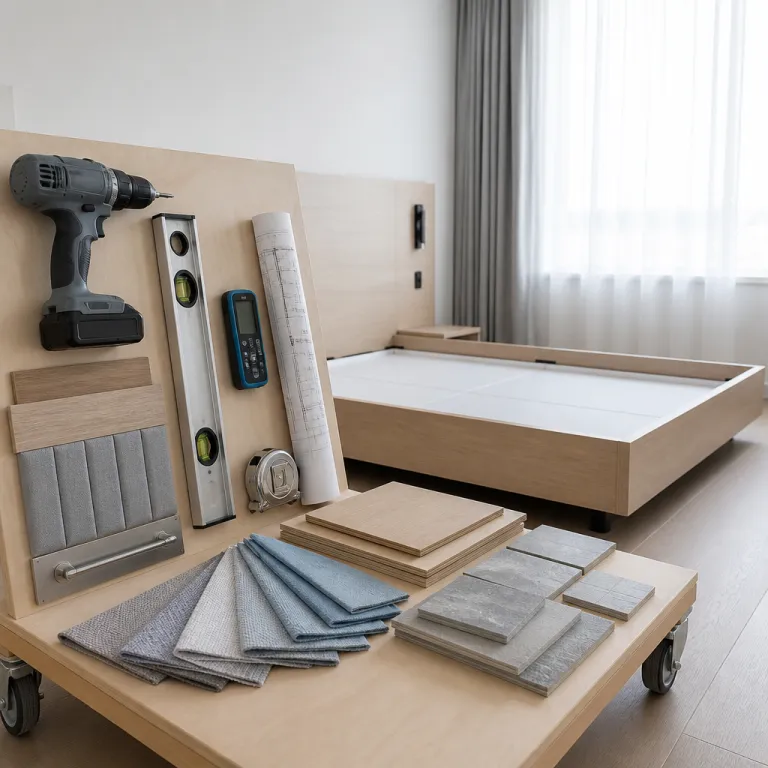
Why hotel renovation general contractors now sit at the center of the hospitality ecosystem
Hotel renovation general contractors have shifted from straightforward construction executors to strategic partners at the core of every major hospitality project. For architects, hospitality designers, technical directors and asset managers, these firms now coordinate design, construction, engineering, FF&E, and day‑to‑day operations to protect both guest experience and long‑term asset value. In a sector where the average hotel renovation cost per room reaches about 8,000 USD, according to industry benchmarks from sources such as the Hotel Cost Estimating Guide 2024 and HVS hotel renovation surveys, the choice of the general contractor directly shapes ROI, safety performance, and building durability.
Specialized construction firms such as Renovista, Comren Inc., Symmetric LLC, Case & Associates and Schema Group illustrate how hotel renovation general contractors structure nationwide hospitality construction programs. They combine pre‑construction planning, project management software, and rigorous quality control systems to manage complex hotel construction and renovation projects while hotels remain partially open. This integrated project delivery approach is particularly critical for owners and developers managing diversified portfolios that include multifamily assets, student housing blocks, senior living communities and mixed‑use office and hospitality facilities.
For hotel owners and investors, the most resilient hospitality projects are now led by a tightly aligned project team where the general contractor, design firms and engineering consultants share data, risk and accountability. The vice president of construction management on the owner side expects transparent reporting on safety metrics, schedule adherence, and quality benchmarks across every facility. As one VP of development for a West Coast owner notes, “we no longer award on lowest bid alone; we award on who can protect revenue, brand standards and safety across a multi‑city portfolio.” In this context, top hospitality contractors are selected less for the cheapest proposal and more for their ability to orchestrate complex work phases, protect revenue during operations, and maintain brand standards across multiple hotel properties in different cities such as San Diego or Los Angeles.
From schematic design to handover: how the right contractor secures project delivery
When a hotel renovation starts at concept stage, hotel renovation general contractors can already influence spatial planning, FF&E strategy and building systems. Early collaboration between design teams and construction management specialists reduces clashes, shortens the duration of works and limits rework on site. For owners and developers, this upstream involvement is often the difference between a smooth project delivery and a disruptive, over‑budget renovation that damages guest experience.
Experienced construction firms structure each project into clear phases that mirror the development timeline: project initiation, design and planning, construction phase, and project completion. During pre‑construction, the general contractor tests alternative construction services scenarios, evaluates logistics for live facilities, and models safety constraints for both staff and guests. This is particularly important in urban hospitality hubs such as Los Angeles where tight sites, shared access with office buildings and multifamily neighbors, and strict regulations complicate every construction activity.
For complex waterfront or resort assets, the best hotel renovation general contractors behave almost like co‑developers, aligning engineering, architecture and operations around a shared business case. Mixed‑use destinations that combine hotel, retail, office and residential components, such as those explored in this analysis of waterfront mixed‑use hospitality, show how integrated project teams unlock value. A typical case is a 220‑room coastal resort renovation with a construction budget of 1.9 million USD for rooms and public areas, delivered in 7.5 months instead of the planned eight, where phased works preserved 70% average occupancy and helped the owner report a 12% RevPAR uplift within the first year after reopening. In such projects, the vice president for development on the owner side expects the general contractor to coordinate hospitality construction with adjacent student housing or senior living buildings, ensuring that noise, access, and safety are managed across the entire facility.
Suppliers, manufacturers and FF&E: building a resilient ecosystem around the general contractor
Behind every successful hotel renovation stands a dense network of suppliers and manufacturers that understand hospitality constraints. Hotel renovation general contractors curate this ecosystem, selecting FF&E partners, façade specialists and engineering consultants whose work can withstand the intensity of hotel operations. For design offices and engineering consultancies, aligning specifications with the preferred supplier lists of top hospitality contractors reduces risk and accelerates approvals.
In practice, construction firms now treat FF&E and OS&E as critical paths in the project, not as late‑stage purchases. The general contractor’s project team integrates procurement schedules, mock‑up rooms, and factory inspections into the overall construction management plan for each hotel facility. This is particularly visible in boutique hospitality projects where custom stone, metal and lighting elements, such as those examined in this study of contemporary hotel stone aesthetics, require long lead times and precise coordination between design and fabrication.
For hotel owners and asset managers, the reliability of suppliers directly affects guest experience, maintenance costs and long‑term building quality. Hotel renovation general contractors who maintain strong relationships with manufacturers can negotiate better warranties, ensure consistent finishes across multiple hotels, and secure rapid replacement in case of defects. As one senior project manager at a hospitality contractor puts it, “our supplier relationships are as important as our cranes and crews.” This supplier strategy extends beyond the hotel sector into multifamily, student housing and senior living projects, where similar FF&E families and construction services are deployed at scale across different facilities.
Urban constraints, heritage assets and brand standards: navigating complex hospitality construction contexts
Renovating a hotel in a dense city center or within a heritage building requires a different level of expertise from hotel renovation general contractors. In these contexts, construction management must reconcile strict preservation rules, limited access for equipment, and the need to keep part of the facility operational. For architects and hospitality designers, the general contractor becomes the key translator between creative intent, engineering feasibility and municipal regulations.
Projects in historic cinemas, post office buildings or early modernist structures that are converted into hotels illustrate this complexity. A notable example is the transformation of a former cinema in San Sebastián into a culturally embedded Curio Collection property, analyzed in this article on a cinema‑to‑hotel conversion, where hotel construction had to respect the original building while integrating contemporary facilities. In such hospitality projects, the general contractor coordinates structural engineering, acoustic treatments and safety upgrades to meet current codes without erasing the architectural narrative that differentiates the hotel.
Brand standards add another layer of complexity for hotel renovation general contractors working across multiple cities such as San Diego and Los Angeles. Top hospitality contractors must align global design guidelines with local building codes, seismic requirements and energy regulations, while also adapting to the expectations of different guest segments from business travelers to senior living residents. For owners and developers, the ability of the project team to deliver consistent quality across diverse assets in the hospitality industry, multifamily sector and student housing portfolios is now a decisive selection criterion.
Operational continuity, safety and guest experience during renovation
Keeping a hotel open during renovation is no longer an exception; it is often a financial necessity. Hotel renovation general contractors therefore design phasing strategies that protect revenue while maintaining safety and an acceptable guest experience. For technical directors and facility managers, this requires a detailed choreography of work zones, temporary facilities and communication with front‑office teams.
Specialized construction firms segment projects into micro‑phases, isolating floors, wings or specific facilities such as spas, restaurants or conference centers. The general contractor’s project team then sequences noisy or disruptive work during low‑occupancy periods, while engineering teams design temporary building systems to maintain ventilation, fire safety and access. In mixed portfolios that include student housing, senior living and multifamily buildings, these methods are adapted to different occupancy patterns but rely on the same construction management discipline.
Safety remains non‑negotiable, especially when guests and staff circulate near active construction areas. Hotel renovation general contractors implement strict access control, signage and dust management protocols to protect both people and finishes in the remaining operational facility. As one industry reference from organizations such as the American Hotel & Lodging Association (AHLA) and the Occupational Safety and Health Administration (OSHA) emphasizes, owners should verify contractor credentials, review past project portfolios and ensure clear communication channels. These simple principles help hotel owners, investors and asset managers identify contractors who can balance operational continuity, safety and quality across complex hospitality projects.
Data, costs and long term value: what sophisticated stakeholders expect from top hospitality contractors
For institutional investors and asset managers, hotel renovation is now evaluated through the same analytical lens as any other real estate strategy. Hotel renovation general contractors are therefore expected to provide robust data on costs, schedule and performance, not just a lump‑sum price. With an average duration of hotel renovation projects around six months, as reported in industry surveys such as the Hotel Cost Estimating Guide 2024, HVS and STR pipeline analyses, even small delays can significantly affect annual revenue and valuation.
Leading construction firms respond by integrating digital tools into their construction management and project delivery processes. The general contractor’s project team uses Building Information Modelling, collaborative platforms and detailed reporting dashboards to track work progress, safety incidents and quality inspections across every facility. This level of transparency allows the vice president for development or construction on the owner side to compare hospitality construction performance with benchmarks from multifamily, student housing and senior living projects within the same sector.
For hotel owners and hospitality designers, the most valuable hotel renovation general contractors are those who understand that design quality, engineering robustness and guest experience are inseparable. They treat each hotel as a long‑term building asset rather than a short‑term construction project, aligning suppliers, manufacturers and consultants around lifecycle performance. In a competitive hospitality industry where top hospitality brands compete for attention in markets such as San Diego, Los Angeles and other global hubs, this integrated approach to construction services and renovation is what ultimately differentiates one project from another.
Key statistics on hotel renovation general contractors and hospitality projects
- Average hotel renovation cost per room is around 8,000 USD according to industry reports such as the Hotel Cost Estimating Guide 2024 and HVS renovation benchmarks, which means that a 200‑room hotel project typically represents about 1.6 million USD in direct construction costs excluding FF&E and professional fees.
- Average duration of hotel renovation projects is approximately six months based on sector data from sources including HVS and STR, so owners and developers must plan for at least half a year of operational disruption or phased closures per facility.
- Guest rooms, lobbies and public spaces are the most common areas renovated in hotels, reflecting the direct impact of these zones on guest experience and brand perception in the hospitality industry.
- Pre‑construction planning, project management and construction execution are identified as the three core methods used by hotel renovation general contractors to control quality, safety and schedule across hospitality projects.
- Sustainable building materials, smart room technology and open‑concept designs are among the most frequently adopted innovation drivers in recent hotel construction and renovation programs, supporting both energy efficiency and differentiated guest experience.
FAQ about hotel renovation general contractors
What is the typical cost of a hotel renovation ?
Costs vary by market and scope, but a commonly cited average is about 8,000 USD per room. For a mid‑scale property with 150 keys, stakeholders should therefore anticipate around 1.2 million USD in direct construction costs, with additional budget for design fees, FF&E and contingencies. Location, brand standards and the condition of the existing building can push this figure higher, especially in dense urban markets.
How long does a hotel renovation usually take ?
A typical hotel renovation lasts around six months, depending on scope and phasing. Projects that involve structural interventions, complex engineering upgrades or full facility closures may extend beyond this average, while soft refurbishments of rooms and corridors can sometimes be compressed into shorter programs.
Which areas are most often renovated in hotels ?
Guest rooms, lobbies and public spaces are the most frequently renovated areas in hotels. Many hotel renovation general contractors also report growing demand for upgrades to wellness facilities, F&B outlets and meeting spaces, as these zones strongly influence both guest experience and ancillary revenue.
Why are hotel renovations strategically important for owners and investors ?
Hotel renovations are essential to maintain competitiveness and guest satisfaction. Regular renovation cycles help hotel owners protect brand positioning, comply with evolving safety and accessibility regulations, and align their assets with new demand patterns in the hospitality industry, multifamily and senior living sectors.
How should stakeholders choose a hotel renovation contractor ?
Stakeholders should evaluate experience, past projects and client reviews when selecting a hotel renovation contractor. Architects, hospitality designers, technical directors and asset managers should also assess the contractor’s ability to manage live facilities, coordinate complex supplier ecosystems and provide transparent data on costs, schedule and safety across multiple hospitality projects.