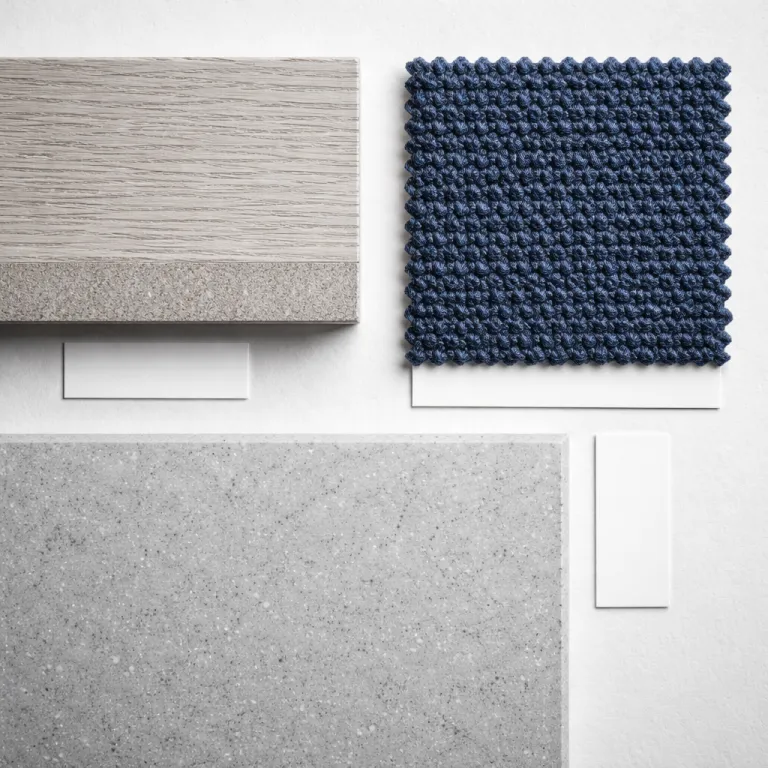
The specification line between warm minimalism and nostalgic pastiche
Warm minimalism in hotel materials is not a mood board, it is a discipline. When a hotel interior leans too hard on nostalgia, the minimalist space stops feeling warm and starts to read like a retro set, even if the design intent was contemporary. The key differences sit in the specification of furniture, finishes and lighting rather than in the render.
Warm minimalism integrates simplicity with warmth, so every minimalist design decision must be tested against operational reality and guest perception. In a luxury hotel this means that clean lines, a restrained colour palette and natural materials must still deliver durability, acoustic comfort and a sense of openness across public areas and rooms. Traditional minimalism often feels cold, while warm minimalist interiors use natural light, natural texture and high quality materials to create inviting and comfortable spaces that support rate premiums.
For architects and interior designers, the risk is that warm minimalism becomes shorthand for “mid century light wood and boucle furniture” and the hotel design drifts into pastiche. Asset managers and investisseurs should push design minimalist teams to justify each material choice in terms of lifecycle cost, FF&E refresh cycles and the way the interior styling will age in three, five and seven years. A design that looks simple on paper still needs robust materials, well detailed walls and carefully scaled pieces such as coffee tables to avoid the minimalist hotels trap of feeling under furnished rather than intentionally edited.
Guests now actively choose hotels with warm minimalist designs, because they seek natural materials and cozy yet simple aesthetics that feel both calm and current. This is where warm minimalism hotel materials become a strategic lever rather than a trend label, especially when 30 % of hotels adopting warm minimalism report increased guest satisfaction in recent design trends reporting. For general managers, the specification conversation must therefore connect interior design language with measurable KPIs such as RevPAR, maintenance cost per key and the ROI of investing in quality materials that patina rather than degrade.
Interior designers and hotel owners are aligning around this direction, with specialist équipes using design software, material samples and mood boards to test how minimalist interiors perform under real hospitality conditions. Partners such as furniture manufacturers, textile suppliers and lighting designers are now briefed not just on style but on how their pieces support warm minimalism without tipping into themed nostalgia. When you specify warm minimalism hotel materials with this level of clarity, you protect both the brand and the P&L from short lived aesthetics.
Timber and textiles: getting grain, boucle and curtains right for warm minimalist interiors
Timber is the backbone of many warm minimalist hotel materials strategies, yet it is also where projects most often slide into Edwardian or mid century pastiche. To keep the interior firmly in contemporary minimalist design, start with species selection, grain character and finish rather than with a generic “oak look” brief. Natural materials with a tight, calm grain and a matte or honed finish tend to support clean lines and a sense of openness, while heavy figuring and high gloss coatings pull the wall and furniture language back toward period style.
For public areas, specify certified timber species with full sourcing documentation, clear fire rating data and a sealing system that balances stain resistance with a natural texture under hand. In a luxury lobby, a warm minimalist interior might use rift cut oak wall cladding, a low sheen water based lacquer and integrated linear lighting to wash the grain with soft light rather than spotlighting it. This approach keeps the hotel design feeling warm and simple, while the high quality finish stands up to luggage impacts, housekeeping trolleys and the constant read of smartphone cameras.
Boucle has become the shorthand textile for minimalist interiors, but under hospitality wear cycles it is unforgiving when misused. On guestroom lounge chairs and coffee tables benches, boucle can work if the fabric is a contract grade with high Martindale ratings, stain treatment and a tight loop that resists snagging from luggage hardware. On banquettes in restaurants, bars or in bathrooms and kitchens transition zones, boucle often fails within six months as housekeeping spot cleaning flattens the pile and guests catch bags on the loops.
To avoid this, reserve boucle for removable cushions, accent pieces and low traffic seating where the tactile quality supports the warm minimalist narrative without becoming a maintenance liability. Pair it with other natural materials such as wool, linen blends and leather that share a similar colour palette but offer smoother surfaces for high contact areas. When you brief textile suppliers, be explicit that the goal is warm minimalism, not a retro lounge, and ask for both singular and plural options of each fabric family so that minimalist interior schemes can layer textures without repeating one hero fabric everywhere.
Window treatments are another critical interface between natural light, privacy and the warm minimalism hotel materials story. Heavy drapery can coexist with minimalist interiors if the heading, stacking and hardware are rigorously detailed, as explored in analyses of heavy velvet curtains as a strategic asset in hotel architecture and renovation. The operational brief should define blackout performance, cleaning cycles and how the curtain colour reads against timber, stone and wall finishes in both day and night lighting scenarios.
Stone and leather: honed surfaces, patina and the realities of public area wear
Stone is where many warm minimalism hotel materials schemes either achieve quiet luxury or fail into shiny lobby nostalgia. Honed stone surfaces generally support minimalist design better than polished ones, because they diffuse light, reduce glare and allow natural light to read softly across the floor and bar fronts. Polished stone can look impressive in renderings, yet in a real hotel interior it often amplifies reflections from lighting pieces and creates slip risk when combined with spilt drinks or tracked in rain.
From an acoustic perspective, honed stone paired with natural texture in rugs and upholstery helps control reverberation in minimalist hotels where walls and ceilings are often hard and clean. For bathrooms and kitchens in guest areas, a honed finish with a subtle anti slip treatment balances safety with the simple, monolithic style that warm minimalist guests expect. Maintenance teams will confirm that honed surfaces also hide micro scratching better than high gloss, which is critical in lift lobbies and reception zones where luggage wheels constantly cross the same paths.
When specifying stone, insist on quarry data, slip ratings, porosity information and clear guidance on sealing regimes, rather than relying on generic “hotel grade” claims. This is particularly important when the design minimalist concept relies on large format slabs that become the visual anchor of the space, such as a reception desk or a run of coffee tables in the lobby. Analyses of nebula stone aesthetics in contemporary hotel design show how subtle veining and a restrained colour palette can support warm minimalism without drifting into dramatic feature wall territory.
Leather in public areas is another material where warm minimalism can quickly become a nostalgic club lounge if the specification is not disciplined. For lobby seating and bar stools, two leather finishes consistently survive hospitality conditions ; semi aniline leathers with a robust protective topcoat, and high quality pigmented leathers with a fine grain emboss that still reads as natural. Three finishes rarely survive in these spaces ; untreated aniline leathers that stain and fade rapidly, heavily corrected leathers that crack at stress points, and suede or nubuck that absorbs every spill and body oil.
Asset managers should ask interior designers to map leather placement against traffic patterns, cleaning products and the expected patina narrative over five years. A warm minimalist interior styling strategy might use semi aniline leather on primary seating, a more robust pigmented leather on bar stools, and fabric on occasional pieces to balance cost and maintenance. This approach keeps the hotel space feeling warm and luxurious, while ensuring that materials age gracefully rather than looking tired, aligning with the growing preference for materials that patina and age well in contemporary hospitality design.
Lighting, colour and sample boards that earn sign off in one round
Lighting is the quiet enabler of warm minimalism hotel materials, because it determines how every surface, wall and piece of furniture is perceived. In minimalist interiors, the wrong colour temperature or glare level can make natural materials feel flat and cold, even when the palette on the sample board looked perfectly warm. A layered lighting strategy that combines concealed linear light, focused accent lighting and low level decorative pieces is essential to maintain both intimacy and a sense of openness.
For guest rooms, aim for a base layer of indirect lighting that washes walls and ceilings, allowing natural light to dominate during the day and warm artificial light to take over at night. Task lighting at the desk, bedside and in bathrooms and kitchens should be tightly controlled, with high quality optics and dimming that supports both work and relaxation without visual clutter. In public areas, integrate lighting into joinery, banquettes and coffee tables plinths so that the minimalist interior design remains visually calm while still meeting operational lux levels.
Colour in warm minimalist hotel materials should be treated as a system rather than as isolated paint choices. Start with the undertones of your primary natural materials ; timber, stone, leather and textiles, then select wall and ceiling colours that support these undertones instead of fighting them. A restrained palette of warm neutrals, soft earth tones and desaturated greens or blues can keep the style contemporary, while small shifts in saturation between singular and plural applications of a hue prevent the interior from feeling flat.
To earn sign off on sample boards in one round instead of three, present them as operational narratives rather than as aesthetic collages. Group materials by zone ; guest rooms, corridors, lobby, F&B, bathrooms and kitchens, and show how each material appears in both natural light and artificial lighting conditions. Include maintenance notes, slip ratings, fire classifications and supplier lead times directly on the board, so that directions techniques, asset managers and bureaux d’études can assess risk and feasibility alongside design intent.
Digital tools can support this process, but physical samples remain critical when evaluating warm minimalism hotel materials, because touch and texture drive guest perception of quality. Use mood boards to communicate the overall interior styling, then back them up with specification sheets that detail clean lines, edge profiles and junctions between materials. When everyone around the table can read the board as a complete story from concept to cleaning protocol, approvals accelerate and value engineering becomes a targeted exercise rather than a late stage panic.
From trend to asset: operationalising warm minimalism for ROI and guest satisfaction
Warm minimalism has moved from emerging trend to dominant vocabulary in global hotel design, but its value depends on how rigorously materials are specified and managed. A design style combining simplicity with warmth only becomes a business asset when it translates into higher guest satisfaction, longer dwell times and improved rate positioning. This is where general managers and asset managers must engage directly with interior design teams on the selection of warm minimalism hotel materials.
Data from recent hospitality design trend reporting indicates that hotels adopting warm minimalism often see measurable uplifts in guest comfort scores, because the spaces feel both calm and emotionally engaging. When natural materials, natural light and high quality finishes are combined with clean lines and a restrained palette, guests tend to stay longer in lobbies, bars and co working areas. This aligns with broader research on the biophilic dwell time premium, where carefully specified materials and views can justify higher F&B spend and room rates when executed with discipline.
To operationalise this, treat every material decision as a mini business case, not just a design preference. For example, choosing quality materials for lobby flooring and coffee tables that can be refinished rather than replaced may carry a higher initial cost but a lower lifecycle cost over ten years. Similarly, specifying warm minimalist lighting systems with modular components allows for easier maintenance and technology upgrades without disrupting the minimalist interior styling.
Training housekeeping and maintenance équipes is the final, often overlooked, layer of warm minimalism hotel materials strategy. Staff need clear protocols on cleaning products, stain response and minor repairs for timber, stone, leather and textiles, so that the warm minimalist style is preserved rather than slowly eroded by well intentioned but inappropriate interventions. When design teams hand over not just drawings but also material care manuals, the minimalist hotels they create are far more likely to retain their intended character.
Guests increasingly look for natural materials and cozy yet simple aesthetics, and they quickly sense when a hotel space has been value engineered into blandness. By aligning design minimalist ambitions with robust specification, clear documentation and operational training, hotels can maintain warm, luxurious interiors that age gracefully and avoid the trap of short lived retro pastiche. What is warm minimalism ? A design style combining simplicity with warmth ; and when handled with this level of care, it becomes a long term competitive advantage rather than a passing look.
FAQ
How does warm minimalism affect hotel ambiance and guest behaviour ?
Warm minimalism affects hotel ambiance by combining minimalist interiors with tactile, natural materials that feel inviting rather than austere. When guests experience natural light, warm colour palettes and comfortable furniture with clean lines, they tend to relax and stay longer in public spaces. This often translates into higher dwell times in lobbies and F&B areas, which can support increased ancillary revenue.
What is warm minimalism in hotel interior design ?
Warm minimalism in hotel interior design is a style that merges simple, uncluttered spaces with warm, tactile materials and a restrained palette. It uses natural materials such as timber, stone, wool and leather, combined with soft lighting and carefully scaled furniture pieces. The goal is to maintain the clarity of minimalist design while creating a sense of openness and emotional comfort for guests.
Why are natural materials important in warm minimalist hotels ?
Natural materials are important in warm minimalist hotels because they add depth, texture and authenticity to otherwise simple spaces. Timber, stone and natural textiles age and patina in ways that synthetic materials rarely match, supporting a long term luxury perception. They also help regulate acoustics and thermal comfort, which improves the overall interior experience.
Where should boucle and leather be used in a warm minimalist hotel ?
Boucle works best on low traffic seating, cushions and accent pieces where its texture can be appreciated without heavy wear. Leather is more suitable for high traffic seating in lobbies and bars, provided it is specified in robust finishes such as semi aniline or high quality pigmented leathers. Both materials should be placed with a clear understanding of cleaning protocols and expected patina over time.
What are the key differences between honed and polished stone in hotel applications ?
Honed stone has a matte surface that diffuses light, reduces glare and hides micro scratches, making it well suited to warm minimalist hotel materials strategies. Polished stone reflects more light, shows wear more quickly and can increase slip risk when wet, which is a concern in lobbies and bathrooms. For most minimalist hotels, honed finishes offer a better balance of aesthetics, safety and maintenance performance.