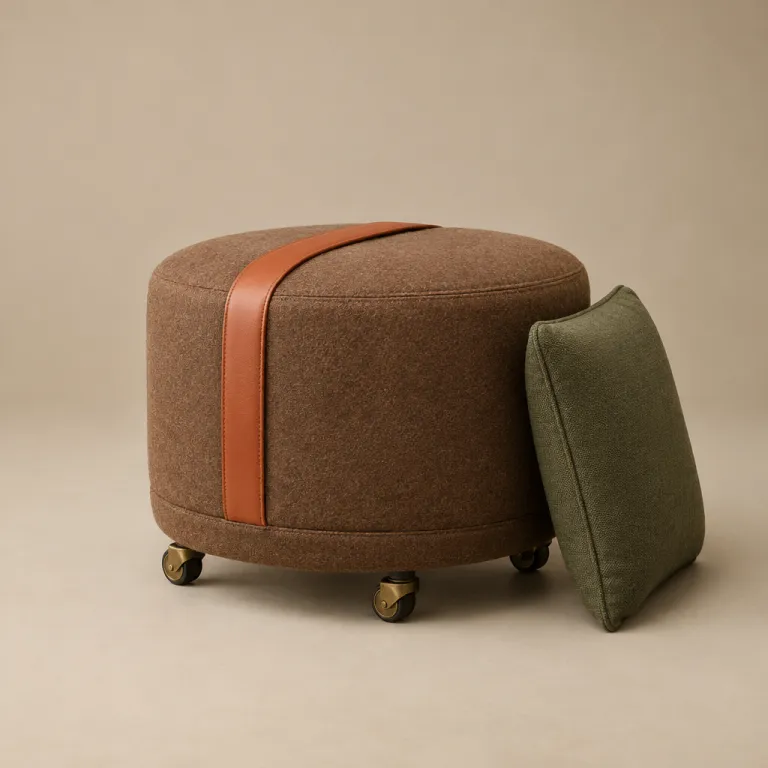
Ancillary furniture in hospitality workplaces: from décor to strategic tool
In contemporary hospitality spaces, ancillary furniture has shifted from decorative accessory to strategic workplace infrastructure. When architects and designers treat every ancillary table, bench, and chair as a performance tool, the workplace potential of lobbies, lounges, and corridors expands dramatically. This evolution affects how people work, how employees feel, and how investors read the asset value of hybrid hospitality spaces that now function as extended offices.
Why ancillary furniture is now strategic in hospitality space design
Ancillary furniture has moved from decorative afterthought to strategic asset in hospitality spaces. Instead of simply filling gaps, ancillary tables, lounge chairs, side chairs, and flexible benches are now specified as workplace tools that support real tasks. When designers approach ancillary spaces as extensions of the office, the collaboration dynamic in lobbies, lounges, and corridors becomes more intentional and productive.
In hotels and serviced apartments, ancillary spaces now operate as informal workplace ecosystems rather than static waiting areas. A single cluster of lounge chairs, side chairs, and coffee tables can support focused work, quick meetings, and relaxed socialisation, especially when office furniture logic is subtly integrated into hospitality seating alongside softer residential cues. Asset managers who once focused only on guest rooms now evaluate how ancillary furniture layouts drive collaboration, dwell time, and secondary revenue in bars, lobbies, and work cafés.
For directions techniques and bureaux d’études, the specification of ancillary furniture is no longer about filling leftover spaces; it is about orchestrating a collaboration dynamic across the entire property. Ancillary spaces become calibrated tools where people work, share ideas, and move fluidly between lounging and standing postures during the day. This is why brands such as west elm, which bridge residential warmth and contract performance, are increasingly present in hospitality spaces that double as spaces office hubs for local communities.
Designing ancillary spaces as high value workplace ecosystems
Design teams who treat ancillary spaces as serious workplace ecosystems start by mapping how people work hour by hour. They analyse where employees and guests naturally pause, where they share information, and where informal collaboration already happens without any formal office furniture in place. From there, they position ancillary furniture to support these behaviours with precise seating, tables, and lighting rather than generic decorative products.
In a lobby that functions as a workplace, for example, areas designed with mixed-height tables and coffee groupings allow people to shift from quick laptop work to short stand-up meetings. Low coffee tables paired with lounge chairs support relaxed one-to-one conversations, while higher tables and modular benches enable more structured work sessions for small équipes. When ancillary furniture is zoned carefully, the same square metres can host breakfast service, remote work, and evening cocktails without any operational friction for employees.
Investors increasingly ask how ancillary spaces contribute to revenue per square metre and to perceived asset quality. A lobby with well planned ancillary furniture can host co working memberships, paid meeting pods, and branded work cafés that attract local people, not only overnight guests. In parallel, lighting strategies and statement pieces such as sculptural chandeliers can reinforce this positioning; for a deeper view on how feature lighting elevates asset value, many hospitality asset managers now refer to analyses such as how a high value chandelier reshapes hospitality interiors and asset value.
From lobby to patios work : typologies of ancillary furniture in hospitality
Ancillary furniture in hospitality spaces now spans a wide spectrum of typologies, from indoor work cafés to outdoor patios work zones. In interior public areas, designers combine lounge chairs, side chairs, and compact sofas to create micro environments that feel distinct yet coherent within the overall space design. Each ancillary table, from compact side tables to generous communal tables, is chosen to support a specific pattern of use rather than to simply fill a gap.
On terraces and patios work areas, ancillary furniture must balance durability, comfort, and acoustic control, especially when people work outdoors for long periods. Flexible seating side solutions, such as modular sofas with integrated power, allow employees and guests to reconfigure spaces people can share for workshops, informal meetings, or quiet solo work. When these ancillary spaces are shaded, well lit, and acoustically buffered, they become premium work destinations that extend the perceived footprint of the office and the hotel.
Within guest room corridors and lift lobbies, small ancillary furniture clusters can transform dead zones into productive pockets. A pair of lounge chairs with a shared table and discreet task lighting can host a quick call or a short email session, while a narrow console table with stools can support standing work for people who prefer lounging standing alternation. Designers who study historical precedents, such as the integrated approach to textiles and furniture in Frank Lloyd Wright projects, often draw inspiration from resources like how Frank Lloyd Wright rug design elevates hotel furniture and lighting strategies to align ancillary furniture, carpets, and lighting into one coherent narrative.
Ergonomics, wellbeing, and the feel of ancillary furniture
For hospitality designers, the feel of ancillary furniture is as critical as its visual language. People immediately sense whether lounge chairs, side chairs, and sofas invite lingering work or merely short waiting, and this perception shapes how long they stay in ancillary spaces. When ancillary furniture supports multiple postures, from lounging standing alternation to upright focus, it quietly improves wellbeing and productivity for both guests and employees.
Ergonomic office furniture principles now inform the specification of hospitality seating, especially in hybrid workplace lobbies and work cafés. Seat heights, table clearances, and armrest geometries are calibrated so that people work comfortably on laptops while still enjoying the softness expected in hospitality spaces. Designers who align ancillary furniture ergonomics with acoustic treatments and biophilic elements create areas designed to reduce stress, which in turn supports better collaboration and higher perceived service quality.
Materiality also plays a decisive role in how ancillary furniture performs over time. High performance fabrics, rounded edges, and tactile finishes help ancillary tables coffee groupings feel approachable while resisting intensive use in spaces office environments. When west elm or similar brands adapt residential silhouettes to contract grade products, they enable designers to specify ancillary furniture that looks relaxed yet meets the technical requirements of directions techniques and asset managers focused on lifecycle cost.
Programming ancillary spaces for collaboration and revenue
Effective programming of ancillary spaces begins with a clear understanding of how people work and share information across a hospitality asset. Architects and bureaux d’études map flows between reception, F&B, meeting rooms, and back of house to identify where ancillary furniture can unlock new collaboration dynamic patterns. They then assign each ancillary zone a primary function, such as quick coffee meetings, focused solo work, or informal team sessions, and specify furniture accordingly.
In a large lobby, for example, one cluster of coffee tables and lounge chairs might be programmed for relaxed social use, while another cluster of higher tables coffee and side chairs is tuned for laptop work and short meetings. A third zone with sofas and integrated power can support small project teams, allowing employees and guests to share documents and ideas without booking a formal meeting room. When these ancillary spaces are clearly legible yet visually cohesive, people intuitively select the right area for their task, which increases both satisfaction and secondary spend.
Revenue strategies increasingly rely on ancillary furniture to support new offers such as paid co working passes, branded work cafés, and semi private collaboration pods. Asset managers evaluate how office furniture grade ancillary products extend the usable workplace footprint beyond traditional meeting rooms, especially in urban hotels where every square metre matters. For a broader perspective on aligning ancillary furniture with high performance commercial interiors, many professionals refer to resources such as designing high performance commercial interiors for hospitality assets, which frame ancillary spaces as core business tools rather than decorative extras.
Specifying ancillary furniture : from brand standards to long term value
Specifying ancillary furniture for hospitality spaces requires balancing brand standards, operational needs, and long term asset value. Architects and designers must align the visual language of lounge chairs, side chairs, and coffee tables with the brand narrative while ensuring that office furniture level performance is achieved in high traffic areas. Directions techniques focus on durability, cleanability, and maintainability, while investors look at lifecycle cost and flexibility for future repositioning.
In practice, this means selecting ancillary furniture families that can scale across multiple areas designed for different intensities of use. A single west elm inspired collection, for example, might appear as generous lounge seating in the lobby, more compact seating side solutions in corridors, and robust sofas in work cafés and patios work zones. By standardising on a coherent palette of ancillary products, asset managers simplify maintenance and replacement while preserving a consistent feel across all spaces people encounter.
Technical documentation is essential when ancillary furniture supports workplace functions. Bureaux d’études require verified data on fire ratings, structural performance, and ergonomic dimensions, especially when tables coffee groupings and high tables are used as de facto workstations. When people work daily in these ancillary spaces, the line between hospitality furniture and office furniture disappears, and only rigorously specified ancillary furniture can sustain the collaboration dynamic that modern hospitality assets now promise.
Key statistics on ancillary furniture in hospitality workplaces
- According to JLL’s 2022 report on hybrid hospitality and flexible workspaces, flexible workplace oriented ancillary spaces can increase lobby dwell time by 20 to 30 percent, which directly supports higher F&B revenue per guest.
- Research from Steelcase on people work patterns, including the 2021 “Global Report: Changing Expectations and the Future of Work”, shows that more than 50 percent of knowledge workers now spend at least one day per week working outside a traditional office, making well designed ancillary furniture in hotels and cafés a critical part of the extended workplace ecosystem.
- A CBRE study on office furniture and space utilisation, such as the “Global Occupier Sentiment Survey 2021”, found that multi purpose collaboration areas, often furnished with lounge chairs, benches, and adaptable tables, achieve utilisation rates up to 1.5 times higher than traditional meeting rooms of similar size.
- Data from the International WELL Building Institute, referenced in the WELL Building Standard v2, indicates that environments with varied seating postures and access to natural light can reduce self reported stress levels by up to 30 percent, underlining the importance of ergonomic ancillary furniture in hospitality spaces used for work.
FAQ about ancillary furniture in hospitality workplaces
How is ancillary furniture different from standard hotel furniture ?
Ancillary furniture refers to the flexible, often movable pieces that support informal work, socialising, and short term activities, rather than core items like beds or fixed banquettes. In hospitality spaces, this includes lounge chairs, side chairs, coffee tables, and sofas that can be reconfigured as needs change. Standard hotel furniture tends to be more fixed and function specific, while ancillary furniture is designed for adaptability and multiple use cases.
Why should asset managers care about ancillary spaces for workplace use ?
Asset managers focus on ancillary spaces because they can significantly increase revenue per square metre and perceived asset quality. When lobbies, corridors, and patios work zones are furnished with well planned ancillary furniture, they can host co working offers, informal meetings, and extended F&B use throughout the day. This flexibility improves both guest satisfaction and the long term resilience of the asset in changing market conditions.
What types of ancillary furniture work best for hybrid hospitality workplaces ?
Hybrid hospitality workplaces benefit from a mix of lounge chairs, side chairs, sofas, and varied height tables that support both focused work and collaboration. Pieces that integrate power, offer good ergonomics, and can be easily moved are particularly valuable in ancillary spaces that change function across the day. Designers often combine hospitality style finishes with office furniture performance standards to ensure comfort and durability.
How can designers balance aesthetics and durability in ancillary furniture ?
Designers balance aesthetics and durability by selecting contract grade fabrics, robust frames, and finishes that align with the brand while meeting technical requirements. Many hospitality projects use collections from brands that bridge residential and commercial design, such as west elm contract lines, to achieve a warm feel with professional performance. Clear maintenance strategies and replaceable components also help ancillary furniture retain its appearance over time.
What role does ancillary furniture play in employee experience in hotels ?
For hotel employees, ancillary furniture shapes where and how they can take breaks, hold quick stand up meetings, or complete administrative work outside back of house offices. Well designed ancillary spaces with comfortable seating side options and practical tables support better collaboration between departments and reduce stress during busy shifts. This improved employee experience often translates into better guest service and stronger overall performance for the property.
Across all these examples, ancillary furniture emerges as a strategic layer of workplace infrastructure inside hospitality spaces. When designers specify adaptable products, programme ancillary zones carefully, and apply ergonomic principles, they create spaces people use intensively throughout the day. The result is a more resilient asset where guests, employees, and local communities share spaces office style environments that feel welcoming, productive, and commercially effective.