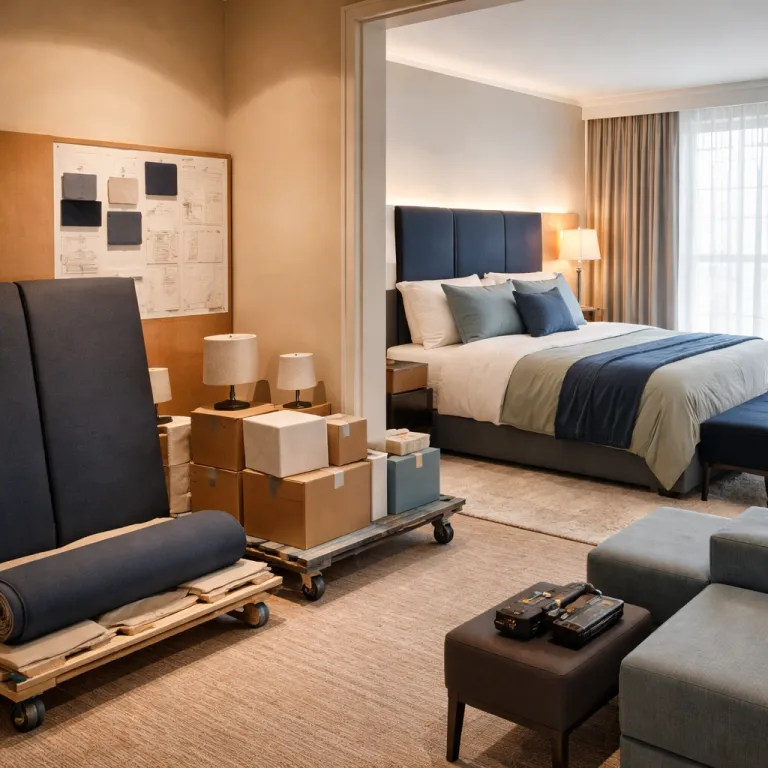
Aligning ffe installation with hotel investment and design intent
In hospitality, a strategic approach to ffe installation can protect both design intent and asset value. When an interior designer defines the narrative of a hotel project, every ff&e item and each piece of furniture equipment must support that story. The installation process therefore becomes a critical design phase rather than a simple technical step.
Owners and asset managers increasingly view ffe installations as a lever for long term performance, not just a capital expenditure. A well planned installation of furniture fixtures, decorative items, and operational equipment can reduce disruption, accelerate opening, and enhance customer satisfaction. This is especially true in complex building conversions where construction tolerances, existing structures, and phased handovers complicate every decision.
From the earliest feasibility stage, project management teams should map the future installation services alongside design development. That means aligning ff&e hospitality specifications, hotel furniture lead times, and logistics constraints with the global hotel project schedule. When ff&e and ffe packages are coordinated with shell and core works, the team can avoid late redesigns, rushed installations, and costly rework.
Specialist partners such as Atlas Installation Inc. and Relo Solutions Group illustrate how a dedicated ff&e installer can de risk complex ffe installation programmes. Their services typically extend from pre delivery storage strategies to on site installation of fixtures equipment and final post installation adjustments. For investors and directions techniques, engaging this expertise early in the project lifecycle is now a mark of mature hospitality ff&e governance.
Design led logistics: orchestrating furniture, fixtures and equipment on site
Once design is frozen, the choreography of ffe installation on site becomes a decisive factor in project success. A structured installation process for ff&e items, technical fixtures, and back of house equipment can reduce programme risk by weeks. For a hotel opening, that time gain directly influences revenue, customer satisfaction, and investor confidence.
Effective project management starts with a room by room matrix of all items, from loose furniture to built in fixtures equipment and specialist furniture equipment. The team then sequences installations to respect construction milestones, testing, and commissioning. In a typical hotel project, installation services for hotel furniture and decorative ff&e follow after wet trades but before final cleaning and soft opening.
Dedicated ff&e installer partners coordinate logistics, storage, and on site moving to minimise damage and double handling. For large scale hotel ff&e programmes, they may establish off site storage hubs to pre assemble furniture fixtures and test complex equipment. This approach is particularly valuable in urban building sites with constrained access and limited laydown areas.
For design and asset teams, case studies of complex hospitality redevelopment show how fragile the balance between design ambition and practical ffe installation can be. In-depth analyses of architecture, design and FF&E challenges in hospitality redevelopment highlight the importance of early installation planning. When ff&e hospitality packages, installation services, and hotel furniture deliveries are aligned, the project can maintain both aesthetic integrity and operational readiness.
From warehouse to guestroom: controlling risk in ffe installations
The journey from factory to guestroom is where many ffe installations succeed or fail. Every ff&e item, from casegoods to lighting fixtures and technical equipment, passes through multiple hands before final installation. Without disciplined logistics, storage, and moving protocols, even the best specified furniture and furniture equipment can arrive damaged or incomplete.
Specialist ff&e installer partners structure this journey as a controlled process rather than a series of ad hoc deliveries. They define labelling standards for all items, optimise storage layouts, and plan installations floor by floor to match construction readiness. In complex building conversions, this integration of installation services with base build works is essential to protect both schedule and budget.
For adaptive reuse projects, where existing structures and heritage constraints complicate ffe installation, the stakes are even higher. Detailed case studies of adaptive reuse and design innovation in historic hospitality show how hotel ff&e strategies must adapt to irregular grids and non standard floorplates. Here, the team often relies on mock up installations to validate furniture fixtures, fixtures equipment, and bespoke items before full rollout.
Throughout this journey, the installation process must remain aligned with the expectations of the interior designer, operator, and investor. Clear responsibilities for post installation snagging, adjustments to equipment, and replacement of defective ff&e protect customer satisfaction at opening. When hospitality ff&e is treated as a continuous value chain from procurement to post installation, the hotel benefits from consistent quality and reduced lifecycle risk.
Cost, value and the economics of hotel ff&e installation
For asset managers and investors, the economics of ffe installation are as important as the aesthetics. Industry benchmarks indicate that the FFE installation cost percentage can represent a significant share of the overall hotel project budget. However, structured planning of installation services, logistics, and storage can generate measurable savings without compromising design quality.
When ff&e hospitality packages are rationalised early, the team can reduce the number of unique items and simplify installations. This optimisation affects not only furniture and decorative fixtures, but also technical equipment and back of house furniture equipment. In parallel, detailed project management of installation phasing can limit double handling, protect hotel furniture from damage, and reduce on site moving costs.
Specialist ff&e installer partners such as Atlas Installation Inc. and Relo Solutions Group emphasise that “What does FFE stand for? Furniture, Fixtures, and Equipment. Why is FFE important? It enhances functionality, aesthetics, and safety compliance. What are common challenges in FFE installation? Logistics coordination, budget management, and timeline adherence.” Their experience shows that early integration of ffe installation into the master programme can mitigate these risks. For owners, this translates into better control of ffe installations and more reliable long term asset performance.
From an operational perspective, the quality of hotel ff&e and the precision of installations directly influence maintenance costs and customer satisfaction. Poorly coordinated installation of furniture fixtures or misaligned fixtures equipment can generate recurring issues for engineering teams. Conversely, a disciplined installation process that respects manufacturer guidelines supports hospitality ff&e durability and protects the guest experience.
Integrating ffe installation with construction and renovation strategies
In major renovations and repositioning projects, the interface between construction and ffe installation is often where delays accumulate. Directions techniques and bureaux d’études must therefore treat ff&e and ffe packages as integral components of the building strategy. When installation services are planned in isolation, clashes with MEP systems, finishes, and fire safety requirements quickly emerge.
Best practice is to embed ff&e installer expertise into design coordination meetings from early stages. This allows the team to validate fixing methods for heavy furniture fixtures, clearances for fixtures equipment, and access for future maintenance. In complex hotel refurbishments, such integration ensures that ffe installations respect both heritage constraints and contemporary operational standards.
For architects and interior designer teams, the alignment of ffe installation with broader hotel project strategies is now part of a wider industry shift. Analyses of how hotel industry news reshapes architecture, design and renovation strategies show that hospitality ff&e decisions increasingly respond to evolving guest expectations. This affects not only the selection of ff&e items and hotel furniture, but also the way installations are phased to keep properties trading during works.
In phased renovations, logistics, storage, and on site moving must be orchestrated to protect guests from noise and disruption. The installation process may involve night shifts, micro phasing of items, and rapid post installation handovers to housekeeping. When installation planning is fully integrated with construction sequencing, the hotel can maintain revenue while upgrading its ff&e hospitality offer.
Post installation performance, guest experience and long term asset value
The story of ffe installation does not end at handover; it continues into operations and asset management. A structured post installation review of ff&e items, furniture fixtures, and technical equipment provides essential feedback to design and investment teams. This feedback loop helps refine future ffe installations and supports more accurate budgeting for subsequent cycles.
For operators, the way hotel furniture and fixtures equipment perform under real conditions directly affects customer satisfaction. Poor ergonomics, fragile items, or difficult to maintain furniture equipment quickly translate into guest complaints and higher maintenance costs. Conversely, when the installation process has respected both design intent and operational input, hospitality ff&e becomes a silent contributor to guest comfort.
Asset managers increasingly track the long term performance of hotel ff&e to inform future project decisions. They evaluate how different installation services, ff&e installer approaches, and logistics strategies influence lifecycle costs and downtime. This data driven view of ffe installation encourages closer collaboration between investors, designers, and technical team members.
Ultimately, the quality of installations across the building shapes both brand perception and asset resilience. When ff&e and ffe programmes are managed as strategic investments rather than isolated purchases, the hotel project gains a durable competitive edge. For the hospitality sector, elevating ffe installation to this level of strategic importance is no longer optional; it is a prerequisite for sustainable value creation.
Key statistics on ffe installation in hospitality
- FFE installation cost percentage can represent around 15 % of a typical hotel project budget, depending on scope and specification.
- Careful planning and coordination of installation logistics can reduce overall FF&E related costs by approximately 12 %.
Essential questions about ffe installation in hotels
What does FFE stand for in hotel projects ?
FFE stands for Furniture, Fixtures, and Equipment, covering all movable furniture, decorative fixtures, and operational equipment that complete a hotel interior. In a hospitality context, FFE includes both guest facing elements and back of house items. It is a core component of any hotel project budget and design strategy.
Why is FFE important for hospitality assets ?
FFE is important because it directly shapes functionality, aesthetics, and safety compliance in hotels. Well specified and correctly installed FFE supports efficient operations and a coherent guest experience. It also protects brand standards and contributes to the long term value of the asset.
What are common challenges in FFE installation for hotels ?
Common challenges in FFE installation include complex logistics coordination between suppliers, contractors, and operators. Budget management is another pressure point, especially when late design changes affect furniture or equipment packages. Timeline adherence is critical, as delays in installation can postpone opening dates and impact revenue.
How should hotel teams plan the installation process ?
Hotel teams should plan the installation process from the earliest project stages, aligning it with construction milestones and procurement schedules. This involves detailed room by room matrices, clear responsibilities for each installer, and robust site readiness checks. Early engagement of specialist FF&E installation partners helps secure realistic timelines and cost control.
What is the role of post installation reviews in hospitality FF&E ?
Post installation reviews allow hotel owners and operators to assess how furniture, fixtures, and equipment perform in real use. These reviews identify defects, ergonomic issues, and maintenance challenges that may not appear during commissioning. The insights then inform future specifications, installation strategies, and capital planning cycles.